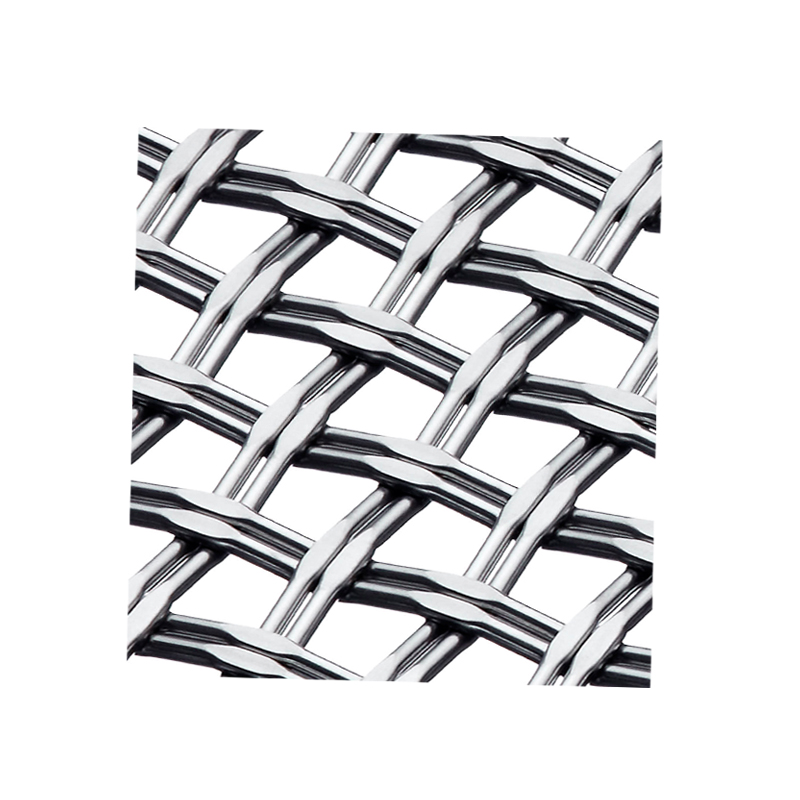
Metal decorative art is typically integrated into the overall design of a building and its environment. While it possesses its own unique properties and operational principles, its implementation requires a comprehensive, holistic approach to design. The principles and rationale governing such design can be categorized as follows:
First, it must be organically and cohesively integrated into the overall concept of the building and its environment. Its unique qualities should be expressed without compromising the integrity of the broader environmental design.
Second, the choice of metal materials must align with the specific functions and the intended status of the building or environment. For instance, the extensive use of stainless steel columns or aluminum alloy panels in settings such as schools, hospitals, or residential areas would clearly be inappropriate. While metal decorative art leverages science and technology to showcase technical and craft-based aesthetics, its expressive range is somewhat limited; it often struggles to evoke a sense of warmth or intimacy.
Third, it must respect the lifestyles and cultural traditions of a given society or ethnic group. Because architectural and environmental art often carries a distinct local character, the use of metal—when replacing traditional local materials—requires careful consideration of expressive techniques to ensure it harmonizes effectively with local features. Generally speaking, metal art is a product of modern society; previously, its expressive potential was constrained by limitations in technology and productive capacity. While it can be employed boldly in modern architecture, it should be used with caution in traditional architectural contexts.
Fourth, the psychological needs of those who use the space must be taken into account. Through decorative art, a wealth of graphic elements, text, light, color, and imagery is presented to the users; therefore, one must be mindful of the relationship between these visual elements and human psychological responses. Designers should convey their intent through subtle, nuanced approaches rather than relying on an excessive or forced use of symbolism, which can often prove counterproductive.
Fifth, the relationship between metal decorative art and technology must be handled appropriately. Technology serves as both the means and the foundation for realizing artistic concepts; advanced craftsmanship and technical processes allow for the full exploitation of a material’s properties, thereby maximizing its utility and value.