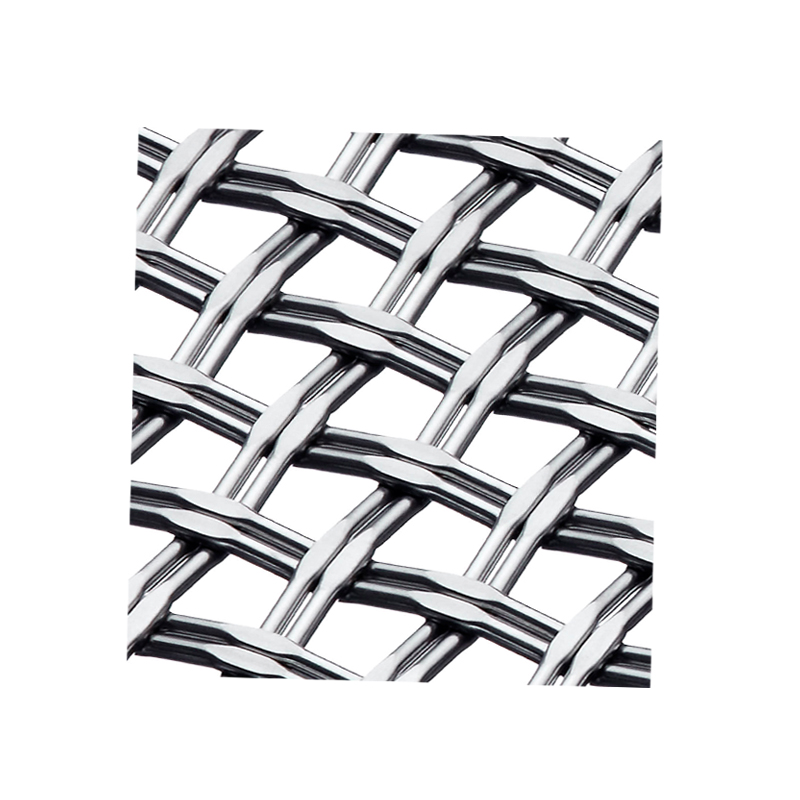
The rust-resistance lifespan of plastic-coated expanded metal fencing is determined by three key factors: the base anti-corrosion process, the thickness of the steel sheet, and the operating environment. There is a vast difference in performance between simple plastic coating and the dual-layer process combining hot-dip galvanizing with plastic coating, resulting in significantly different service lives depending on the application scenario.
Simple expanded metal fences featuring only a single external plastic coating—lacking a galvanized base layer—expose the bare steel directly to the plastic. Prolonged exposure to sun and rain, combined with potential impact damage to the plastic layer, leads to rapid oxidation and rusting of the steel. In dry, inland industrial areas, rust spots typically appear within 3–5 years; in regions with high rainfall or heavy dust, corrosion spreads within 2–3 years. Such fences are suitable only for temporary indoor partitioning and are not recommended for long-term outdoor perimeter use.
Standard industrial-grade fences utilize a dual anti-corrosion system—hot-dip galvanizing followed by plastic coating—which is the standard configuration for airports, industrial complexes, and detention centers. The steel sheet undergoes high-temperature hot-dip galvanizing to form a dense anti-rust layer, followed by the application of a high-temperature polyethylene plastic coating, providing a double barrier against moisture, acids, and alkalis. In dry inland environments or standard industrial perimeters, and barring severe impacts, these fences remain free of widespread rust for 8–12 years; minor scratches result only in localized spots that do not spread rapidly.
In highly corrosive environments such as coastal areas or chemical industrial parks, airborne salt spray and corrosive gases accelerate the aging of the plastic coating. Dual-layer anti-corrosion fences typically remain rust-free for 5–8 years; however, increasing the thickness of the galvanized and plastic layers can extend the service life to approximately 10 years. Rough handling during transport or installation that causes large-scale detachment of the plastic coating exposes the steel to rapid rusting; proper protective measures during construction can significantly extend the fence's lifespan.
Additionally, the thickness of the steel sheet affects rust resistance and durability. Thinner 2mm sheets are more prone to deformation and tearing of the plastic coating, whereas thicker 3mm expanded metal offers superior impact resistance and is less likely to crack the plastic coating, thereby extending the rust-free lifespan by 2–3 years. Simple routine maintenance—such as cleaning surface dirt annually and promptly repairing damaged areas of the plastic coating—can extend the service life by another 3 years. A comprehensive comparison shows that for long-term outdoor security projects, it is essential to choose a dual-layer finish combining galvanization and plastic coating; low-cost options with only a single layer of plastic coating are prone to rusting quickly, leading to higher costs for refurbishment or replacement down the line.