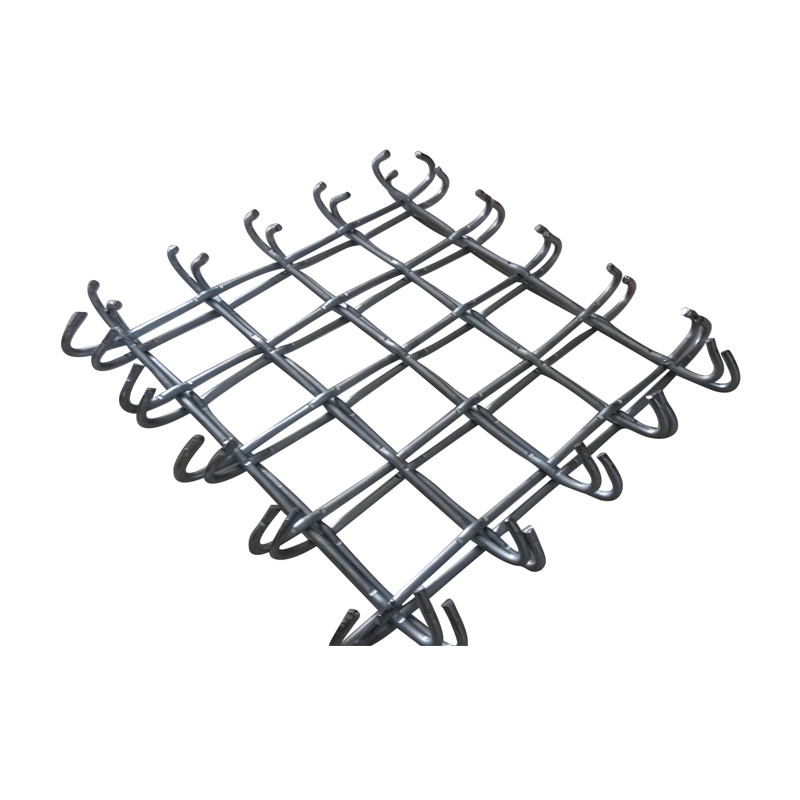
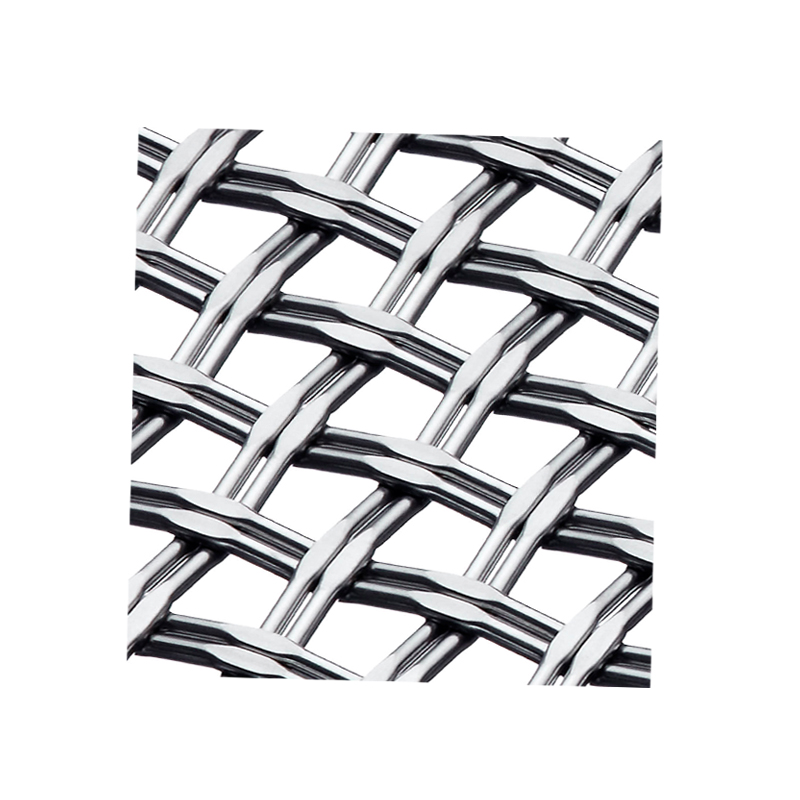
Cattle fences are widely used in pastures, farms, grasslands, and livestock farming areas due to their durability, ease of installation, and cost-effectiveness. However, even with high-quality cattle fence products, improper installation can lead to loosening, deformation, and even a shortened lifespan. So, how much do you really know about installing cattle fences?
## Pre-Installation Preparations
Before officially installing cattle fences, thorough planning and preparation are essential.
First, determine the installation route based on the fence's intended use and clear weeds, stones, and other obstacles along the route. For undulating terrain, the fence's direction needs to be planned in advance to ensure the installed mesh adheres tightly to the ground.
Simultaneously, prepare the necessary installation tools, such as:
* Fence tensioner
* Wire strainer
* Pliers and wrenches
* Pile drivers
* Measuring tools
Adequate preparation significantly improves installation efficiency and reduces subsequent adjustments.
## Choosing the Right Fence Posts
Posts are a crucial supporting structure for the entire fence system, and their quality and installation method directly affect the stability of the cattle fence.
Common post types include:
* T-Post (T-shaped fence post)
* Y-Post (Star-shaped fence post)
* Wooden Post
* Steel Pipe Post
Generally, corners and the ends of the fence require stronger end posts or wooden posts for reinforcement to withstand the tension after the cattle fence is tensioned.
## How to Determine Post Spacing?
A reasonable post spacing ensures both stability and economy of the fence.
General Recommendations:
* Flat terrain: 3-5 meters
* Irregular terrain: 2.5-4 meters
* Large livestock areas: Shorten the spacing appropriately
If the post spacing is too large, the mesh is prone to sagging; if the spacing is too small, it will increase material and labor costs.
## Properly Tensioning the Cattle Fence
The most critical step in the installation of the cattle fence is tensioning it.
During installation, the wire mesh roll should be secured to the starting post, and then the mesh surface should be gradually stretched using professional tensioning tools.
Important notes:
* Insufficient tension will cause the fence to sag;
* Excessive tension may cause wire deformation or damage to the joints.
Ideally, the mesh surface should remain flat, taut, and have a certain degree of elasticity.
## Corner and Slope Installation Techniques
At corner locations, it is recommended to add reinforcing support structures, such as diagonal braces or a double-post design, to distribute the fence tension.
For slope installation, the following methods can be used:
* Installation along the slope
* Stepped installation
* Terrain-following installation
Choosing the appropriate solution based on the actual terrain ensures an aesthetically pleasing fence while effectively preventing livestock from escaping.
## Securing the Cattle Fence Mesh to the Posts
After the mesh surface is tensioned, it needs to be securely fixed to the posts.
Common fixing methods include:
* Fence Clips
* Tie Wire
* Staples
* Dedicated Clips
Fixing points should be evenly distributed to avoid excessive local stress.
## Post-Installation Inspection
After fence installation, a comprehensive inspection is recommended:
✓ Is the mesh surface flat?
✓ Are the joints intact?
✓ Are the posts vertical and stable?
✓ Are the fasteners secure?
✓ Are there excessively large gaps at the bottom of the fence?
Timely detection and adjustment of problems can avoid increased maintenance costs later.
## Common Installation Errors
In actual projects, the following problems are common:
### Posts buried too shallowly
This can easily lead to fence tilting or collapse.
### Insufficient mesh tension
This can easily deform after livestock collisions.
### Lack of corner reinforcement
This may lead to structural instability under long-term stress.
### Excessive Ground Gaps
Small livestock can easily escape the fence.
Avoiding these mistakes can significantly improve the stability and lifespan of the fence.
## Why is Professional Installation So Important?
High-quality cattle fencing typically lasts 15 to 30 years or more, provided the correct installation method is used.
Scientific installation not only:
* Increases fence strength
* Enhances security
* Reduces maintenance costs
* Extends product lifespan
It also fully utilizes the performance advantages of the cattle fencing, providing long-term reliable protection for pastures and farms.
## Conclusion
Cattle fencing may seem simple, but the installation process involves multiple aspects, including post layout, tension control, fixing methods, and terrain adaptation. Only by choosing high-quality products and using the correct installation methods can the long-term stable operation of the fence be ensured.
If you are planning a pasture fencing project, it is recommended to select the appropriate cattle fencing specifications based on the actual terrain, livestock type, and usage needs, and seek professional installation advice to achieve the best results.