In the fields of architecture and landscape design, both metal fencing and metal fences are common security facilities. While they may appear similar, they differ in purpose, structure, materials, and installation methods. Understanding these differences helps us choose the right product to achieve the desired protective effect.
**Purpose Differences:** Metal fencing is primarily used for isolation and protection in public places such as roads, bridges, stadiums, and airports. It effectively prevents pedestrians and vehicles from entering dangerous areas while providing good visual appeal. Metal fences, on the other hand, are more often used for boundary demarcation and security in private areas such as residences, factories, and schools. They ensure privacy and safety while also serving a decorative purpose.
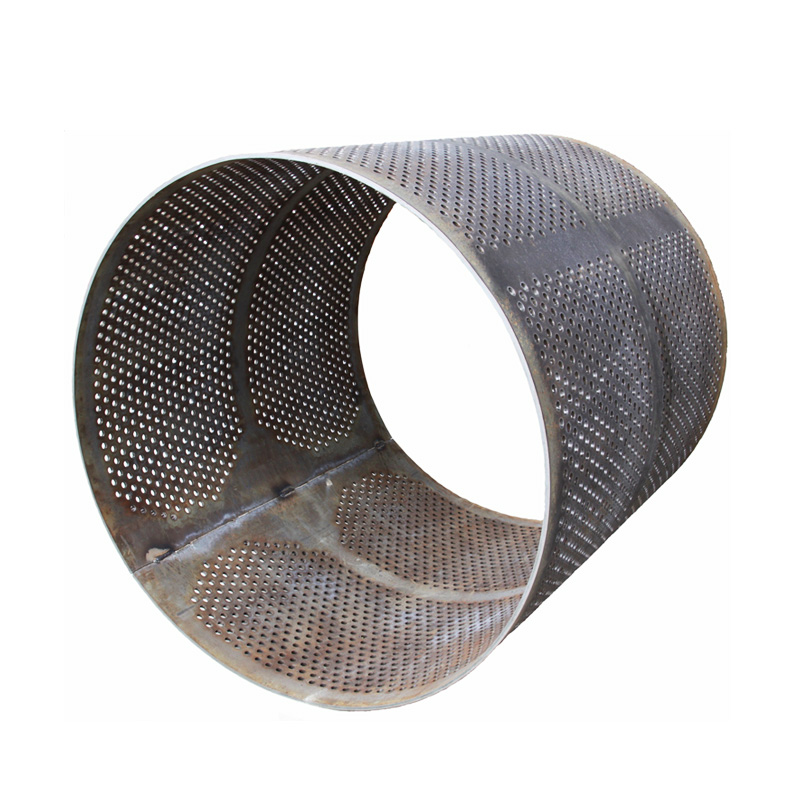
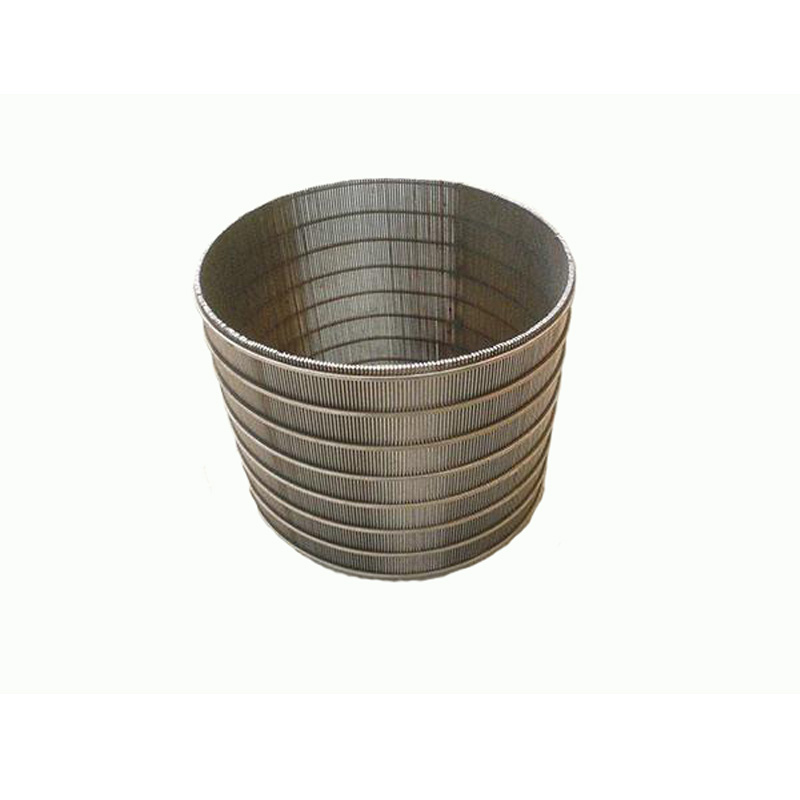
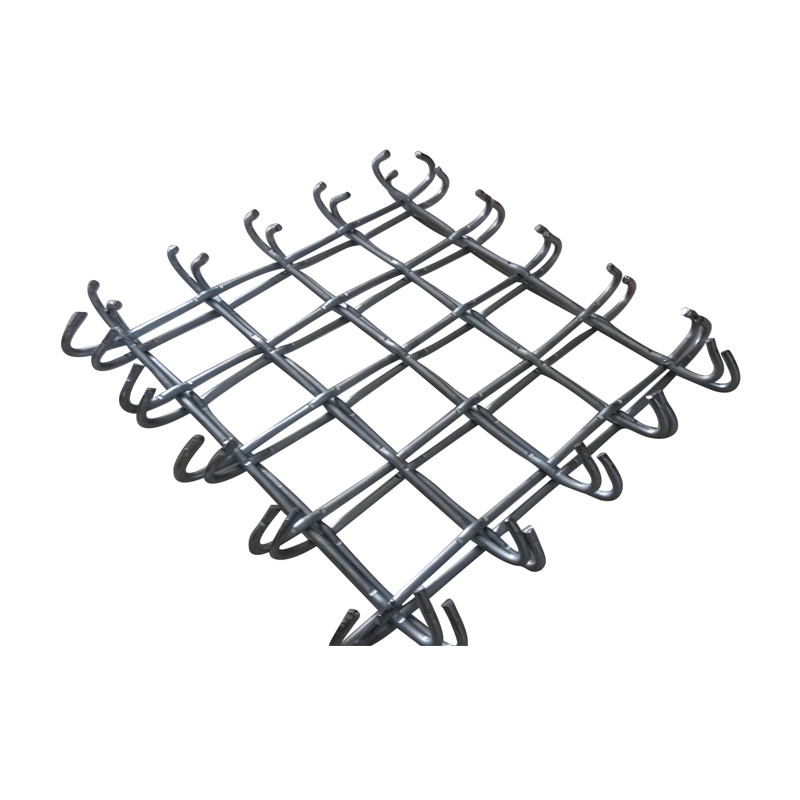
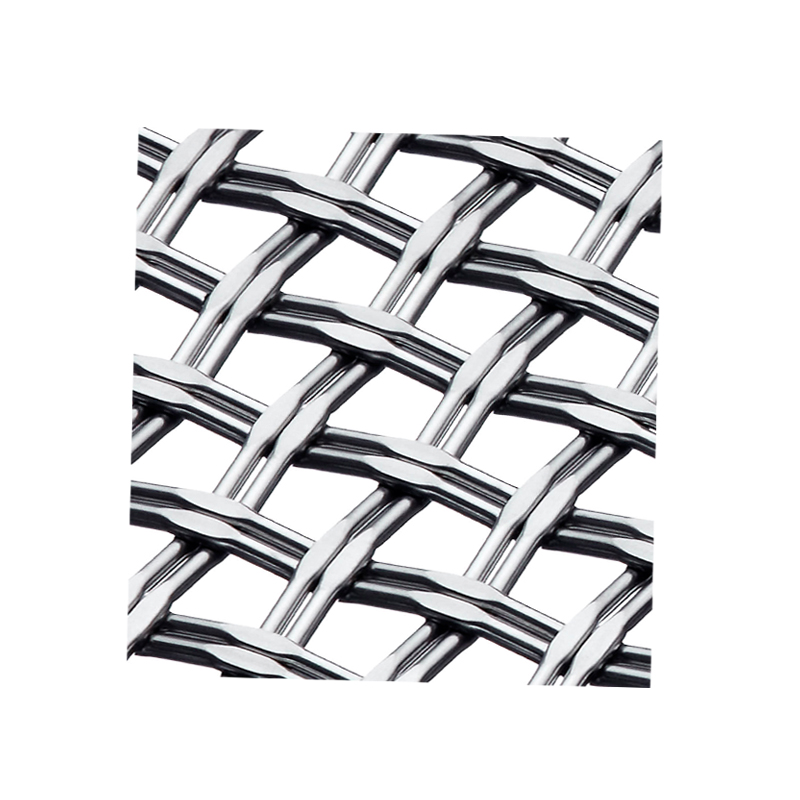
**Structural Differences:** Metal fencing is woven from metal wire, featuring large mesh openings and high permeability. This design allows for isolation without completely obstructing the view, facilitating observation and monitoring. Metal fences, typically composed of continuous metal strips or plates, offer stronger enclosure and effectively prevent climbing and crossing.
**Material Selection:** Metal fencing and metal fences also differ in their materials. Mesh fencing commonly uses low-carbon steel wire and stainless steel wire, which have good toughness and corrosion resistance, making them suitable for outdoor environments. Metal fences, on the other hand, often use stainless steel and aluminum alloys, which are not only strong but also aesthetically pleasing and durable, making them suitable as decorative fencing for residential and commercial buildings.
Installation Methods: Mesh fencing is relatively simple to install, typically using brackets to fix the mesh panels to the ground or wall. This method facilitates quick construction and maintenance. Metal fences, however, are more complex to install, requiring fence posts to be fixed to the ground, and then the fence panels or strips to the posts. While this method is more stable, it has a longer construction period.
Maintenance and Costs: Due to its open structure, mesh fencing is relatively easy to maintain, and cleaning and inspection are also convenient. In terms of cost, mesh fencing consumes less material, resulting in a relatively lower price. Metal fences require more materials and labor, are more complex to maintain, and have a relatively higher cost.
Through the above comparison, we can see that metal fences and metal railings each have their own characteristics in terms of use, structure, materials, and installation methods. Choosing the right product depends on the specific usage environment and security requirements. Metal fences are more suitable for public places that require transparency and visibility, while metal railings are more suitable for private areas that require privacy and decorative effects. Material selection should also be based on environmental conditions and budget. Whether it's a metal fence or a metal railing, proper selection and reasonable installation can effectively improve both safety and aesthetics.