There are many grades of titanium wire and titanium mesh. Commonly used grades include TA0, TA1, TA2, TA3, TA4, TA5, TA6, TA7, TA9, TA10, TC1, TC2, TC3, TC4, TC6, TC11, GR1, GR2, GR3, GR5, Ti6AL4V ELI, Ti6AL7Nb, Ti13Nb13Zr, and Ti1533. Different grades of titanium wire have different surface treatments (acid-washed, bright, etc.) and are used in different environments.
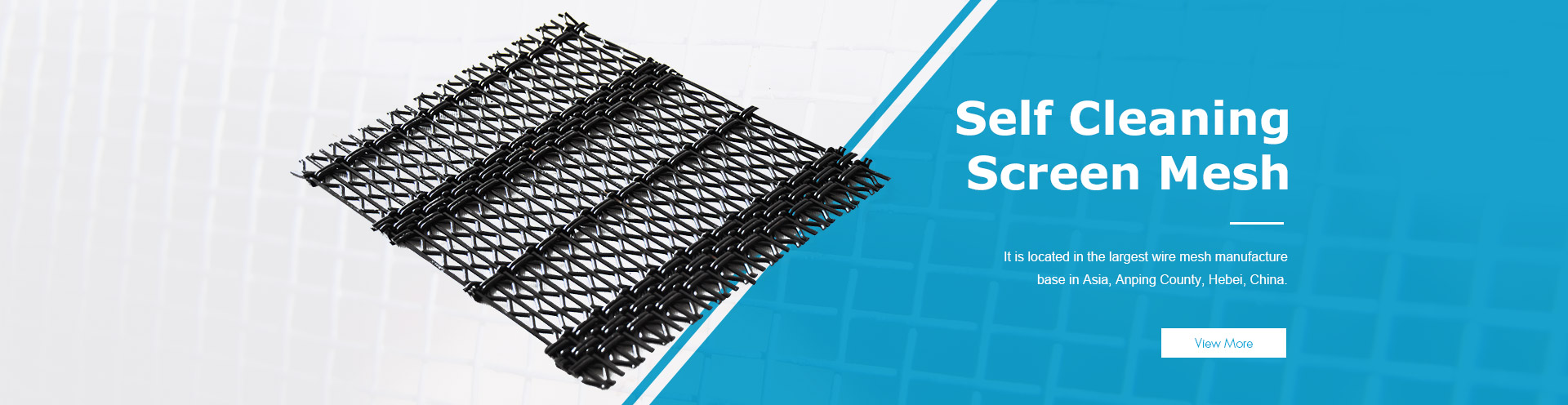
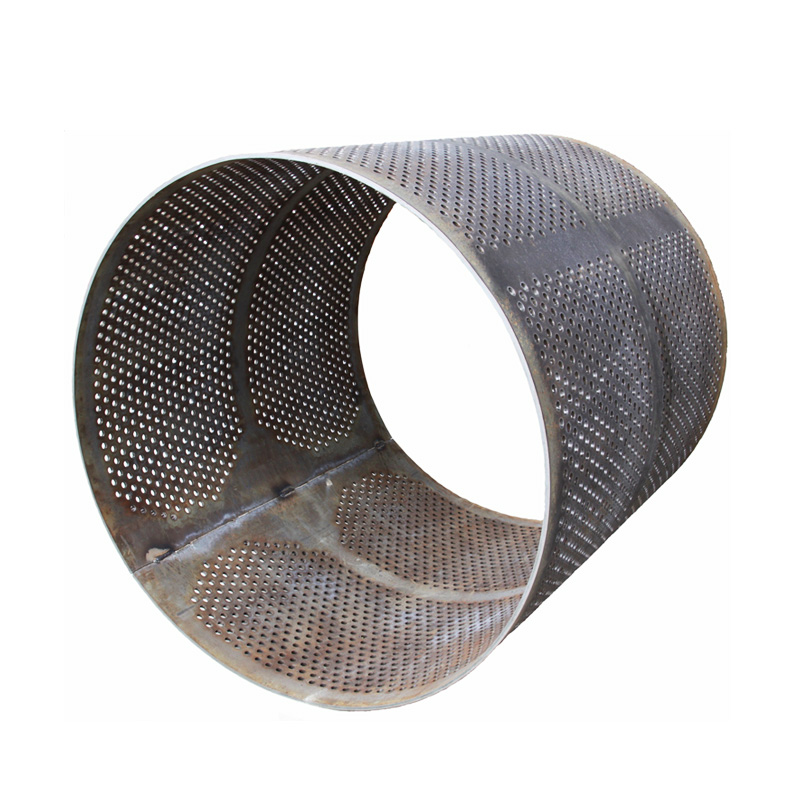
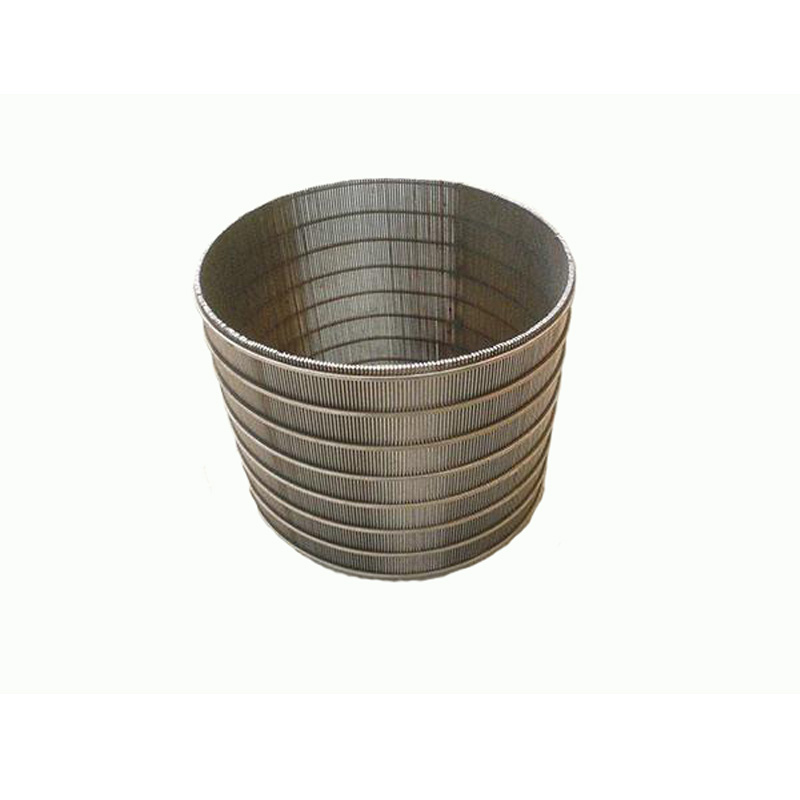
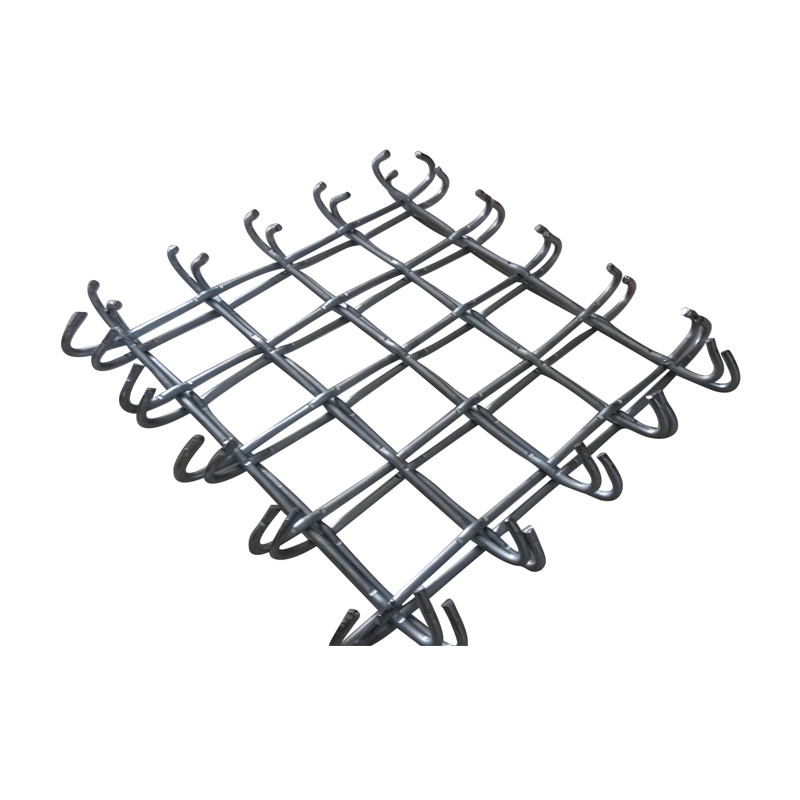
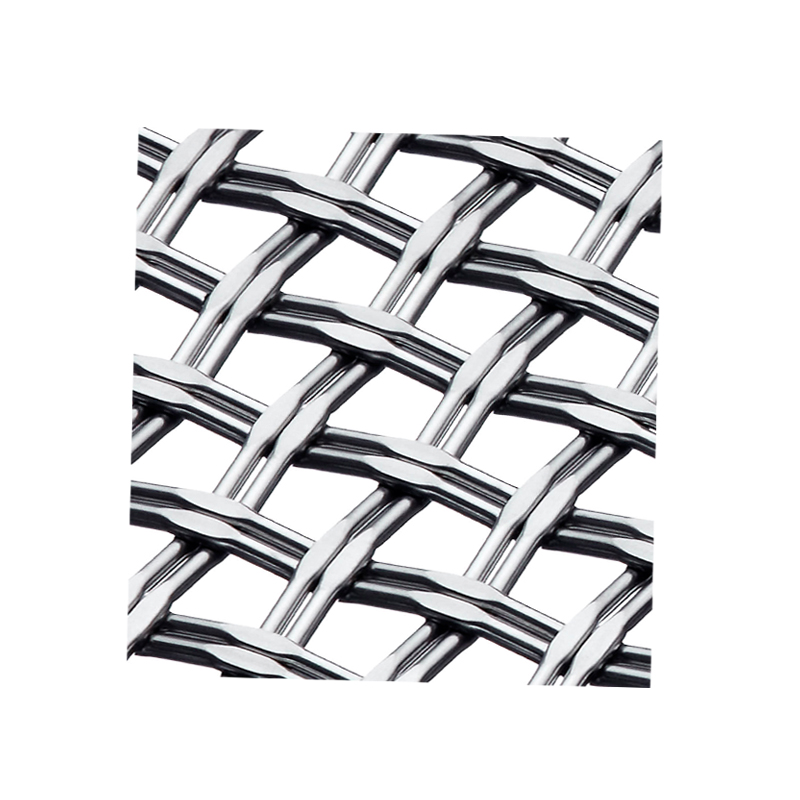
Titanium wire can be classified as: titanium wire, titanium alloy wire, pure titanium eyeglass wire, straight titanium wire, pure titanium wire, titanium welding wire, titanium hanger wire, titanium coil wire, bright titanium wire, medical titanium wire, and titanium-nickel alloy wire. Titanium wire can be as thin as 0.03mm, and titanium mesh can be as dense as 200 mesh. Due to different usage environments, the processing technology of titanium mesh also varies. Titanium woven mesh, titanium stretched mesh, titanium perforated mesh, and iron wire mesh are available year-round from our factory.
(Note: The last sentence about titanium wire is unrelated and appears to be a separate, incomplete thought.) Titanium wire and mesh are used in chemical, petroleum, pharmaceutical, papermaking, artificial leather, food processing, agricultural and aquatic products, and are characterized by acid resistance, wear resistance, and corrosion resistance.
Applications of titanium wire mesh include: military, medical, sporting goods, eyeglasses, earrings, headdresses, electroplating fixtures, welding wire, and other industries. Titanium wire has a low density, high specific strength, and excellent corrosion resistance. Titanium is a very reactive metal with a low equilibrium potential and a high tendency for thermodynamic corrosion in media. However, titanium is actually very stable in many media, such as oxidizing, neutral, and weakly reducing media, where it is corrosion-resistant. This is because titanium has a strong affinity for oxygen. In air or oxygen-containing media, a dense, strongly adhered, and highly inert oxide film forms on the titanium surface, protecting the titanium substrate from corrosion. Even due to mechanical wear, it quickly self-heals or regenerates. This demonstrates that titanium is a metal with a strong passivation tendency. The titanium oxide film maintains this characteristic at media temperatures below 315℃. To improve the corrosion resistance of titanium, surface treatment technologies such as oxidation, electroplating, plasma spraying, ion nitriding, ion implantation, and laser treatment have been developed. These technologies enhance the protective properties of the titanium oxide film, achieving the desired corrosion resistance. Addressing the needs for metallic materials in the production of sulfuric acid, hydrochloric acid, methylamine solutions, high-temperature humid chlorine gas, and high-temperature chlorides, a series of corrosion-resistant titanium alloys, including titanium-molybdenum, titanium-palladium, and titanium-molybdenum-nickel alloys, have been developed. Titanium-32 molybdenum alloy has been used in titanium castings, while titanium-0.3 molybdenum-0.8 nickel alloy has been used in environments prone to crevice corrosion or pitting corrosion, and titanium-0.2 palladium alloy has been used locally in titanium equipment, all achieving excellent results. Titanium wire exhibits good heat resistance, and the new titanium alloys can be used for extended periods at temperatures of 600℃ or higher. With excellent low-temperature resistance, low-temperature titanium alloys such as TA7 (Ti-5Al-2.5Sn), TC4 (Ti-6Al-4V), and Ti-2.5Zr-1.5Mo exhibit increased strength with decreasing temperature, while their plasticity remained relatively stable. Maintaining good ductility and toughness at temperatures ranging from -196 to 253℃, they avoid cold brittleness, making them ideal materials for cryogenic containers, storage tanks, and other equipment.