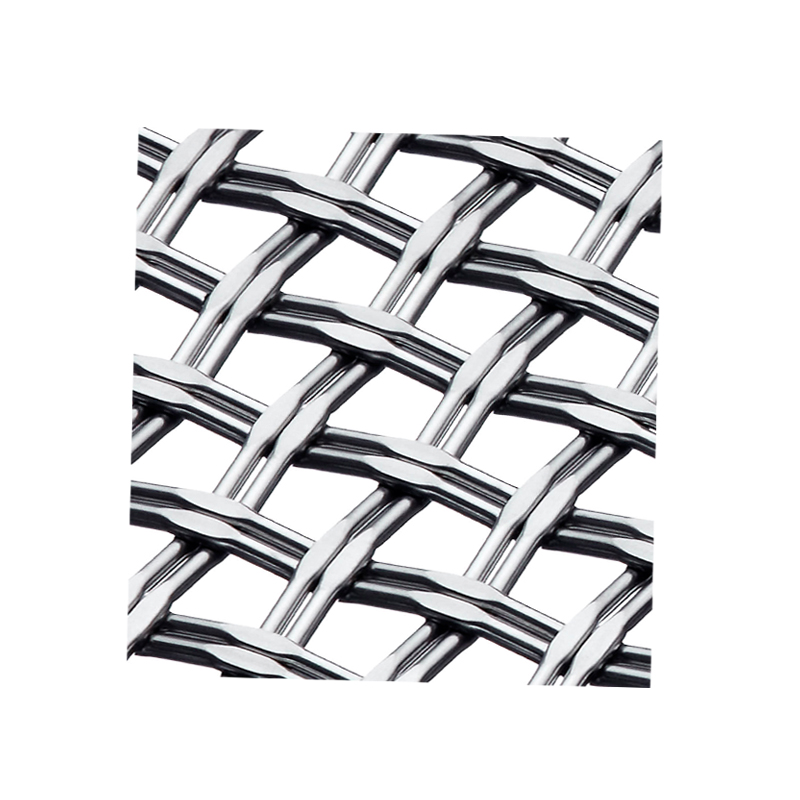
In industrial production and laboratory research, the selection of sieves is crucial. The mesh count of a sieve is an important indicator of its fineness; the higher the mesh count, the smaller the aperture, and the finer the material sieved. Therefore, understanding the principle that "the higher the mesh count, the finer the sieve" is essential for selecting the appropriate sieve.
First, we need to clarify what sieve mesh count is. Sieve mesh count refers to the number of openings per inch of sieve length. For example, a 100-mesh sieve means there are 100 openings per inch. This design allows the sieve to effectively separate materials of different particle sizes. As the mesh count increases, the aperture gradually decreases, and the fineness of the sieve increases accordingly.
In many industries, the fineness of the sieve directly affects product quality and production efficiency. For example, in the food processing industry, finer sieves can effectively remove impurities and maintain product purity. In the pharmaceutical industry, fineness control is even more related to the efficacy and safety of drugs. Therefore, selecting the appropriate sieve mesh count is not only a technical requirement but also a strict control over product quality.
Secondly, the fineness of the screen mesh is closely related to the characteristics of the material. Different materials exhibit different flowability and adhesion during the screening process, which affects the screening effect. For example, powdery materials may cause clogging when passing through a fine-mesh screen due to particle adhesion. Therefore, when selecting a screen mesh, in addition to considering the mesh size, the characteristics of the material must also be considered to ensure a smooth screening process.
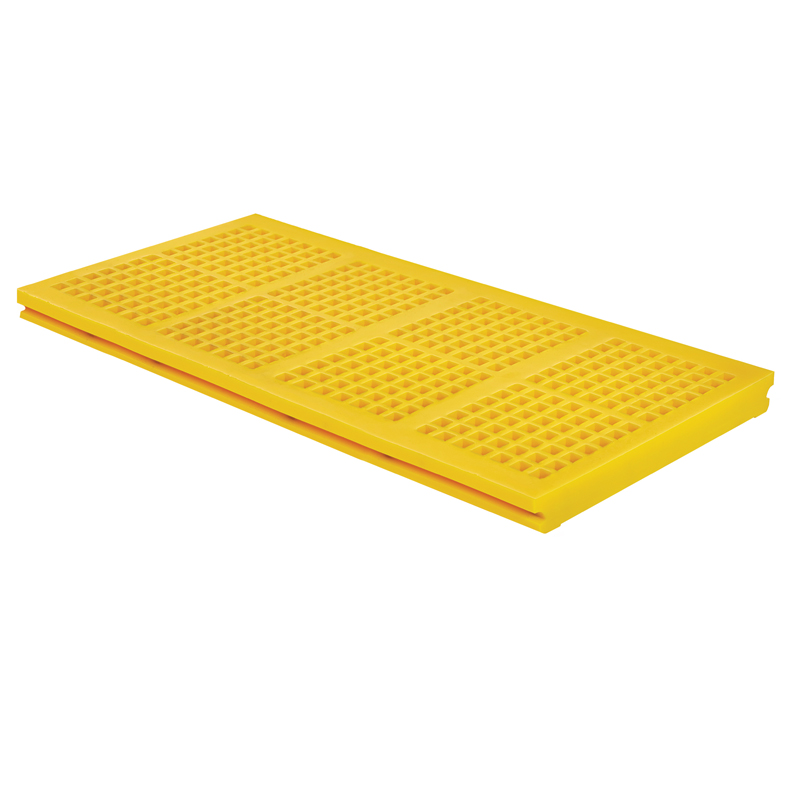
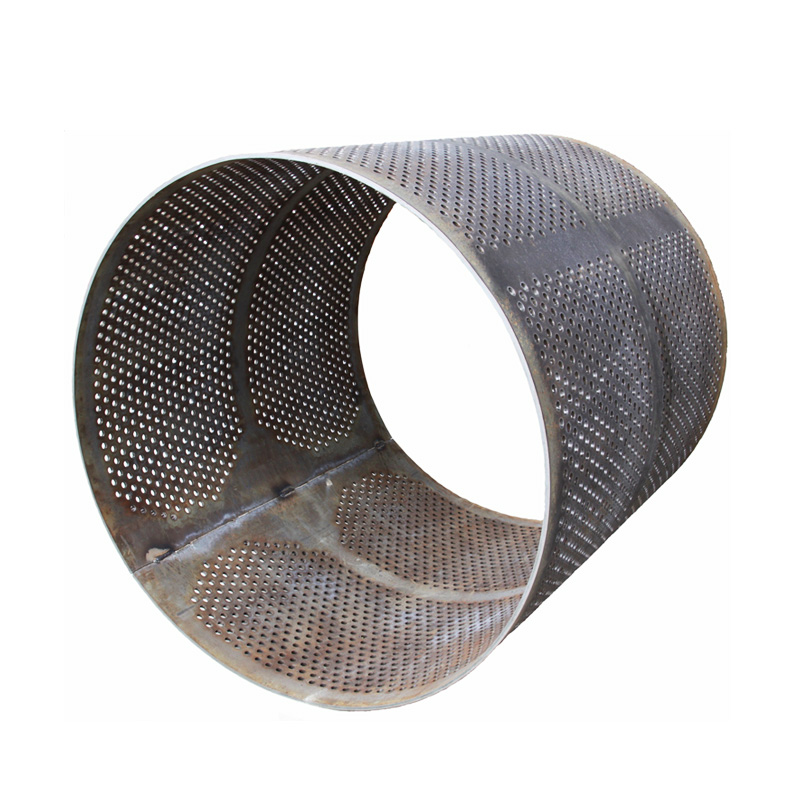
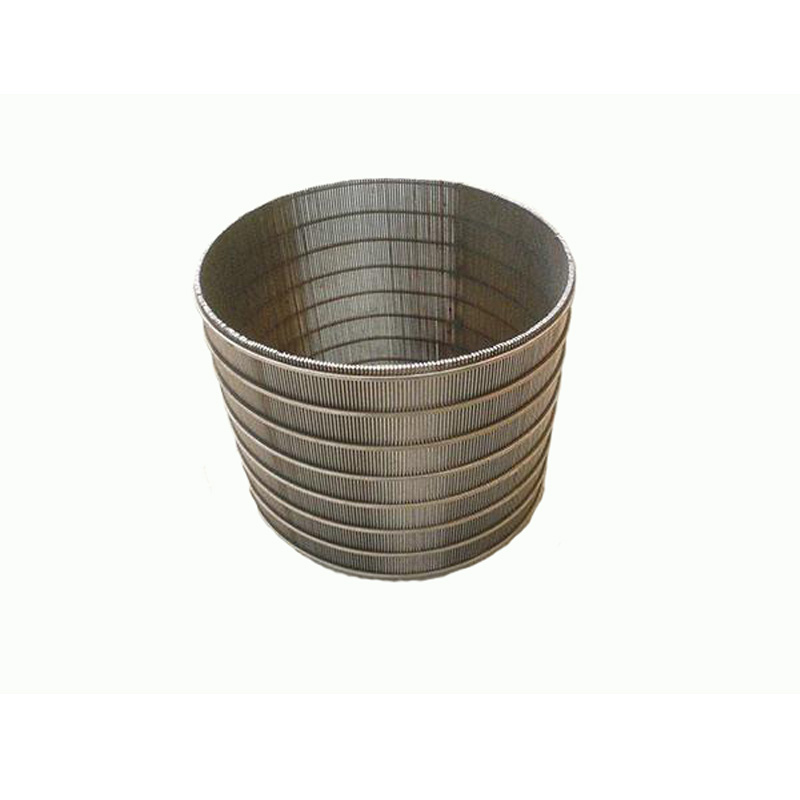
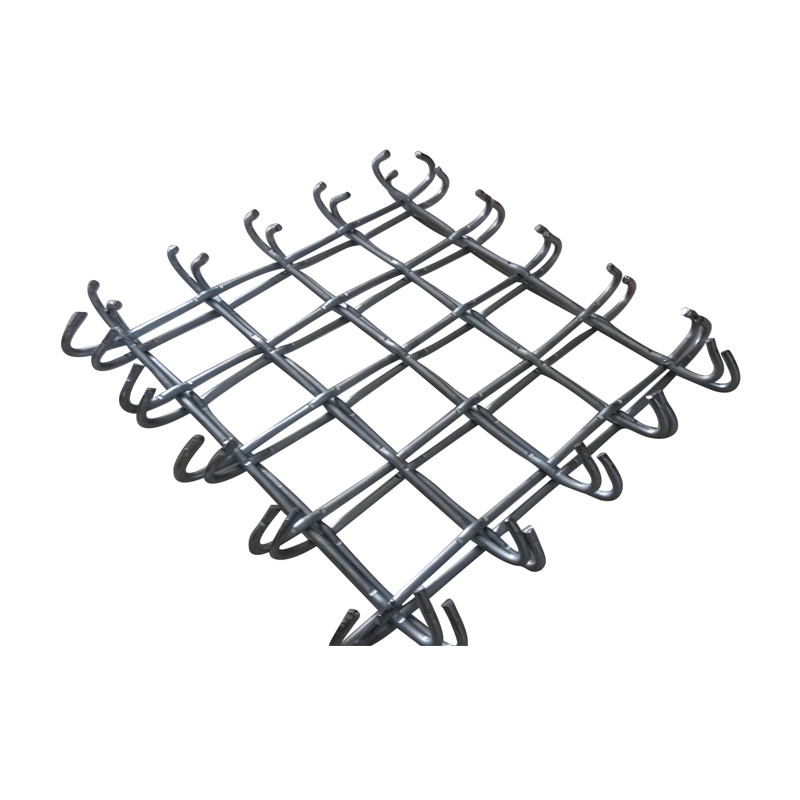
Furthermore, the material and structure of the screen mesh also affect its screening effect. Common screen mesh materials include 304, 316, 316L, 310S, 410, 430, 904L, 2205, and 2507, etc. Different materials have their own advantages and disadvantages in terms of wear resistance, corrosion resistance, and ease of cleaning. When selecting a screen mesh, in addition to the mesh size and material, the operating environment and specific application requirements must also be considered.
In practical applications, many companies choose to use a combination of screen meshes with different mesh sizes according to the requirements of their production processes. This combination approach can improve production efficiency while ensuring product quality. For example, in some cases, using a larger mesh screen for initial screening followed by a smaller mesh screen for finer screening can effectively reduce screen clogging and improve screening efficiency.
In short, the principle that "the larger the mesh number, the finer the screen" has significant guiding significance in practical applications. By rationally selecting the mesh number, material, and structure of the screen, companies can improve production efficiency and reduce production costs while ensuring product quality. Therefore, when selecting a screen, it is essential to fully consider all factors to achieve the best screening effect.