There is a significant price difference in mesh tapes on the market, ranging from just a few yuan to several dozen yuan per roll.
Don't be tempted by the cheapest option; buying the wrong type means the installation will be a waste of effort.
First, choose alkali-resistant fiberglass. Cement mortar used for wall plastering is alkaline; ordinary fiberglass mesh tape becomes brittle and snaps when exposed to alkali, which won't work.
Alkali-resistant mesh tape features a special surface coating that resists corrosion, ensuring it lasts for over a decade without issues.
Next, consider the mesh count and weight.
• Mesh count: This refers to the number of grid openings per inch; common specifications are 120-mesh and 160-mesh. A higher mesh count means a finer, denser grid, resulting in better crack resistance.
• Weight: This refers to the weight per square meter. For home use, 80–100g is sufficient; heavier weights are generally reserved for exterior walls or heavy industrial applications. Also, look at the coating: high-quality mesh fabric has an even coating, feels smooth to the touch, and doesn't easily fuzz or shed powder. When I bought mine, a contractor taught me a trick: rub it with your hand. If it doesn't shed powder or feel sticky, it's good quality. Avoid the kind that crumbles or sheds bits when rubbed—it will become useless shortly after installation.
There is also a common misconception: many people confuse mesh tape with welded wire mesh and geotextiles. These three serve completely different purposes and cannot be used interchangeably:
• Mesh tape: Primarily for crack resistance; used on wall surfaces.
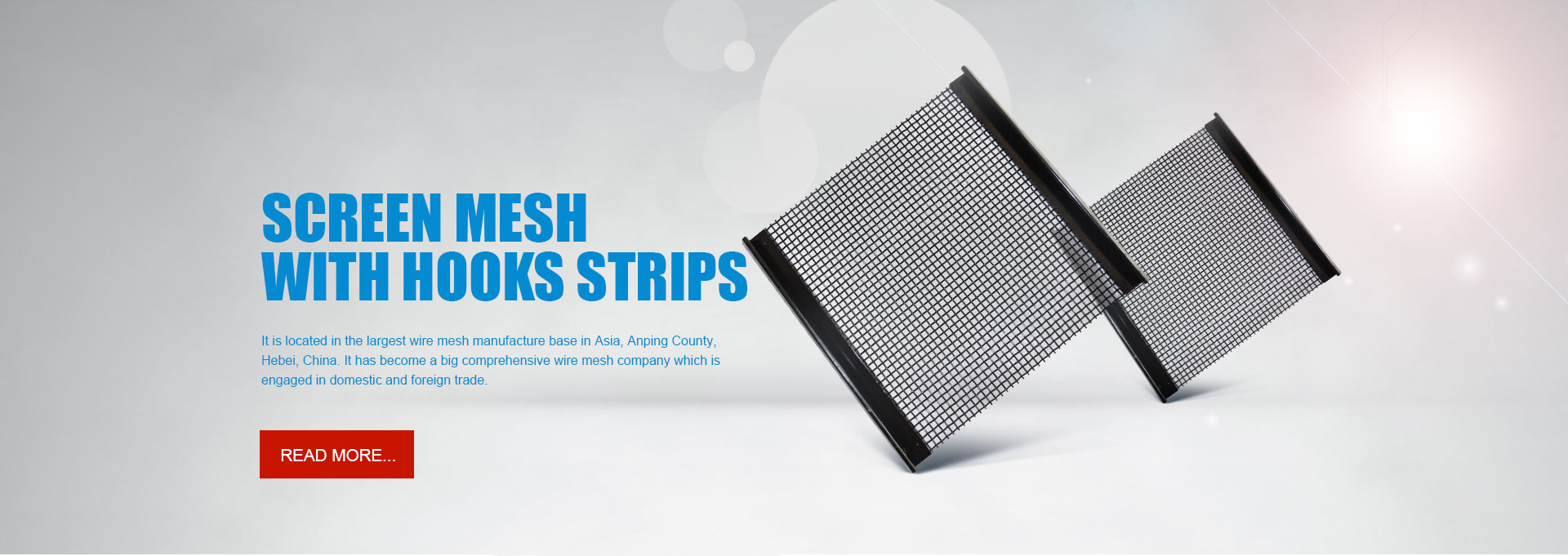
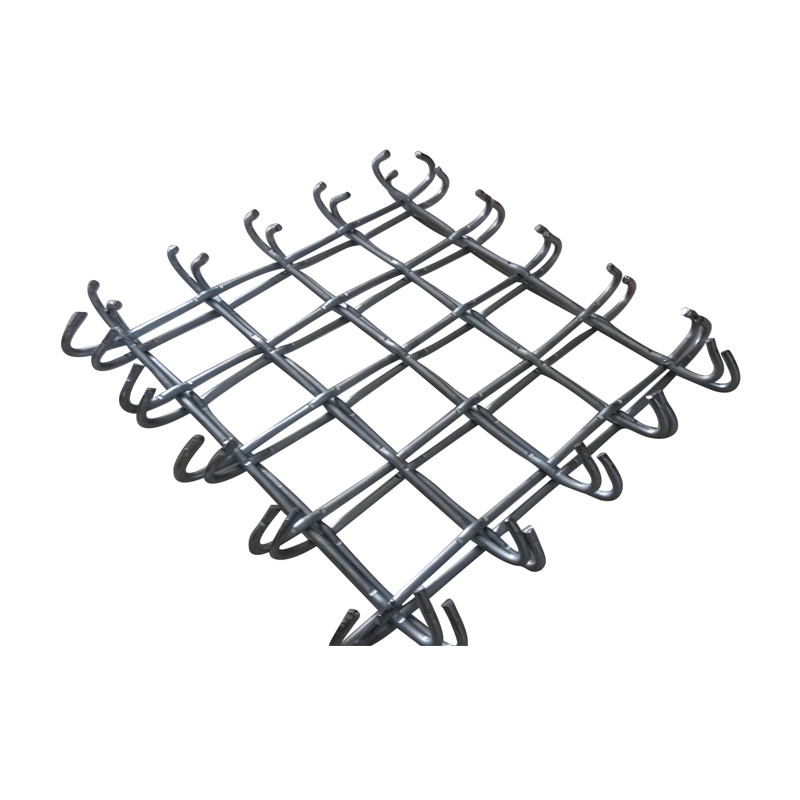
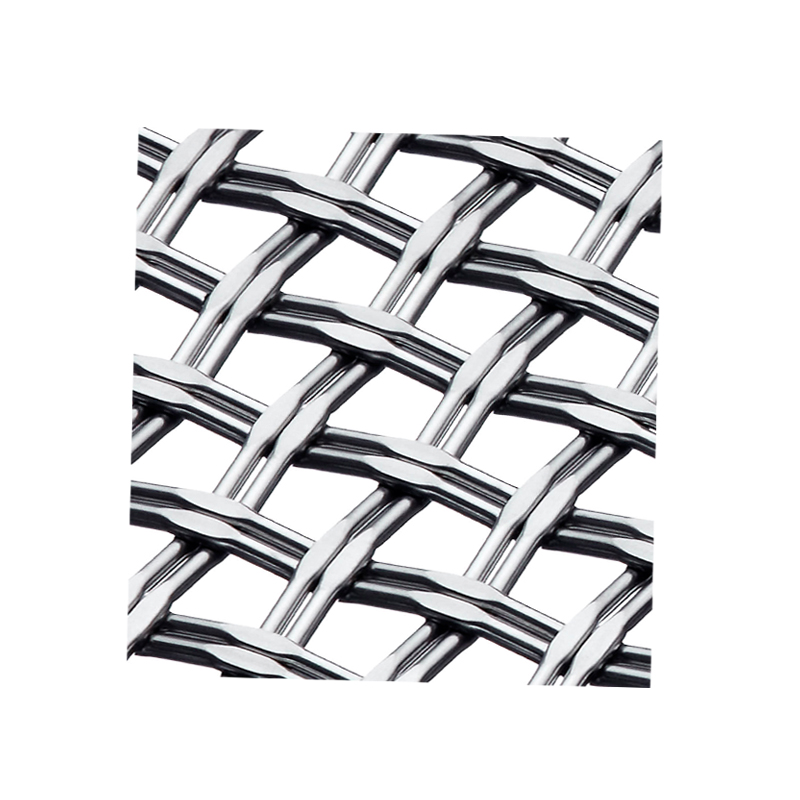
• Welded wire mesh: Made of iron; focuses on sturdy protection and is mostly used for security or heavy industrial reinforcement.
• Geotextile: Excels at preventing seepage and moisture; used in foundation and roadwork, and is unrelated to wall renovation.