I. Pre-construction Preparation
1. Base Surface Preparation
Clear the slope, embankment foundation, and riverbed base of tree roots, rubble, silt, and protruding hard lumps. Ensure the slope surface is smooth and straight, trimmed to the design gradient. Compact weak soil layers thoroughly to prevent mesh cage deformation caused by uneven settlement.
2. Material Inspection upon Arrival
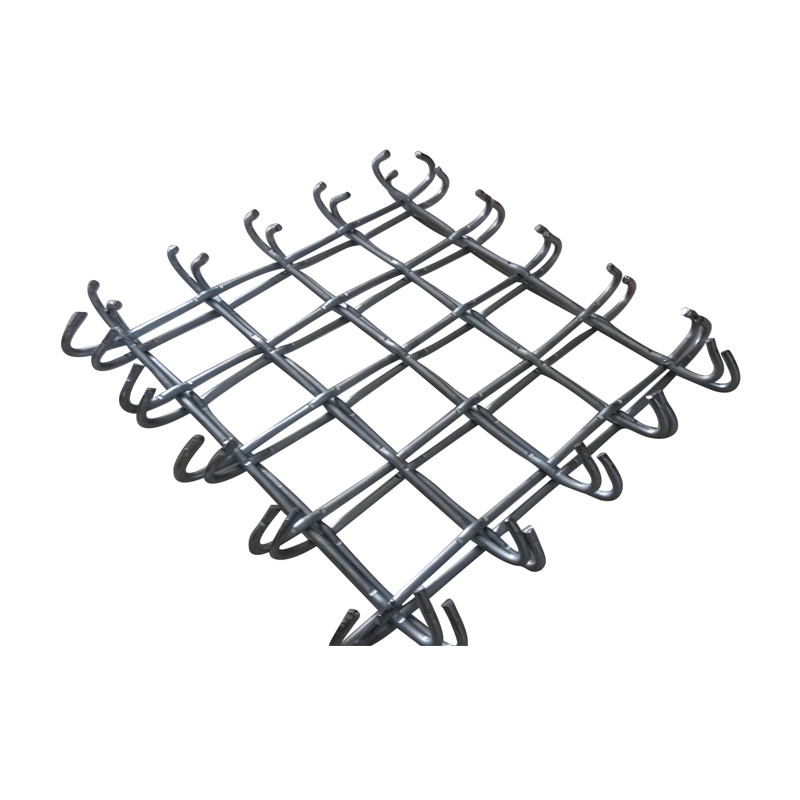
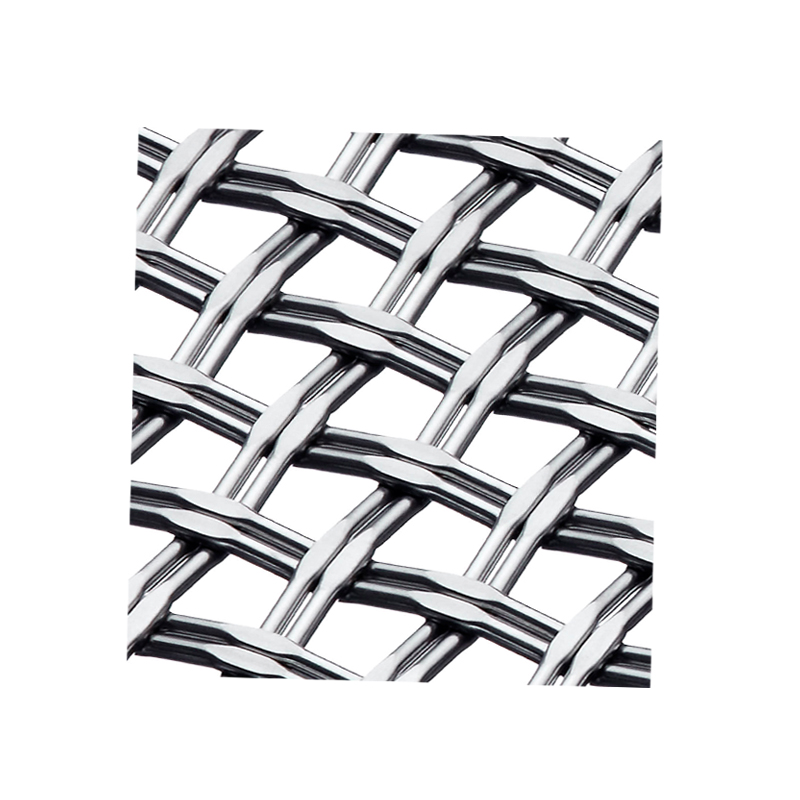
Verify compliance with the product standard YB/T4190-2018 and check the manufacturer's certificate of conformity. Conduct spot checks on wire diameter, mesh opening size, and coating thickness. Inspect mesh panels for broken wires, missed twists, or cracks; ensure a complete set of binding wires and internal bracing accessories. Strictly prohibit the entry of substandard or non-compliant products.
3. Stone Preparation
Ensure stones are hard, unweathered, and free of soil or impurities, with compressive strength meeting design requirements. Stone size must exceed the short dimension of the mesh opening. For 8×10 cm mesh, prioritize 10–15 cm stones; place larger stones on the outer face and use smaller stones to fill gaps. Filling with crushed stone, sand, or soil is prohibited.
II. Mesh Cage Assembly Essentials
1. Unfold mesh panels on level ground; avoid dragging them over sharp stones to prevent scratching or damaging the coating.
2. Erect diaphragms, end panels, base panels, and lids into position. Ensure an overlap width of ≥10 cm between adjacent panels. Use double-strand binding wire throughout, with a spacing of no more than 20–25 cm; increase binding density at corners and along top and bottom edges.
3. Ensure the assembled cage is square and free from twisting or skewing. For cages taller than 0.5 m, install internal transverse bracing to prevent bulging or outward deformation after filling with stone.
For Reno mattresses (thickness ≤0.5 m), internal bracing may be reduced as appropriate based on the design, but ties must be installed at the midpoint of the long side. III. Lifting and Placement Operations
1. After assembly, lift and place the gabion cages gently; single-point lifting is prohibited. Place soft padding at contact points between lifting ropes and the mesh body to prevent damaging the wire coating.
2. Follow the principle of staggered placement: offset the seams between upper and lower layers—aligning seams vertically is prohibited—to enhance overall structural stability. Prioritize placement at the slope toe, corners, and water-level fluctuation zones, ensuring accurate positioning.
3. Place the cages flush against the base and slope surface; avoid suspension or large gaps. For curved sections, make minor adjustments to follow the terrain; do not forcibly pull the mesh, as this can damage the steel wire.
IV. Stone Filling Construction (Stage most prone to substandard workmanship)
1. Fill in layers; the filling height for a single pass should not exceed 30 cm, and the material must be manually compacted. Do not fill to the full height at once, as this can easily cause the side walls to bulge.
2. Use large, regularly shaped stones for the outer face to provide protection; fill internal voids with small-to-medium stones to increase density. Filling that leaves hollow spaces is strictly prohibited.
3. Leave a 2–3 cm allowance for settlement at the top of the fill; close the lid only after the fill has settled to prevent the lid from being pushed up by the stones and failing to close properly.
4. During construction, do not throw stones, as impacts can damage the mesh wires and their anti-corrosion coating. Once the coating is damaged, rapid rusting will occur, shortening the service life.
V. Lid Closure and Overall Connection
1. Close the lid after the fill passes inspection; securely bind the lid edges to the top edges of the cage body. Wrap the binding wire at least 2–3 times at each binding point.
2. Interconnect adjacent cages and stacked layers to form a unified, flexible slope protection structure capable of dissipating the impact force of water flow.
3. Bend all wire ends and exposed binding wires inward; ensure protruding wires are trimmed smooth to prevent injury to personnel during future inspections and maintenance. VI. Construction Requirements for Special Areas
1. Water-level fluctuation zones and underwater areas: Use Galfan-coated or PVC-coated anti-corrosion materials; increase wire diameter appropriately; select hard stone fill resistant to water impact and erosion; and increase the density of binding points.
2. Slope toe area: As the point of maximum stress, the slope toe may be reinforced with an additional row of gabions; increase the embedment depth if necessary to prevent scouring and undermining.
3. Slope crest: Properly seal the edges of the top gabions and ensure a smooth connection with interceptor ditches; backfill gaps at the top with planting soil to facilitate vegetation growth and achieve an ecological slope protection effect.
VII. Ecological and Ancillary Construction
1. Backfill gaps between stones with humus-rich soil and sow grass or shrub seeds; do not puncture the mesh or cut the steel wires.
2. Construct drainage and flow-diversion structures concurrently as per the drawings; do not block drainage channels arbitrarily, as water pressure buildup can cause the slope protection to bulge or fail.
VIII. Protection of Finished Work, Maintenance, and Acceptance
1. Prohibit heavy machinery from driving over or impacting the gabion structures for 7–15 days after completion; prevent manual cutting of the mesh wires.
2. Conduct inspections before and after the flood season to check for stone loss, broken wires, unit displacement, or scouring at the slope toe; promptly repair and reinforce any defects found.
3. Acceptance criteria: Base slope gradient, gabion unit placement, binding spacing, installation of internal bracing (tie-wires), stone specifications, fill compaction density, integrity of the anti-corrosion coating, and overall structural continuity.
IX. Safety Precautions
1. Wear life-saving gear when working in river channels or near water; implement fall-prevention measures during slope construction.
2. Cut wire ends are sharp; workers must wear gloves to prevent lacerations.
3. Construction in water or on riverbanks is prohibited during the flood season to guard against flash floods.
X. Common Construction Defects and Prevention
1. Common defect: Failure to install internal bracing (tie-wires), leading to bulging or deformation of the gabion units → Countermeasure: Install internal bracing according to specifications and fill with stone in layers. 2. Common issue: Stone size too small, leading to stone leakage later → Countermeasure: Screen stones upon delivery; particle size must exceed the shorter dimension of the mesh opening.
3. Common issue: Sparse binding points or skimping on binding wire → Countermeasure: Conduct full-time on-site supervision; increase binding density at corners and water-level zones.
4. Common issue: Damage to the coating → Countermeasure: Implement protective measures during hoisting and stone filling; repair damaged areas using specialized anti-corrosion coating.