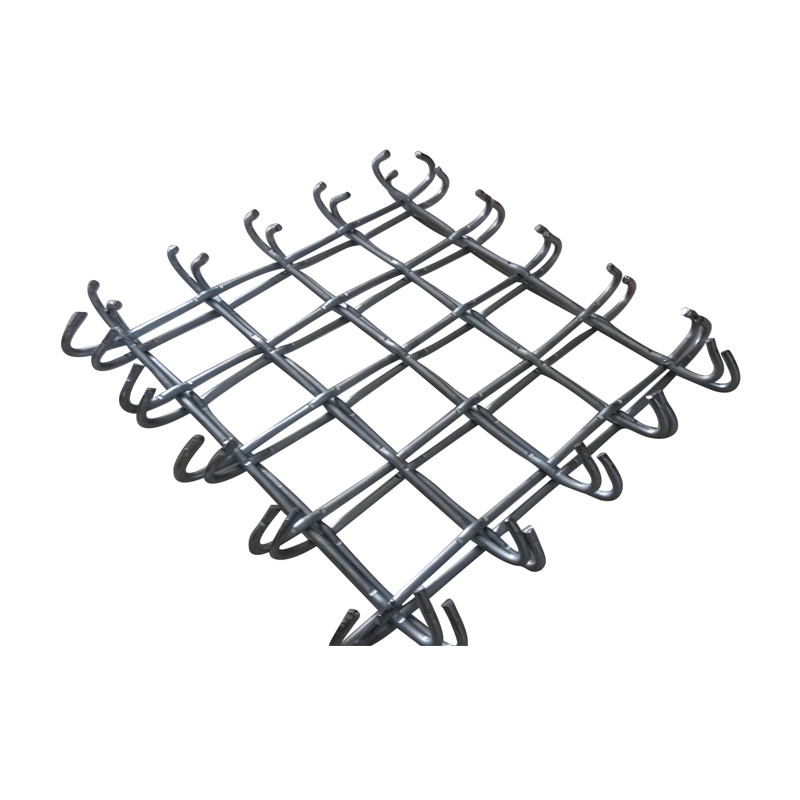
Generally speaking, stainless steel welded wire mesh is not prone to breakage. However, once it does break, the repair process is quite complex, so it's important to avoid breakage altogether. Let's analyze why stainless steel welded wire mesh sometimes breaks. Stainless steel welded wire mesh is made from high-quality low-carbon steel wire, galvanized wire, or stainless steel wire, welded using precision automatic welding machines. Welding processes are involved in the production process. Of course, welding cracks exist, but what factors affect the quality of stainless steel welded wire mesh? Different technical materials, or even different metal materials, with different structures, will exhibit different forms of fracture under the same load conditions. Even materials with the same structure will fracture in different ways under different working conditions.
Factors affecting stainless steel welded wire mesh include: the material itself, including chemical composition, structure, and state; and external factors, generally including temperature, environmental medium, and load (static or alternating load, loading speed, etc.).
Besides the basic components, some metallic materials also contain various alloying elements, impurities, gases, and inclusions, which significantly affect the performance and fracture characteristics of the metallic material. The primary cause of brittle fracture is that structural defects or gaps exacerbate the problem.
For larger plates, shorter rolling times and higher final rolling temperatures result in a relatively porous microstructure and increased heterogeneity between inner and outer layers. The influence of different microstructures on the material's fracture properties, as well as increased grain size, further increase the risk of brittle fracture.
These factors can all contribute to the fracture of stainless steel welded wire mesh. Hopefully, this information will help you understand how to prevent this problem.