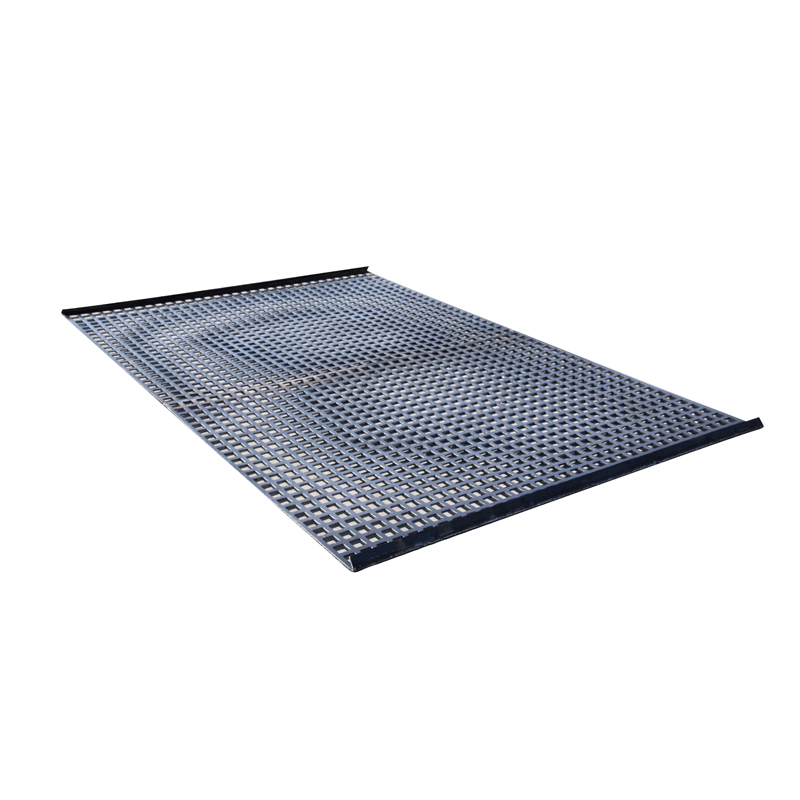
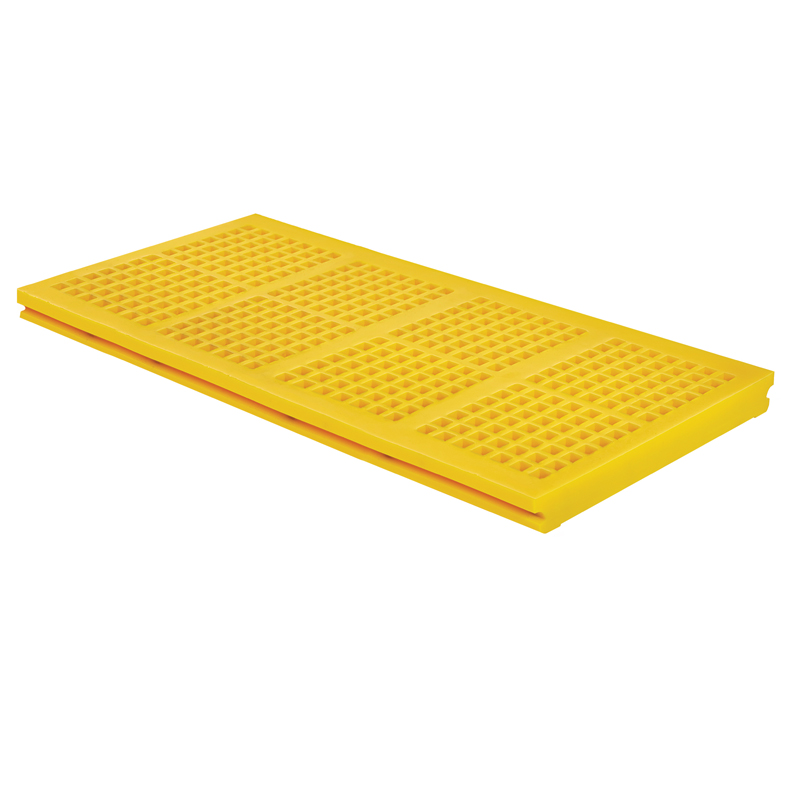
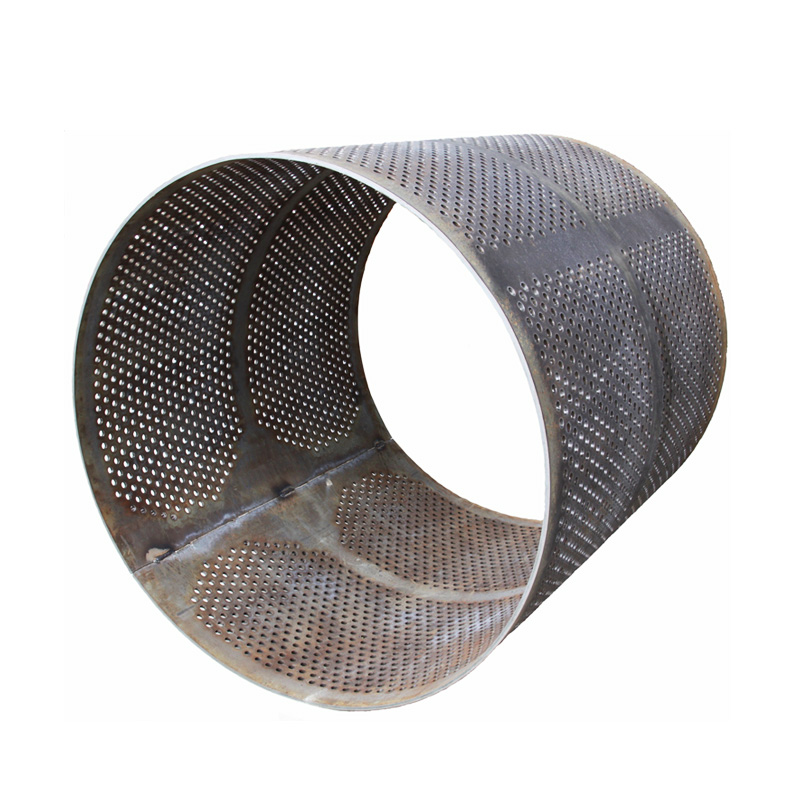
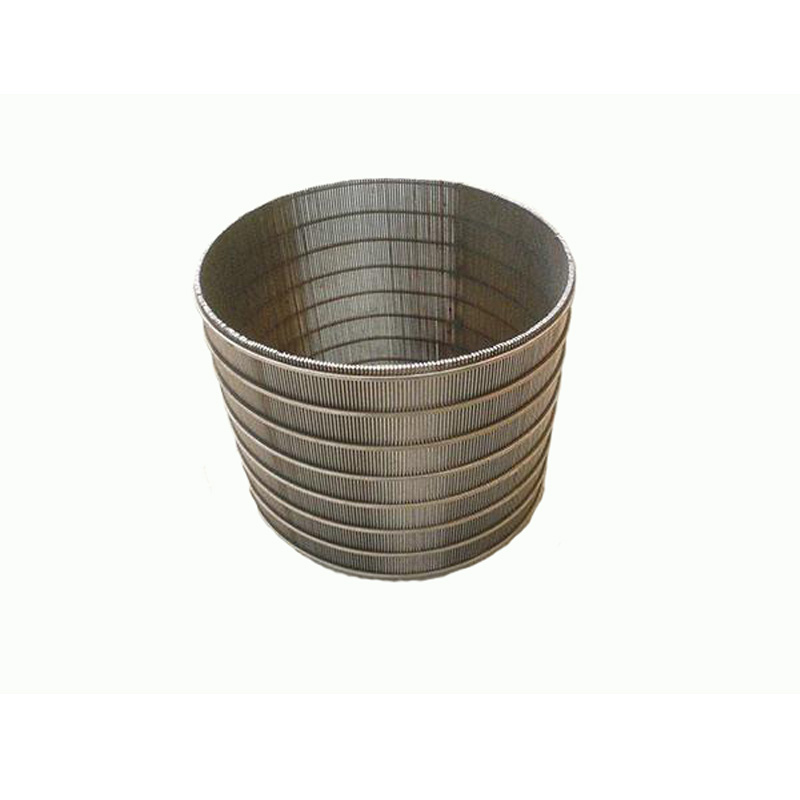
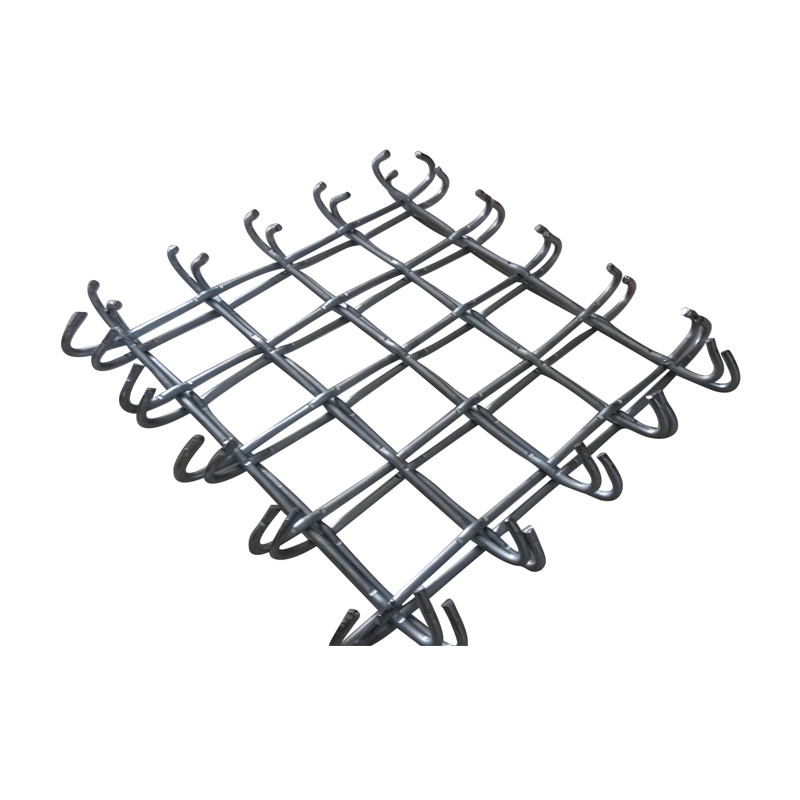
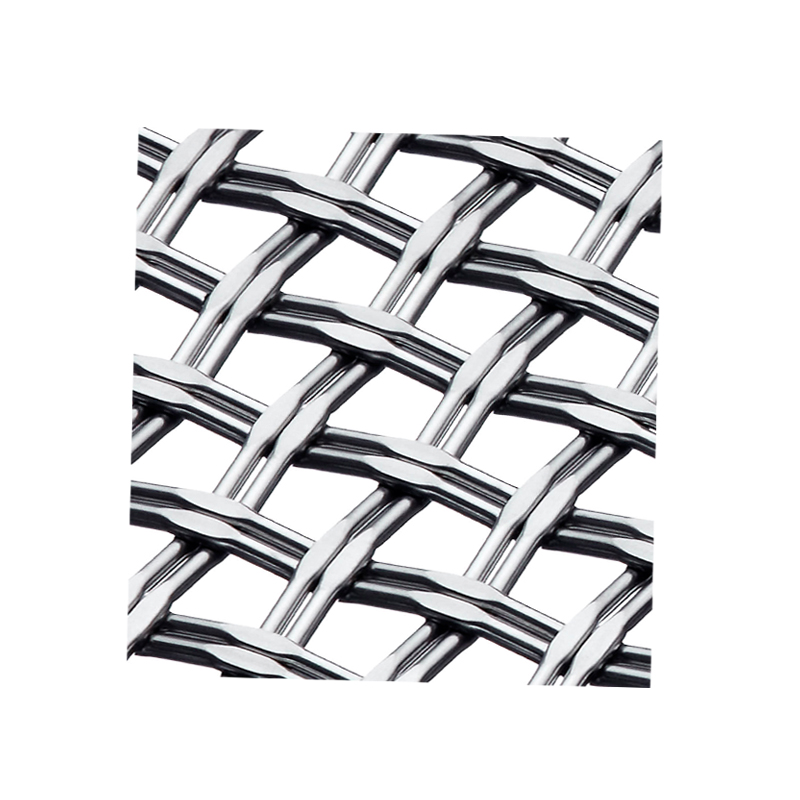
For sieve plates, what role do surface spraying or baking paint play? These sieve plates are mostly used for decorative or protective functions, requiring electrostatic spraying for surface treatment. This spraying surface treatment not only enhances their appearance but also increases corrosion resistance, thus extending their service life.
Sieve Plate Spraying Technology Principle: Powder coating is fed into the spray gun by compressed air from the powder supply system. A high-voltage electrostatic generator applies high voltage to the front of the spray gun. Due to corona discharge, a dense charge is generated near the powder. When the powder is sprayed from the nozzle, it forms charged coating particles, which are attracted to the spray gun by electrostatic action. When a certain thickness is reached, the attraction stops due to electrostatic repulsion, resulting in a powder coating of a certain thickness on the entire workpiece. Then, after baking, the powder melts, solidifies, and forms a hard film of a certain thickness on the perforated mesh surface.
Electrostatic spraying of sieve plates does not require thinner coatings, is environmentally friendly, non-toxic to humans, produces a glossy coating with stronger adhesion and mechanical strength, has a short setting time, and offers higher corrosion and wear resistance. It requires no primer, is easy to apply, and is less expensive than traditional spraying. Electrostatic spraying also avoids common coating issues, resulting in a neat appearance and an aesthetically pleasing overall look for perforated mesh.
In contrast, sieve plate baking paint is a fluoropolymer coating based on polytetrafluoroethylene (PTFE). Besides Teflon, high-temperature baking paint has several other names. This fluoropolymer coating exhibits excellent performance, perfectly combining low friction, insulation stability, chemical inertness, and heat resistance, making it widely used in various industries. Compared to spraying, it provides a more refined surface finish for sieve plates.