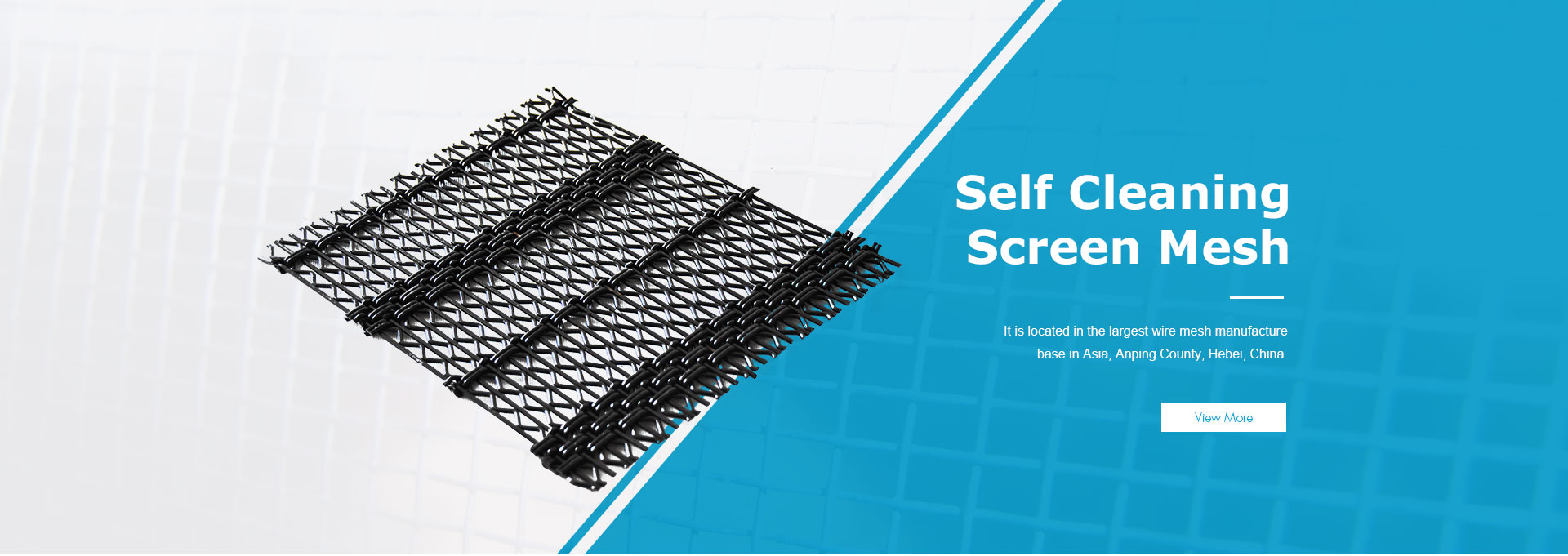
In production environments involving mining, sand and gravel processing, sand washing, and stone crushing, the screen mesh is a critical wear part that determines material classification efficiency. Standard screens often wear out quickly and break easily, causing production delays due to frequent replacements. Perforated steel screens, however, have become a cost-effective, preferred choice for industrial screening applications thanks to their high-hardness material and customizable aperture shapes.
I. What is a perforated steel screen?
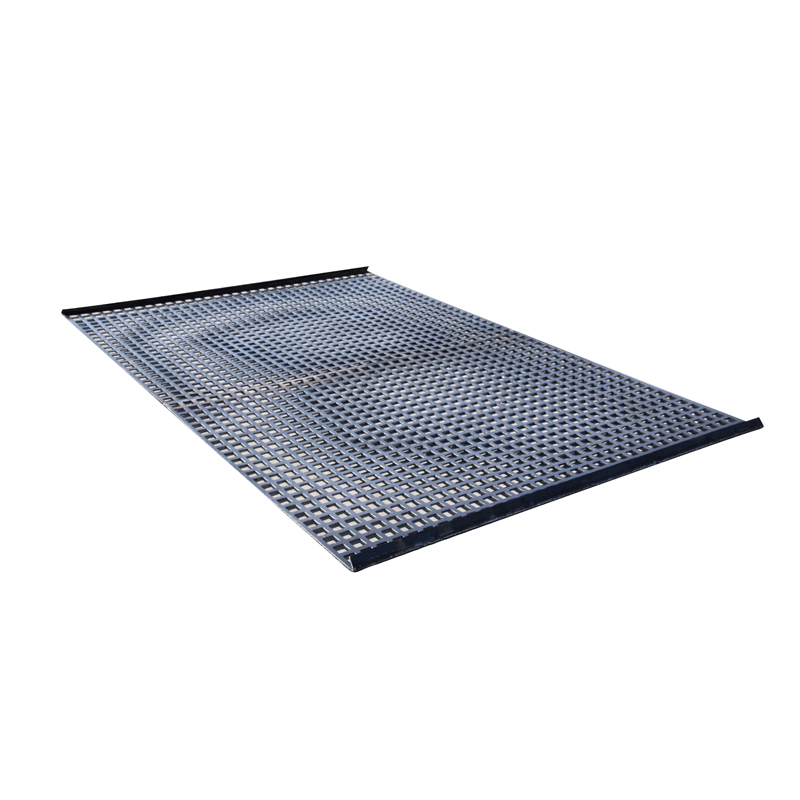
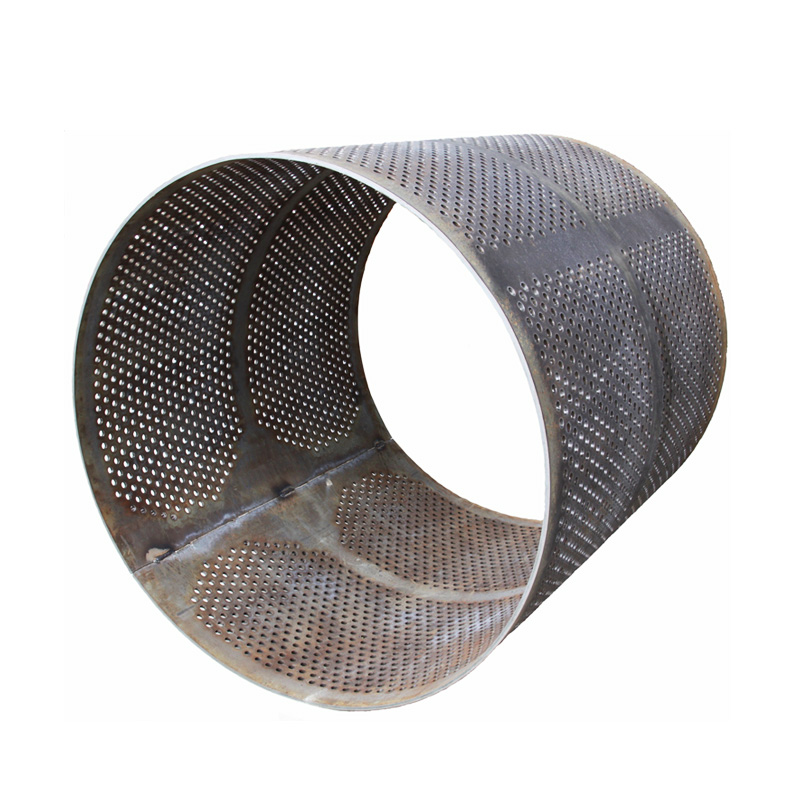
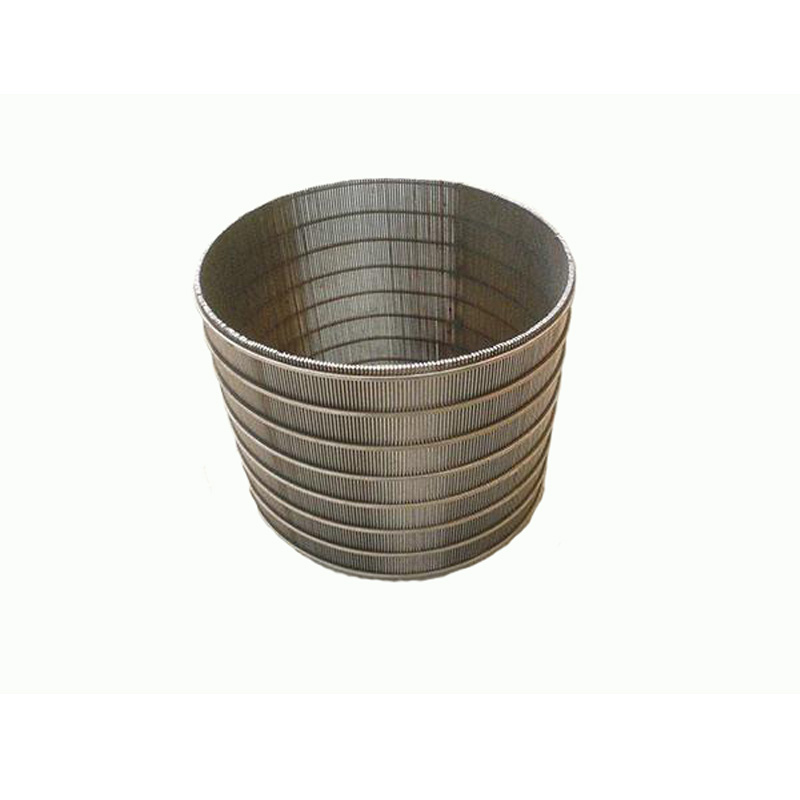
Perforated steel screens (also known as punched screen plates) are manufactured from high-manganese steel or wear-resistant steel plate using CNC punching technology. They can be processed with various aperture shapes—such as elongated slots, round holes, or herringbone patterns—to meet specific material requirements. These screens can be bent and cut to size, making them compatible with a wide range of equipment, including vibrating screens, sand washing machines, wheel-bucket washers, and crushers.
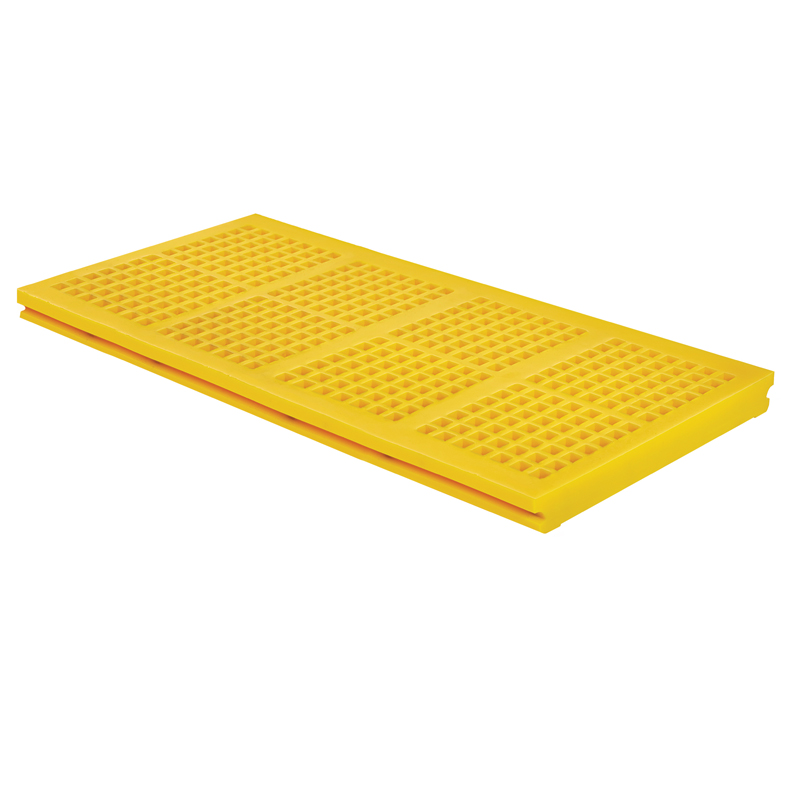
Compared to polyurethane or welded screens, perforated steel screens offer superior impact resistance and durability against wear and heavy blows. They are ideal for handling large stones and operating under heavy-load conditions. Dimensions, aperture sizes, and plate thicknesses are fully customizable, making them widely applicable in sectors such as sand and gravel aggregates, mineral processing, construction waste treatment, and sand washing.
II. Diverse aperture shapes to suit various screening needs
Different aperture patterns can be selected based on material particle size and operating conditions:
1. Elongated slots (bar-type holes)
Designed for screening sand and stone; they ensure smooth material flow and resist clogging. Commonly used for stone grading and in sand washing machines. Slot widths (such as 0.54mm or 0.72mm) can be customized.
2. Round holes
Offer high precision and uniform screening; ideal for grading granular materials, mining aggregates, and ore sorting.
3. Herringbone/Sawtooth holes
Provide anti-slip properties, cushioning, and resistance to material impact; they guide material flow effectively and offer superior resistance to heavy impacts. Aperture patterns, plate thickness, and dimensions can be customized to requirements; bending and edge-folding treatments are available to facilitate direct on-site installation and mounting.
III. Key Application Scenarios
✅ Sand and aggregate plants: Grading crushed stone sizes; screening gravel and sand
✅ Sand washing equipment: Screen plates for wheel-bucket sand washers; silt-sand separation; water-based sand and gravel washing
✅ Mine mineral processing: Ore grading; screening large material chunks; withstanding ore impact
✅ Construction waste crushing: Screening recycled aggregates; impact and wear resistance
✅ Stone plants, coking plants, and the coal industry: Material grading and filtration
✅ Replacement parts for vibrating screens: Direct replacement for OEM screen plates; easy installation
Core Advantages:
1. Wear and impact resistance: Made from wear-resistant steel or high-manganese steel; withstands impacts from large stones; superior service life compared to standard thin-plate screens
2. Anti-clogging: Optimized aperture design ensures smooth material flow and reduces downtime caused by clogged holes
3. Strong customization capabilities: Aperture size, plate thickness, external dimensions, and edge bending/folding are all processed to order
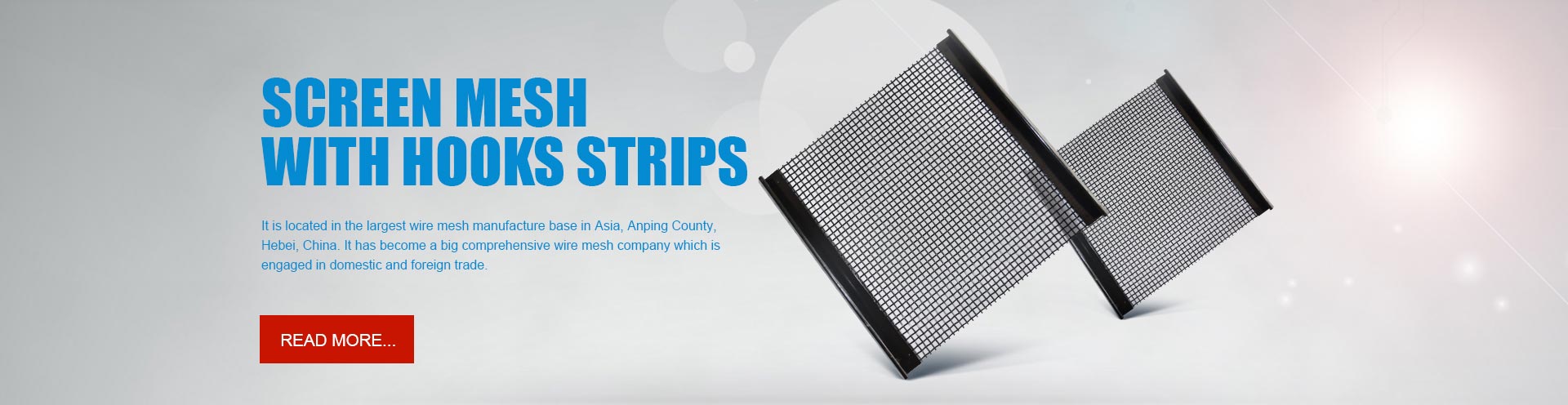
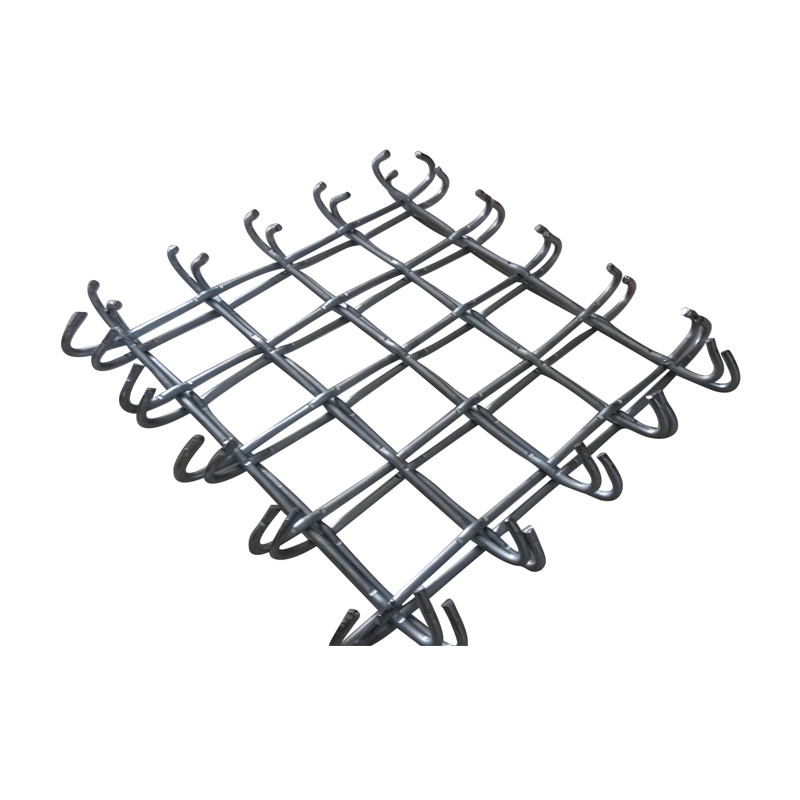
4. Easy installation: Available with bending or hook structures; compatible with the vast majority of vibrating screens and sand washing equipment.
IV. Selection Tips
1. For large material chunks and high impact: Prioritize thicker wear-resistant plates and choose slotted (long) or herringbone apertures;
2. For fine grading: Select screen plates with small circular apertures;
3. Confirm details when ordering: Equipment mounting dimensions, aperture/slot size, plate thickness, and whether bending or edge-folding is required;
4. For harsh operating conditions: It is recommended to keep spare screen plates on hand to minimize downtime.
As a fundamental component for industrial screening, selecting the right material and aperture pattern for steel perforated screens can effectively reduce equipment downtime and boost the operational efficiency of the entire production line.