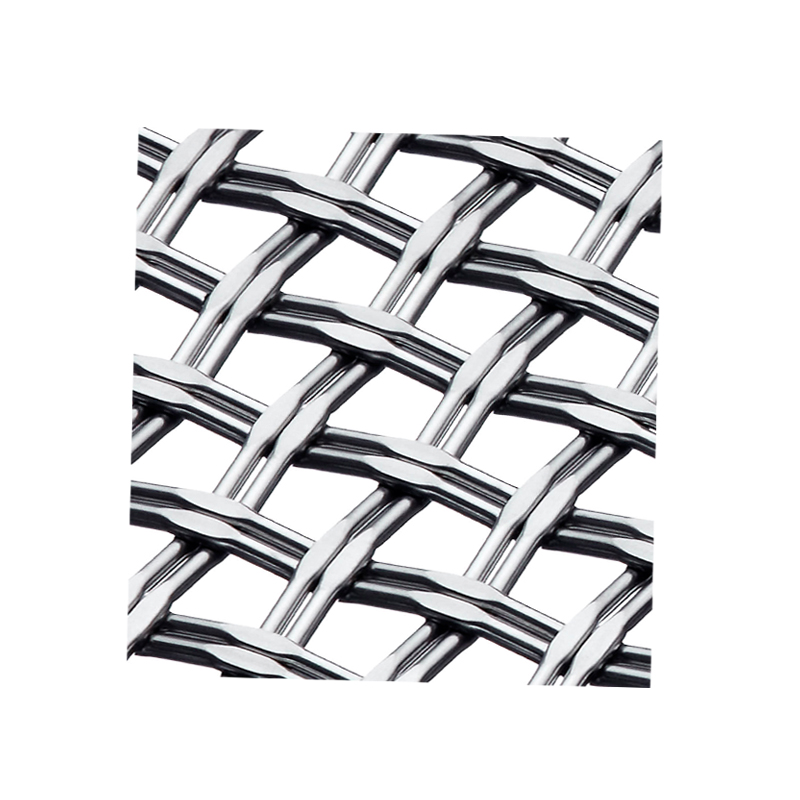
Why can a 3cm-thick steel grating on a construction site support a truck, whereas a solid steel plate would need to be 10cm thick? How does such a thin mesh manage to bear such heavy loads?
The secret to the steel grating's strength lies in its "steel skeleton" hidden within the mesh! It consists of two core components:
1. Longitudinal load-bearing flat bars—acting like "beams" arranged vertically to directly bear foot traffic and heavy loads; the taller the flat bar, the greater the load-bearing capacity.
2. Transverse twisted rods—acting like "ribs" welded to the flat bars to prevent them from tipping sideways; the denser the rods, the more stable the overall structure.
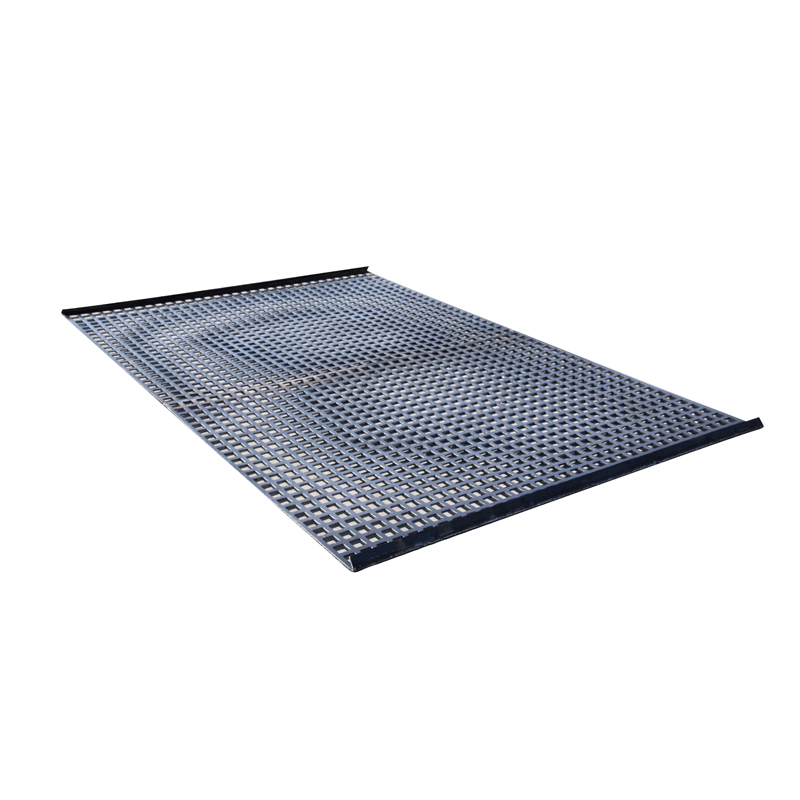
Take the model G255/30/100, for example: the flat bar is 25mm high (about the width of an index finger), the spacing between flat bars is 30mm (too narrow for a 1-yuan coin to pass through), and the spacing between transverse rods is 100mm (the length of a smartphone placed vertically). This constitutes the grating's "steel skeleton."
A feat of structural engineering: Pressure is concentrated on a single flat bar and then dispersed to the five adjacent bars (actual load dispersion rate exceeds 60%); the transverse rods prevent the flat bars from tipping, tripling the structural stability.
The wisdom of lightweight design: 40% of the structure is open space, yet it is stronger.
Steel grating has an open area ratio of 30%–50%, meaning its self-weight is only one-third that of a solid steel plate with the same load-bearing capacity.
It saves over 30% in material costs, and rainwater or snow drains directly through the openings without adding extra weight to the platform—a classic example of using minimal force to achieve a massive effect.
To cut costs, a logistics warehouse once purchased a "simplified" version of steel grating that lacked welded transverse rods. When a forklift drove over it the first time, the flat bars twisted and deformed. The second time, the flat bars snapped out of place, causing the forklift's tire to burst instantly! Fortunately, the driver reacted quickly, and no injuries occurred. Inspection revealed that the transverse rods hadn't been properly welded; without that restraint, the flat bars lost their support and failed individually. National Standard YB/T4001.1 (Section 4.1) mandates that transverse rods must be continuously welded or press-locked, ensuring every intersection is securely fixed. These aren't just empty words on a blueprint—they are lessons learned through accidents. "Flat bar height determines load-bearing capacity; closer spacing means greater pressure resistance"—for heavy-duty workshops, choose G325/30/50 (32.5mm flat bar height, cross-bars spaced at 50mm).