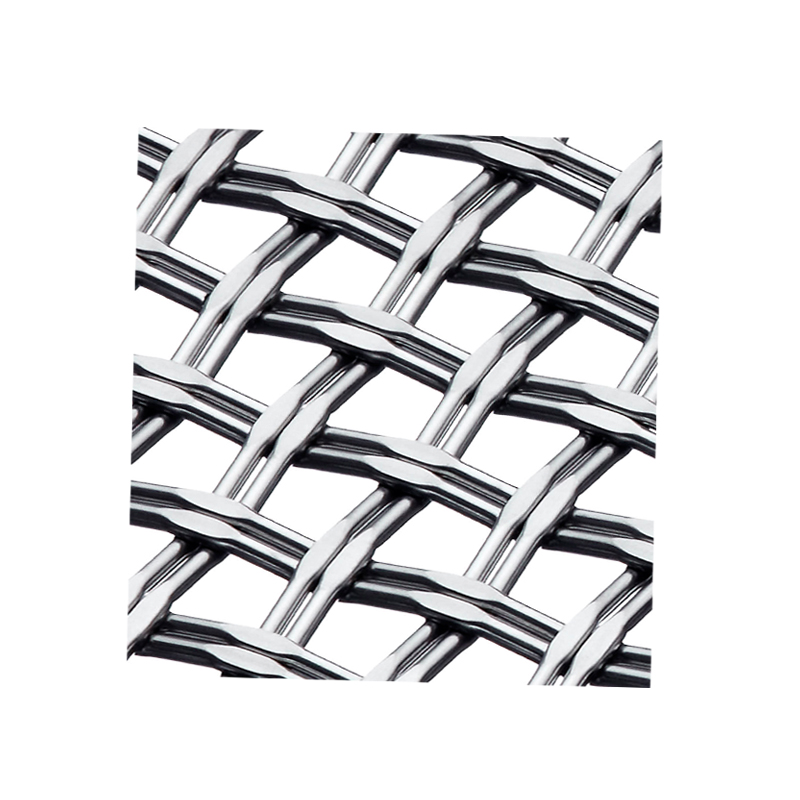
1. What Is 304 Stainless Steel Rope Mesh?
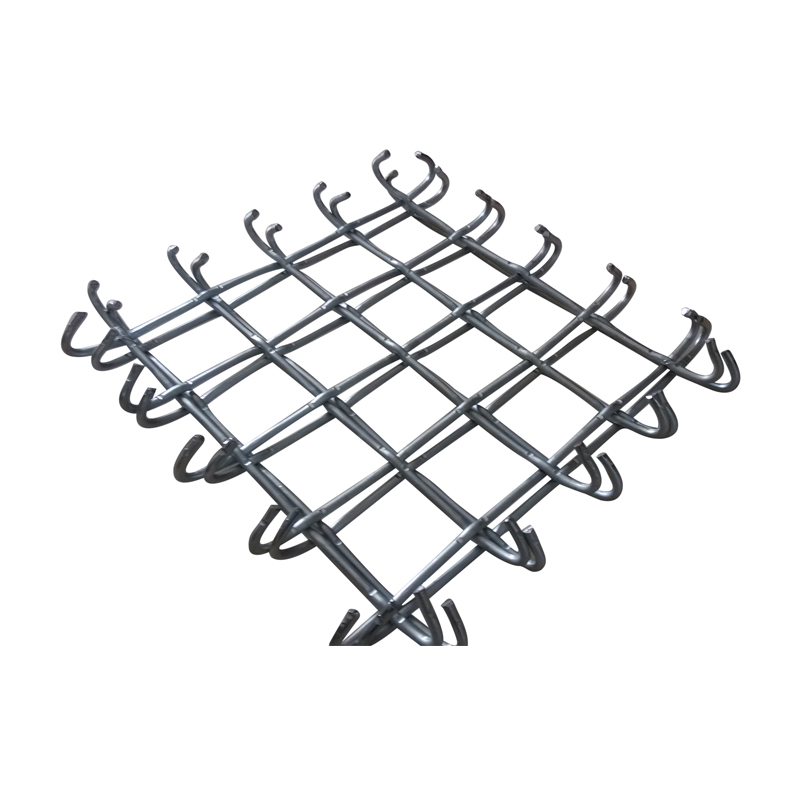
304 stainless steel rope mesh is a flexible metal mesh material made from stainless steel wire ropes using a specialized weaving process. It is commonly known as flexible safety mesh or stainless steel fall protection mesh because of its flexibility, weather resistance, and adaptability to different installation environments.
It is widely used in architectural protection, fall prevention, debris containment, and customized enclosure systems. Its combination of strength, flexibility, and transparency makes it a practical alternative to some rigid protective structures.
2. Material Properties and Mesh Structure
The “304” in 304 stainless steel rope mesh refers to the stainless steel grade used to manufacture the wire ropes. This material offers good corrosion resistance under normal outdoor conditions, including exposure to rain and moisture. For coastal areas with high salt exposure or industrial environments with aggressive corrosive conditions, 316 or 316L stainless steel may be a more suitable option because of its enhanced corrosion resistance.
The manufacturing process typically involves twisting multiple stainless steel wires into wire ropes, commonly using 7×7 or 7×19 constructions, and then assembling the ropes into a mesh through interwoven connections or specialized ferrules.
Common rope diameters range from 1.0 mm to 3.0 mm, while mesh openings can be customized from approximately 25 × 25 mm to 300 × 300 mm, depending on the product design. Mesh panels can also be joined to accommodate different dimensions and installation requirements.
3. Working Principle: Flexible Structure, Distributed Load
Unlike rigid protective structures, such as steel railings, 304 stainless steel rope mesh relies on the principle of localized impact, distributed load transfer, and overall structural support.
When an object or person impacts the mesh, the flexible structure deforms and transfers part of the applied load to surrounding ropes and connection points. This allows a larger portion of the mesh to participate in resisting the load rather than concentrating all the force on a few localized welds.
When properly engineered, this deformation can help absorb and redistribute impact energy, reducing the likelihood of sudden localized failure. However, the actual energy absorption and rebound behavior depend on the mesh configuration, rope construction, connection strength, installation tension, and supporting structure.
The combination of flexibility, tensile strength, and breaking-load resistance makes stainless steel rope mesh suitable for a range of protective applications. Depending on the rope diameter and construction, the breaking load of an individual rope may range from approximately 0.63 kN to 9.04 kN. These figures should be verified against the specific product specifications and test reports.
4. Main Applications of 304 Stainless Steel Rope Mesh
4.1 Falling Object and Debris Protection
One of the most common applications is preventing falling objects and debris from reaching people or equipment below.
In residential communities, schools, kindergartens, light wells, atriums, and along building edges, stainless steel rope mesh can be installed to help contain small falling objects, such as flowerpots, bottles, and loose building materials.
Because the mesh is relatively transparent, it can preserve natural light and visibility better than many solid coverings. For this reason, it is also used in applications where unobtrusive protection is preferred.
4.2 Personnel Fall Protection
Stainless steel rope mesh can be incorporated into protective barriers and containment systems around stairways, balconies, rooftop terraces, pedestrian bridges, and industrial maintenance walkways.
For example, it can be used as an infill panel in railing systems or as part of a professionally engineered fall-arrest net beneath elevated work areas.
Its flexibility may help distribute impact loads across the mesh. However, personnel fall protection must be designed and tested as a complete system, including the mesh, connections, perimeter supports, and anchoring points. Ordinary decorative mesh should not be assumed to provide certified fall protection.
4.3 Large-Span and Irregular-Space Enclosures
In stadiums, amusement parks, zoos, and other facilities requiring large or irregular enclosures, stainless steel rope mesh offers considerable design flexibility.
Its flexible structure can accommodate curved surfaces and customized shapes while maintaining visibility. It can therefore combine practical containment with architectural aesthetics, making it suitable for projects where safety, openness, and appearance are all important.
4.4 Potential Applications in Anti-Drone Physical Protection
Stainless steel rope mesh can also be evaluated for use as a physical barrier in selected anti-drone protection projects.
Potential applications include overhead barriers, protective enclosures around sensitive equipment, and perimeter structures designed to restrict access to designated areas. Its corrosion resistance, customizable mesh openings, and adaptability to supporting frames may be useful in these applications.
However, a rope mesh designed for general architectural or fall protection is not automatically suitable for anti-drone protection. Performance depends on the effective mesh opening, impact loads, deformation, connection strength, installation design, and the characteristics of the target drone.
Before making anti-drone performance claims, the complete protective system should be evaluated under defined test conditions. This includes checking whether the target can pass through the openings and whether the mesh, joints, and supporting structure can withstand the required impact loads.
5. Manufacturer's Guide to Product Selection
As a flexible mesh manufacturer, Zentra can select suitable product specifications according to the intended application, required performance, and installation environment.
For small falling objects: Rope diameters of approximately 1.5–2.0 mm and mesh openings around 50 × 50 mm may be considered as starting points for evaluation. The final selection depends on the size and weight of the objects and the required protection level.
For personnel fall protection or higher-impact applications: Rope diameters of 2.5 mm or above and smaller mesh openings, such as 40 × 40 mm or less, may be evaluated. These dimensions alone do not establish safety performance; the complete system must meet the applicable design and testing requirements.
For corrosive environments: 304 stainless steel may suit many standard outdoor applications, while 316 or 316L stainless steel is worth considering for coastal areas or environments with elevated corrosion exposure.
For anti-drone physical protection: Mesh openings, rope strength, joint performance, supporting structures, and system-level impact resistance should be assessed together. Product specifications should be selected according to the project requirements rather than relying on rope diameter alone.
6. Why Choose Customized Stainless Steel Rope Mesh?
304 stainless steel rope mesh combines flexibility, corrosion resistance, structural adaptability, and visual transparency. Its customizable rope diameters and mesh openings make it suitable for a wide range of architectural, industrial, and protective applications.
For buyers and project contractors, the key is to match the mesh design to the intended use, environmental conditions, installation method, and required safety performance.
YHY provides customizable stainless steel rope mesh solutions for different project requirements. By working with customers to determine suitable materials, mesh openings, dimensions, and installation configurations, YHY aims to support reliable, durable, and application-specific mesh solutions.