Wall plastering is a process in construction and renovation where a mortar mix is applied to concrete or brick walls. Beyond providing protection against wind, moisture, and heat loss, it creates a prepared surface for subsequent steps such as putty application, painting, or tiling.
1. The relationship between wall plastering and steel mesh, and the purpose of using steel mesh in plastering projects:
1) Building walls are often composed of different materials, such as concrete and brick. Steel mesh is primarily used at the junctions between these materials—for instance, where concrete structures meet aerated concrete blocks or red brick walls. By securing these materials together, the steel mesh helps form a cohesive unit, preventing the plaster from cracking, delaminating (forming hollow spots), or detaching.
2) Steel mesh enhances the bond between the plaster layer and the wall substrate, preventing the plaster from detaching or forming hollow spots due to its own weight or shrinkage.
3) Even when a wall is constructed from a single material, steel mesh is required if the plaster layer exceeds 35mm in thickness; this helps prevent surface cracking. Additionally, in areas subject to high pressure, steel mesh provides essential structural support, further preventing delamination or detachment.
4) Steel mesh must be installed in areas prone to stress concentration, such as where channels have been cut for utility lines (conduits/pipes) or around door and window openings. 5) For exterior walls—which must withstand complex environmental factors like wind pressure, vibrations, and temperature fluctuations—steel mesh is typically required if the insulation layer is to be covered with ceramic tiles or stone cladding. If the exterior is to be finished with latex paint, an alkali-resistant mesh fabric is used instead.
2. Specific application methods and considerations for steel mesh:
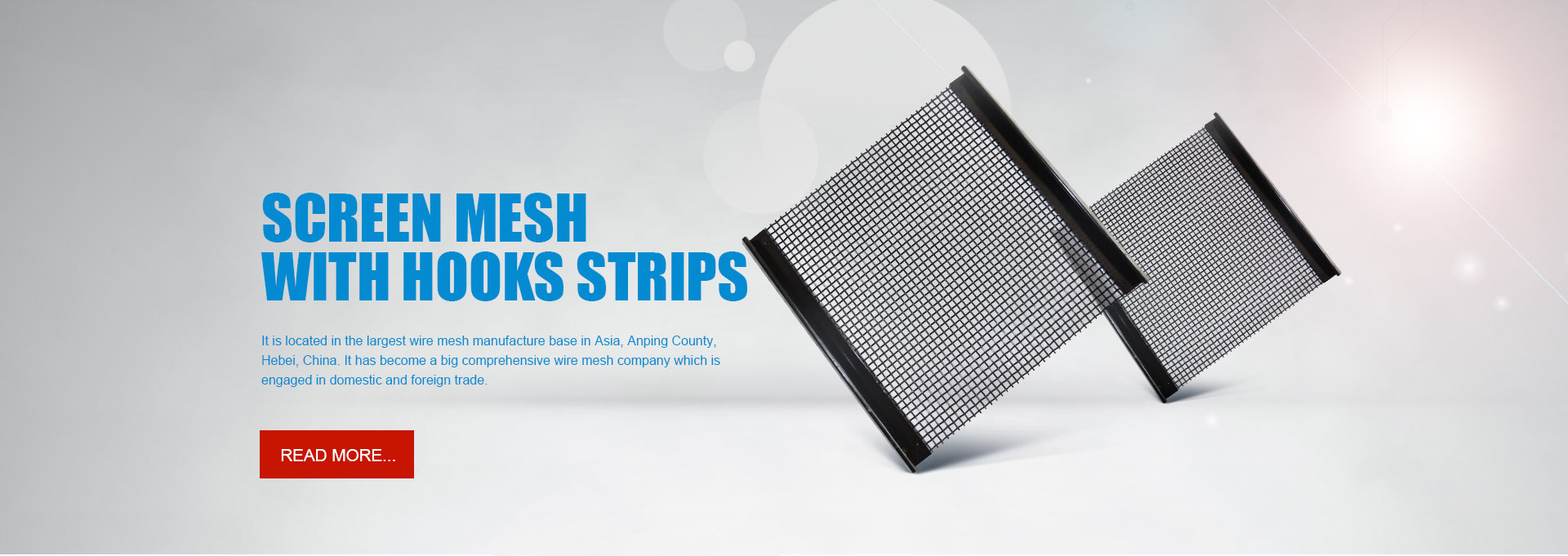
1) During plastering for both interior and exterior walls, anti-cracking reinforcement materials—specifically hot-dip galvanized steel mesh—must be installed at the junctions of different materials. This type of mesh offers excellent toughness, features a thick protective coating, and provides strong resistance against corrosion and rust. 2) The overlap width between the wire mesh and the walls on both sides must be at least 100 mm (i.e., 100 mm on each side). The spacing between fixing points must not exceed 300 mm, and the mesh must be fully embedded in the mortar with no parts left exposed.
3) Due to its inherent elasticity, wire mesh does not easily lie flat against the wall surface. During installation, ensure the wire mesh remains flat and secure it firmly in place using insulation fasteners.