With the rapid development of cities, elevated roads and interchanges have become essential infrastructure for alleviating traffic congestion. However, the constant flow of vehicles generates traffic noise, which can disrupt the daily lives, studies, and rest of residents living nearby. Sound barriers—installed along the sides of elevated bridges specifically to mitigate traffic noise—serve as an indispensable component of urban environmental protection efforts.
The primary function of these sound barriers is to block and attenuate traffic noise. As vehicles travel, they produce noise from engines, tire-road friction, braking, and horns. Sound barriers address this through two mechanisms: sound insulation and sound absorption. Insulating panels block the direct transmission of sound waves, while sound-absorbing materials convert acoustic energy into heat. By reducing the intensity of noise reaching residential areas, these barriers effectively minimize the impact on sensitive locations—such as homes, schools, and hospitals—ensuring a quieter environment for those nearby.
Furthermore, sound barriers help optimize the urban living environment, safeguarding the physical and mental well-being of residents. Long-term exposure to high-decibel traffic noise can lead to issues such as insomnia, irritability, and reduced concentration; it can also hinder the recovery of the elderly, children, and those who are ill. By keeping noise levels within a reasonable range, sound barriers reduce health risks, allowing residents living near elevated roads to rest properly and enhancing their overall quality of life.
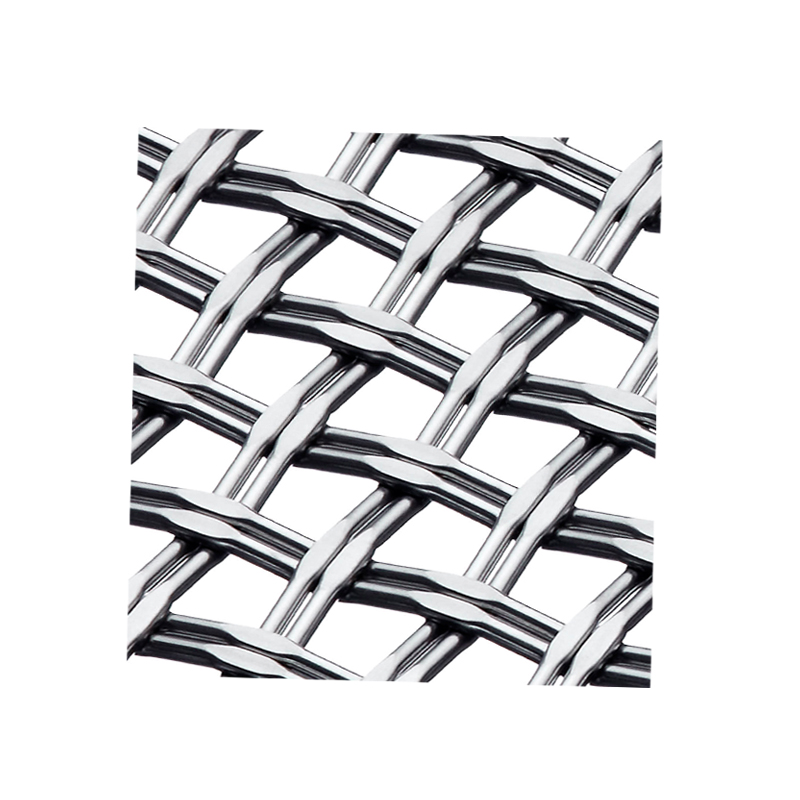
In terms of urban landscape design, sound barriers also contribute to the aesthetic appeal of the city. Modern sound barriers are no longer limited to monotonous, opaque panels; they can be constructed from various materials—such as transparent acrylic or colored metal—and feature diverse shapes, patterns, and color schemes. Transparent designs ensure that views remain unobstructed, preventing the elevated road from appearing as a stark, imposing wall. When integrated with surrounding architecture and greenery, these barriers soften the industrial feel of the infrastructure, balancing noise reduction with visual harmony.
Additionally, sound barriers for elevated bridges provide supplementary protective functions. Sound barriers installed along the edges of bridges can, to a certain extent, contain debris accidentally shed from vehicles and prevent objects from falling from elevated structures, thereby safeguarding pedestrians and vehicles below. Certain designs also provide wind protection, mitigate intense light and glare, and reduce light disturbance caused by vehicle headlights to residents living nearby at night.
Furthermore, sound barriers contribute to the sustainable development of urban transportation. While the construction of elevated roads is an inevitable aspect of urban growth, sound barriers serve as essential supporting infrastructure to meet environmental protection requirements. By mitigating noise, they alleviate environmental conflicts arising from road construction and reduce disputes over traffic-related noise, fostering a harmonious coexistence between urban transport infrastructure and a livable, ecological environment.
In short, sound barriers on elevated bridges are more than just simple noise-dampening walls. Centered on noise reduction while also providing safety protection and aesthetic enhancement, they strike a balance between urban transport development and the needs of residents. Quietly safeguarding the tranquility of the city, these environmental facilities represent a key component of modern urban development—one that reconciles progress with the well-being of the public.