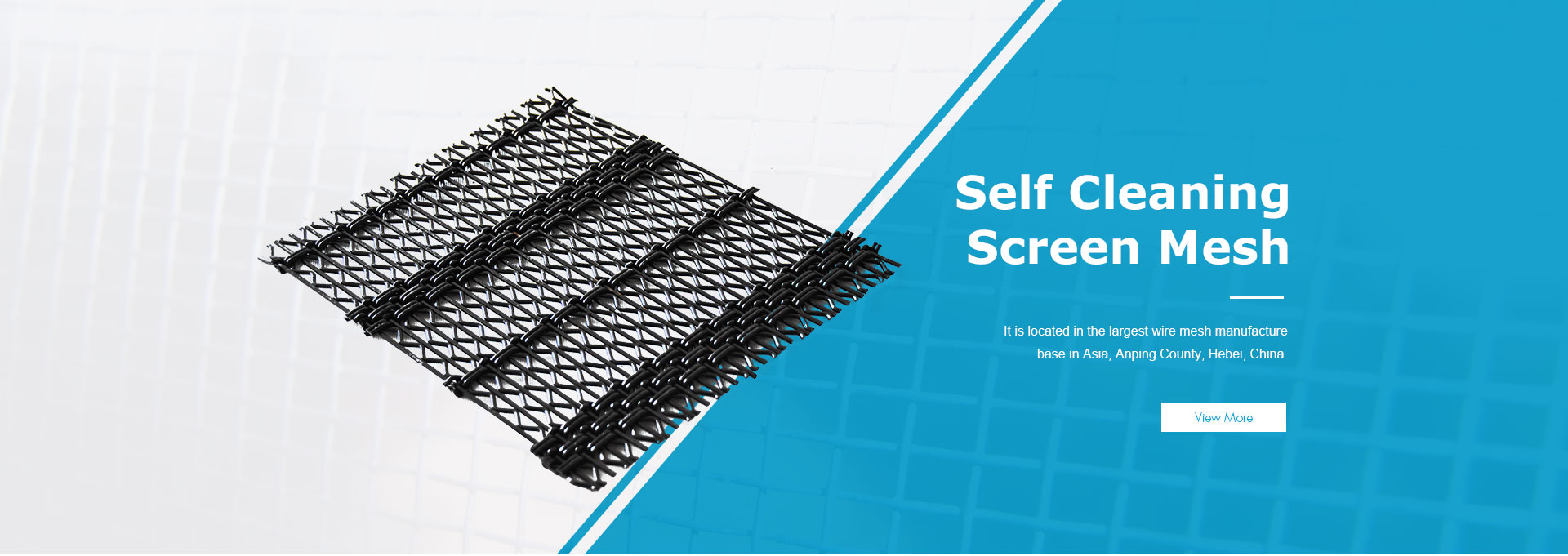
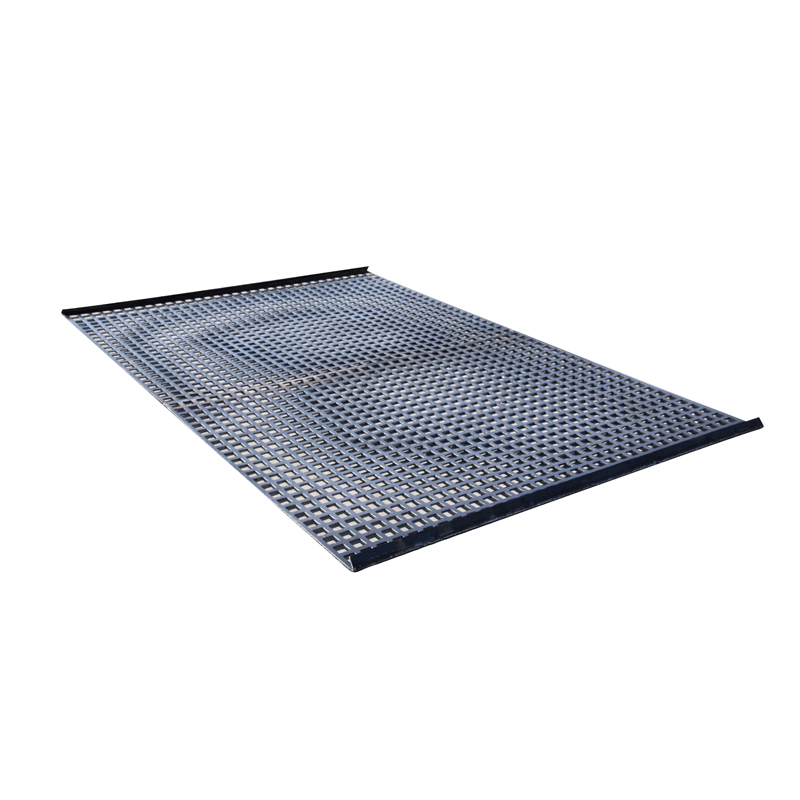
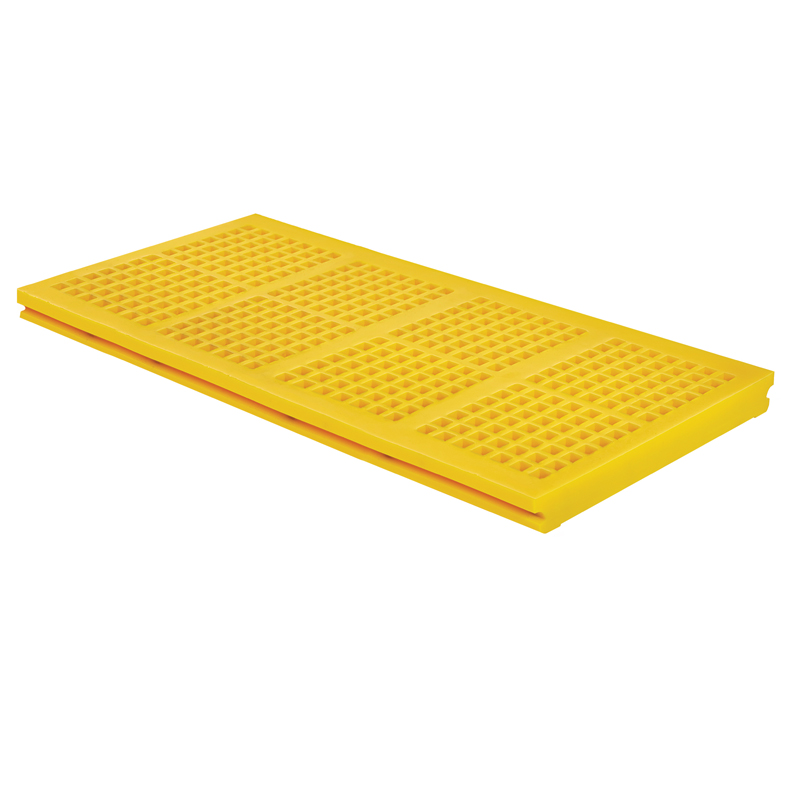
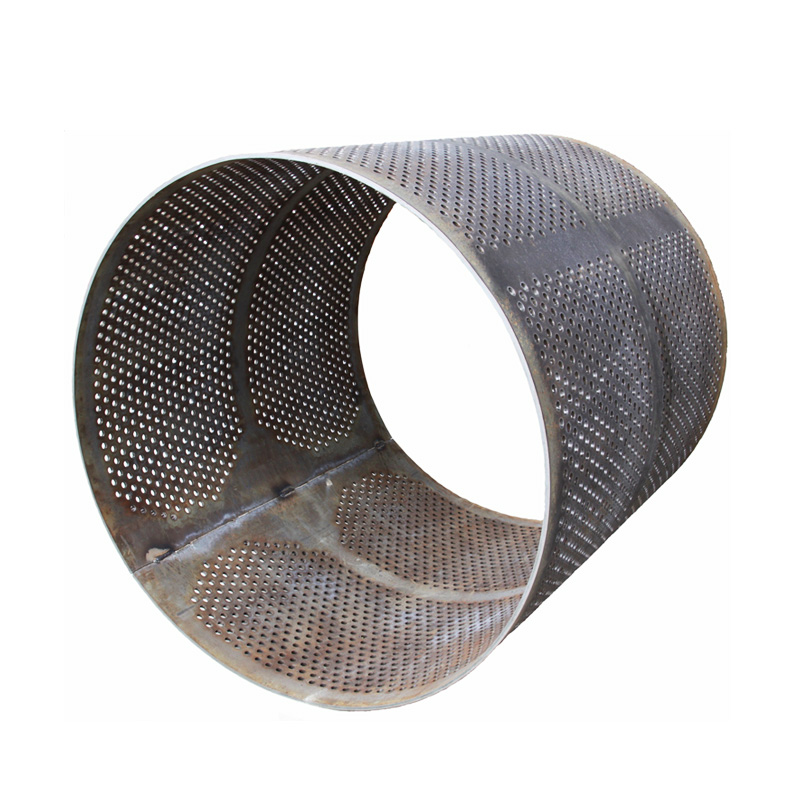
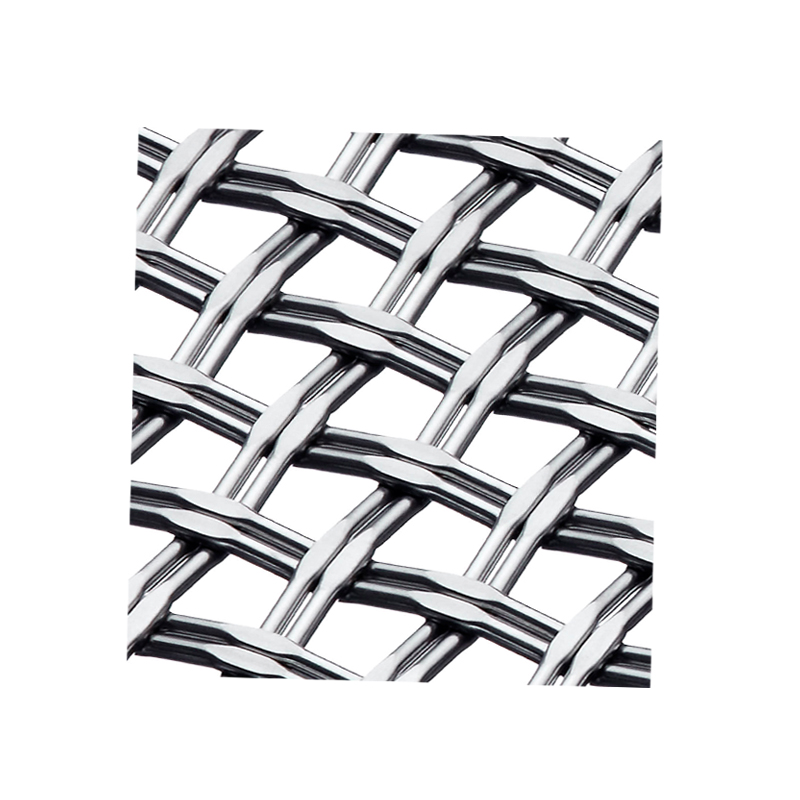
Crimped wire mesh (also known as "crimped woven wire mesh") is a mesh structure made from metal wire (or non-metal wire) through a "crimping + weaving" process. Its core characteristics are uniform mesh size, high tensile strength, and structural stability. It is widely used in mining, screening, protection, and aquaculture. Its production process revolves around four core stages: "wire pretreatment → crimping → weaving → post-treatment." Different materials (such as low-carbon steel, stainless steel, iron wire, and plastic wire) and applications will have differences in the details of the process. The specific process is as follows:
I. Wire Pretreatment: Laying the Foundation and Ensuring Wire Performance
The quality of crimped wire mesh depends primarily on the stability of the wire. The core of pretreatment is to remove impurities and adjust the hardness of the wire to prevent breakage and deformation during subsequent crimping or weaving.
Wire Selection: Select the appropriate wire material and specifications based on the intended use. — General Screening/Protection: Low-carbon steel wire, black iron wire (low cost, moderate tensile strength); Corrosion-resistant applications: Stainless steel wire (304/316 material, acid and alkali resistant); Lightweight applications: Plastic wire (PP/PE material, waterproof and moisture-proof); Wire Diameter: Commonly 0.3mm~12mm; the larger the mesh size and the higher the load-bearing requirements, the thicker the wire diameter.
Rust Removal: For metal wires (especially black iron wire and low-carbon steel wire), remove surface oxide scale and rust through "pickling → washing → neutralization → drying" to prevent rusting from affecting the mesh's lifespan during subsequent use. Stainless steel wire can omit pickling, only water washing is required for dust removal.
Pulling and Straightening: Pull the wire to a precise diameter using a wire drawing machine (ensuring wire diameter uniformity ≤ ±0.05mm), and simultaneously use a straightening machine to remove wire curvature, ensuring wire straightness and laying the foundation for uniform mesh size during subsequent crimping and weaving.
Annealing (optional): For high-hardness wires (such as high-carbon steel wire), heating to 600~800℃ in an annealing furnace and holding at that temperature before cooling reduces the wire's hardness, increases its flexibility, and prevents brittleness during rolling.
II. Crimping: Core Process, Shaping the Wire's Textured Structure
The key feature of crimped wire mesh is the regular "textured" surface (crimping). This step not only enhances the wire's friction (preventing material slippage during screening) but also improves its structural strength. The process is divided into "single-wire crimping" and "double-wire crimping": Crimping Equipment: The core is the "crimping machine," which consists of two sets of upper and lower rollers with textured patterns (the rollers are made of alloy steel, wear-resistant and high-temperature resistant).
Crimping Process: Pre-treated straight filaments are fed uniformly between rollers via a feeding device. The rollers apply pressure via hydraulic or mechanical transmission, pressing continuous raised and recessed textures onto the filament surface (common textures include diamond, wavy, and diagonal patterns; custom designs are available upon request). The calendering pressure (typically 0.5~5MPa) and roller speed (10~50r/min) are controlled to ensure uniform texture depth (generally 10%~30% of the filament diameter) and to prevent breakage or excessive deformation of the filament.
Special Treatment: For applications requiring high friction (such as screening pebbles in mines), a "secondary calendering" process can be added to make the surface texture clearer and the raised areas higher.
III. Weaving and Forming: Interlacing into a Net and Fixing Mesh Size
The embossed wire is interlaced into a net using a weaving machine. The key is to ensure consistent mesh size and strong nodes. The weaving method is mainly "warp and weft weaving," divided into two categories: "overlock weaving" and "plain weave."
Weaving Equipment: Specialized embossed wire mesh weaving machines (manual, semi-automatic, and fully automatic; large-scale production mainly uses fully automatic machines, with an efficiency of 10~30㎡/h).
Weaving Process:
* **Warp Arrangement:** The embossed yarns are used as "warp yarns" (longitudinal yarns) and evenly arranged on the weaving machine via a warp beam. The warp yarn spacing is preset according to the mesh size (common mesh sizes: 1mm×1mm~50mm×50mm; larger mesh sizes can be customized for special applications).
* **Weft Interweaving:** Another set of embossed yarns is used as "weft yarns" (transverse yarns) and interwoven with the warp yarns via the shuttle or needle array of the weaving machine in a "one up, one down" (plain weave) or "multiple up, multiple down" (overlock weave) pattern to form a mesh structure.
* **Node Fixing:** During weaving, mechanical pressure is used to ensure a tight fit between the warp and weft yarn nodes, eliminating the need for welding (slight spot welding may be used for reinforcement in some heavy-duty applications), ensuring the mesh does not loosen.
* **Mesh Width Control:** The warp yarn arrangement width of the weaving machine is adjusted according to requirements. Standard embossed mesh widths are 0.5~6m. Extra-wide meshes (e.g., 8m and above) require "spliced weaving," with the splices fixed using bolts or clips.
IV. Post-processing: Enhancing Performance and Adapting to Different Scenarios
The semi-finished woven mesh requires post-processing to enhance corrosion resistance, wear resistance, or aesthetics. Specific processes are selected based on the wire material and intended use:
Rust Prevention Treatment (Core of the Metal Mesh):
Zinc Plating: Divided into "hot-dip galvanizing" and "cold galvanizing"—Hot-dip galvanizing (immersing the mesh in molten zinc at approximately 450℃, zinc layer thickness 80~150μm, strong corrosion resistance, lifespan 5~10 years); Cold galvanizing (electro-galvanizing, zinc layer thickness 10~30μm, low cost, lifespan 2~3 years);
Powder Coating: Spraying epoxy resin or polyester powder onto the galvanized mesh, baking and curing at 200~220℃ to form a colored coating (common colors: black, white, green, blue), not only providing rust prevention but also adapting to decorative scenarios (such as fencing);
Dip Coating: Immersing the mesh in molten PVC or PE plastic to form a plastic coating (thickness...) (0.5~2mm), suitable for humid environments (such as aquaculture nets, aquatic enclosures).
Cutting and Trimming: According to customer needs, the woven large sheets of netting are cut to specified sizes (e.g., 1m×2m, 3m×5m) using a shearing machine. The edges are trimmed (removing burrs and excess wire) to prevent scratches during use.
Inspection and Packaging:
Quality Inspection: Check mesh size (error ≤ ±0.1mm), wire diameter uniformity, node firmness, and coating adhesion (through cross-cut test).
Packaging: Small netting sheets are wrapped in waterproof paper or plastic film; large netting is rolled into a cylindrical shape and secured with woven bags or sheet metal to prevent deformation and wear during transportation.
V. Special Process Variations (For Customized Needs)
Heavyweight Crimped Wire Mesh: Used in heavy-duty applications such as mines and ports. Its characteristics include "coarse wire diameter (6~12mm) + thick galvanized layer (≥120μm) + spot welding at joints." Mesh openings are typically large, ranging from 10~50mm, and tensile strength can reach 500~800MPa.
Stainless Steel Crimped Wire Mesh: The galvanizing step is omitted; instead, a "passivation treatment" is added (immersing the mesh in a passivation solution to form an oxide film, enhancing corrosion resistance). Suitable for food and chemical industries.
Plastic Crimped Wire Mesh: The wire material is PP/PE. Pre-treatment omits rust removal and galvanizing; it is directly crimped and woven. Post-treatment can include UV-resistant spraying (extending outdoor service life). Suitable for greenhouses and livestock fencing.
Summary of Key Processing Points:
* **Wire Pretreatment:** Uniform wire diameter, rust-free, and sufficient flexibility are essential to prevent breakage during embossing and uneven mesh weaving.
* **Embossing:** The depth and uniformity of the embossing directly affect the mesh's friction and strength.
* **Firm Weaving Joints:** Mechanical pressure is used to ensure the joints don't loosen when welding is not required.
* **Post-Processing Suitable for Different Scenarios:** Hot-dip galvanizing is preferred for metal mesh (corrosion resistance), powder coating for decorative mesh (aesthetics), and dip coating for humid environments (waterproof).