Distinguishing Quality Differences in Diamond Mesh and Security Window Screens
Jul. 30, 2026
Distinguishing the Quality of Security Mesh:
1. **Material:** Some security meshes are not even made of 304-grade stainless steel. Genuine 304 stainless steel contains 8% nickel and over 17% chromium, whereas inferior products may contain very little nickel or none at all (such as 201 stainless steel). Nickel is extremely expensive, making it a major factor in production costs. Using inferior materials significantly shortens the lifespan of security screen doors and windows.
2. **Wire Diameter:** Some security meshes have insufficient wire diameters, resulting in significantly lower weight. While this reduces manufacturing costs, it compromises the mesh's effectiveness as a security barrier, leading to a much lower price point.
3. **Powder Coating:** Using indoor-grade powder results in a lower price, but security mesh requires outdoor-grade powder. Poor-quality coating is characterized by missed spots and powder that flakes off easily. High-quality coating is uniform, free of missed spots, and resistant to scratching or peeling. Crucially, the raw mesh must be cleaned and polished before coating; proper preparation ensures the powder adheres better—extending the product's lifespan—and results in a glossier finish.
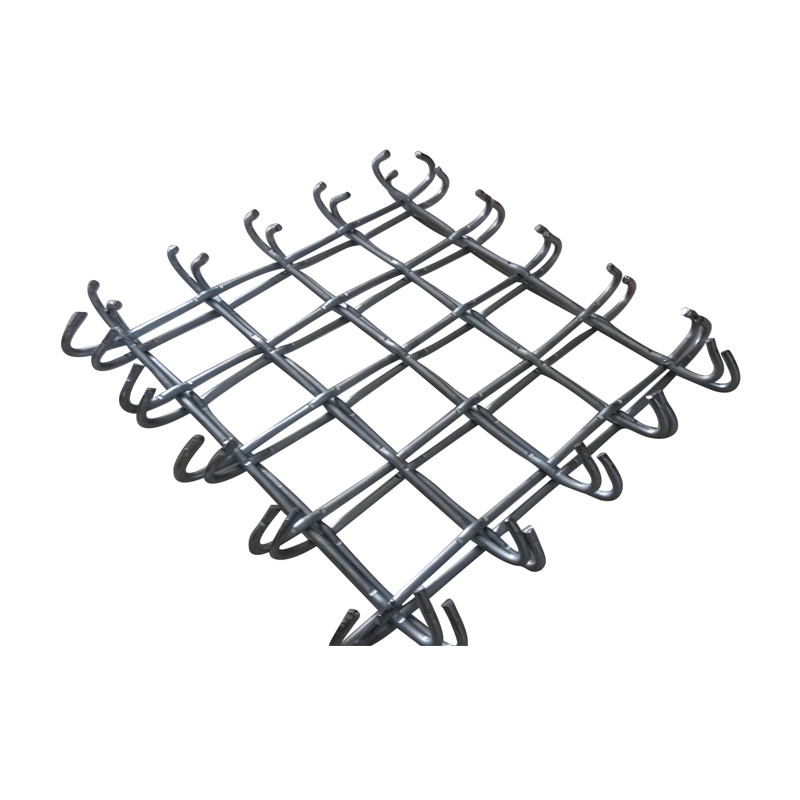
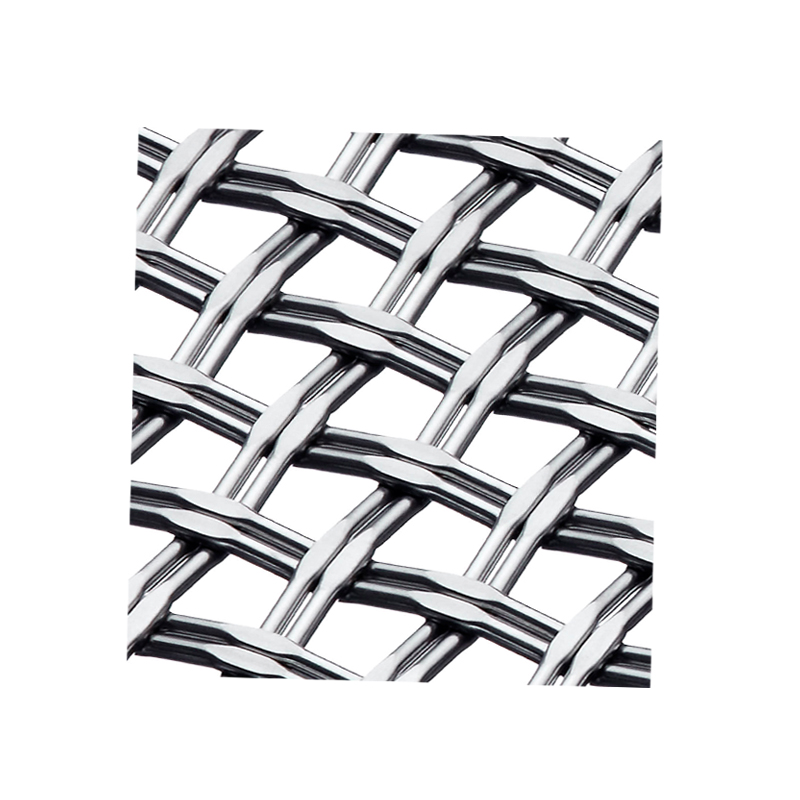
4. **Weaving Method:** Production requires heavy-duty weaving machines. Plain-weave mesh features a smooth surface; it is difficult to manufacture and costly to produce. Crimped-weave mesh has a rough surface; it is easier and cheaper to manufacture but is never used for high-end screen windows. Its rough texture and uneven surface detract from the product's aesthetic appeal.