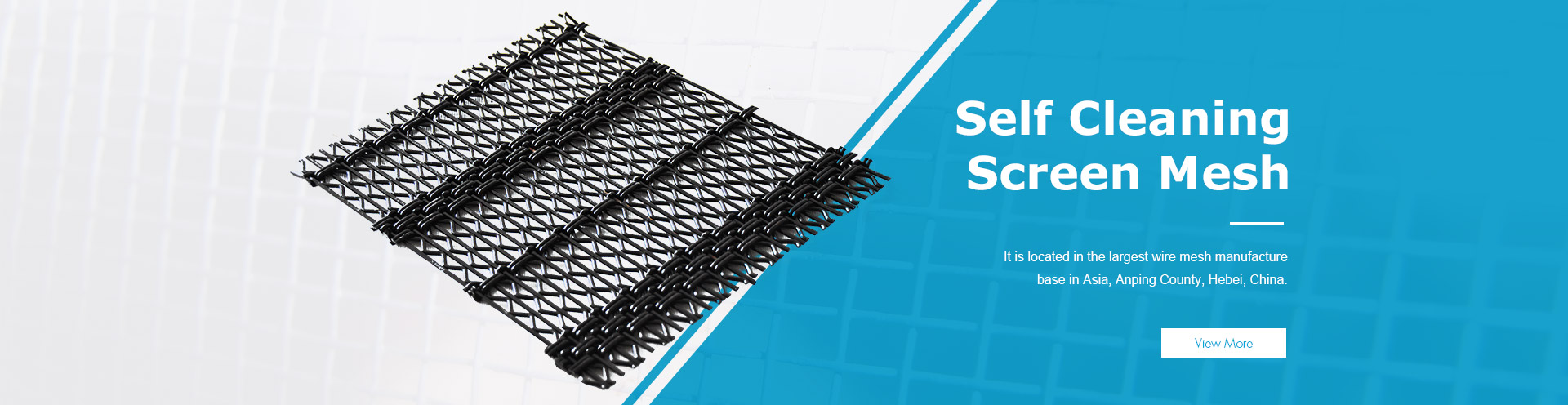
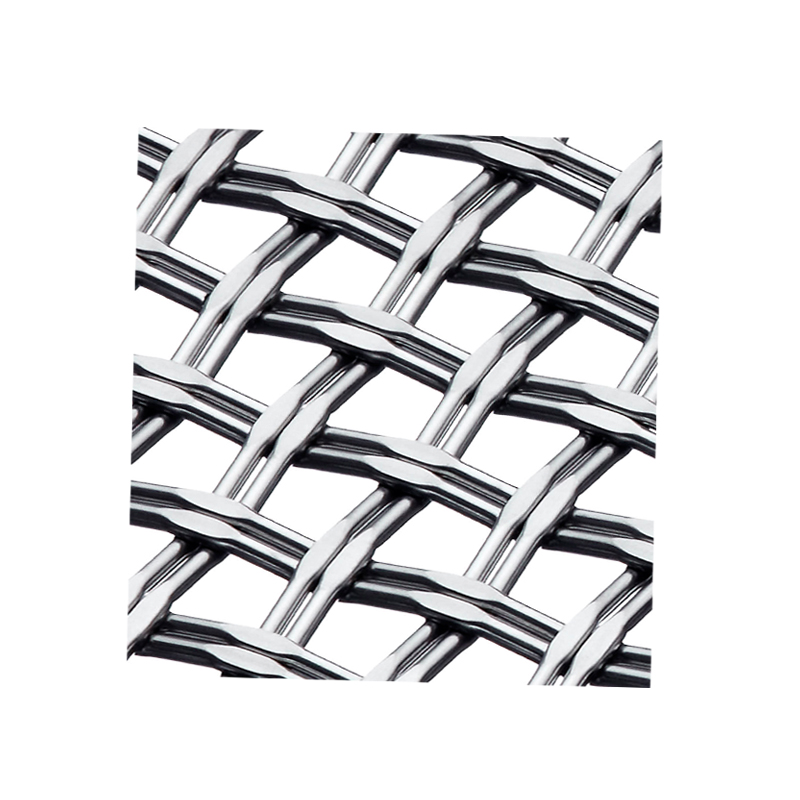
Alkali-resistant fiberglass mesh—also simply referred to as "fiberglass mesh"—is a woven fabric made from medium-alkali or alkali-free (E-glass) fiberglass, which is then treated with an alkali-resistant coating. Characterized by high strength and excellent alkali resistance, this mesh plays a crucial structural role in thermal insulation systems, primarily by preventing the formation of cracks. It is widely used for wall reinforcement, exterior wall insulation, and roof waterproofing. It also serves to reinforce materials such as cement, plastics, asphalt, marble, and mosaic, making it an ideal engineering material for the construction industry.
Thanks to its superior resistance to chemical corrosion (from acids and alkalis) and its high tensile strength in both the warp and weft directions, the mesh allows stresses within an exterior thermal insulation system to be distributed evenly. It prevents the entire insulation structure from deforming due to external impacts or compression, thereby providing the insulation layer with high impact resistance. Furthermore, it is easy to install and facilitates quality control, effectively acting as a "soft steel reinforcement" within the insulation system.
Advantages: Produced using medium-alkali or alkali-free fiberglass fabric as a base, the mesh is treated with an acrylic copolymer adhesive. It offers high strength, excellent resistance to alkalis and acids, and strong adhesion to resins. It dissolves readily in styrene, possesses excellent rigidity, and maintains its structural positioning well. It is primarily used as a reinforcing material for cement, plastics, asphalt, roofing, and walls. It is particularly well-suited for GRC (glass fiber reinforced concrete) pre-laying, manual plastering, or mechanized molding processes, and is especially ideal for on-site exterior wall insulation projects.
According to current national technical standards for exterior thermal insulation systems (JG149-2003), the alkali-resistant tensile breaking strength of the fiberglass mesh (in both warp and weft directions) must be no less than 750 N/50 mm. The retention rate of this tensile breaking strength after alkali exposure must be at least 50%, and the weight of the mesh must be ≥ 130 grams per square meter. According to (JG158-2004): The alkali-resistant tensile breaking strength of the fiberglass mesh in both the warp and weft directions must be no less than 1250 N/50 mm; the retention rate of this alkali-resistant tensile breaking strength must be at least 90%; and the weight per square meter must be ≥ 160 grams.