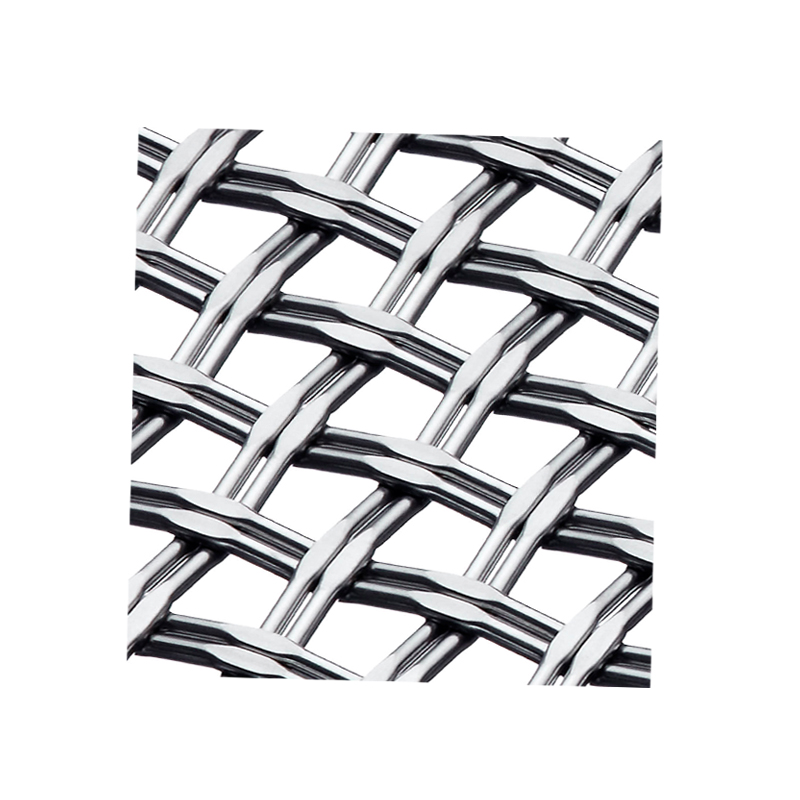
Barbed wire is a widely used protective facility in fencing, border defense, and other fields. Its main feature is that it consists of numerous sharp, blade-like objects. When a person or animal approaches, these blades pierce the skin, causing pain and preventing further approach. This design not only has a strong deterrent effect but also offers certain environmental benefits.
First, the production of barbed wire consumes a significant amount of resources. Traditional barbed wire is typically made of metal, and the mining and processing of metal resources generates substantial carbon emissions and other environmental pollution problems. In contrast, modern barbed wire is made of plastic or other non-metallic materials, whose production processes are more environmentally friendly and cause relatively less environmental damage.
Second, barbed wire has a long service life and can be reused multiple times. Traditional barbed wire has a short lifespan due to its materials and requires frequent replacement. Modern barbed wire uses more durable materials and maintains good performance even after prolonged use. This means that barbed wire generates less waste during use and has a smaller environmental impact.
Finally, barbed wire does not produce toxic substances during installation and use. Traditional barbed wire may release harmful substances during installation and use, posing a threat to human health. Modern barbed wire, made of plastic or other non-metallic materials, does not produce any harmful gases or liquids, thus posing no health risks during use.
In summary, barbed wire has significant advantages in terms of environmental performance. Compared to traditional protective measures, modern barbed wire is more environmentally friendly in its production process, has a longer service life, and does not produce toxic substances, thus exhibiting superior environmental performance in practical applications.