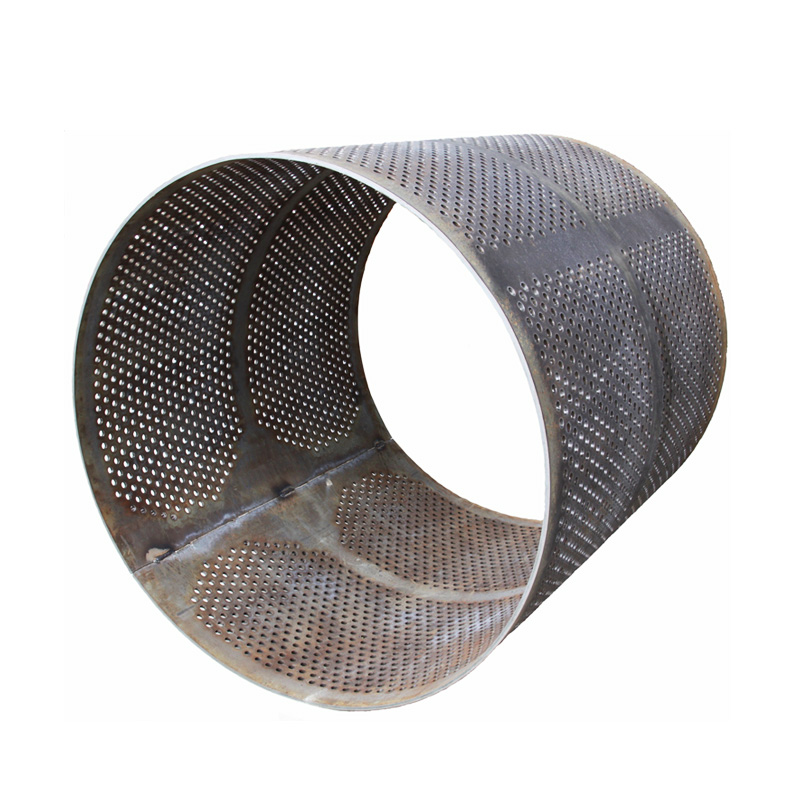
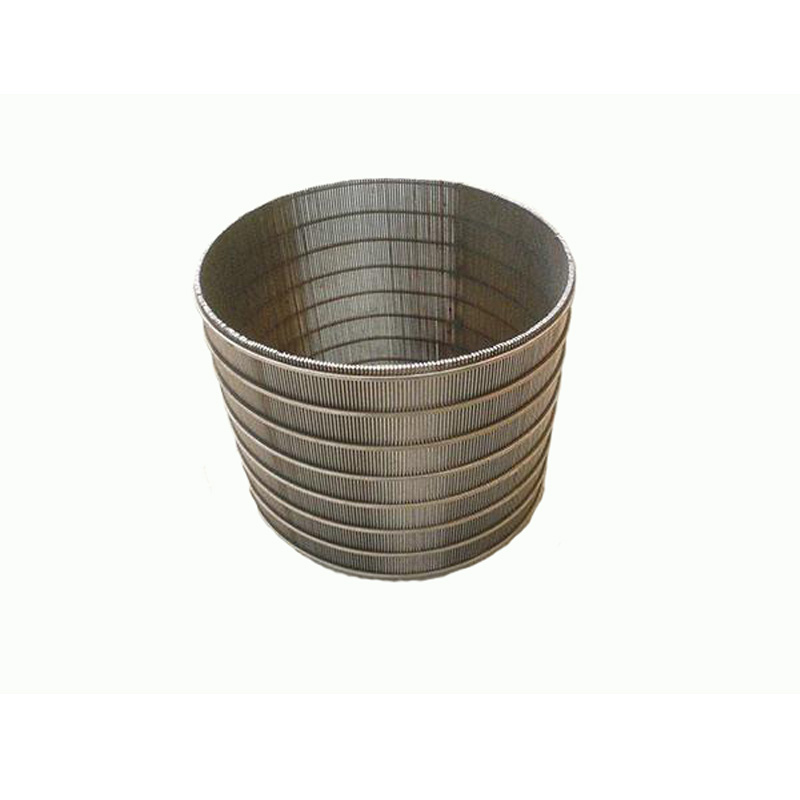
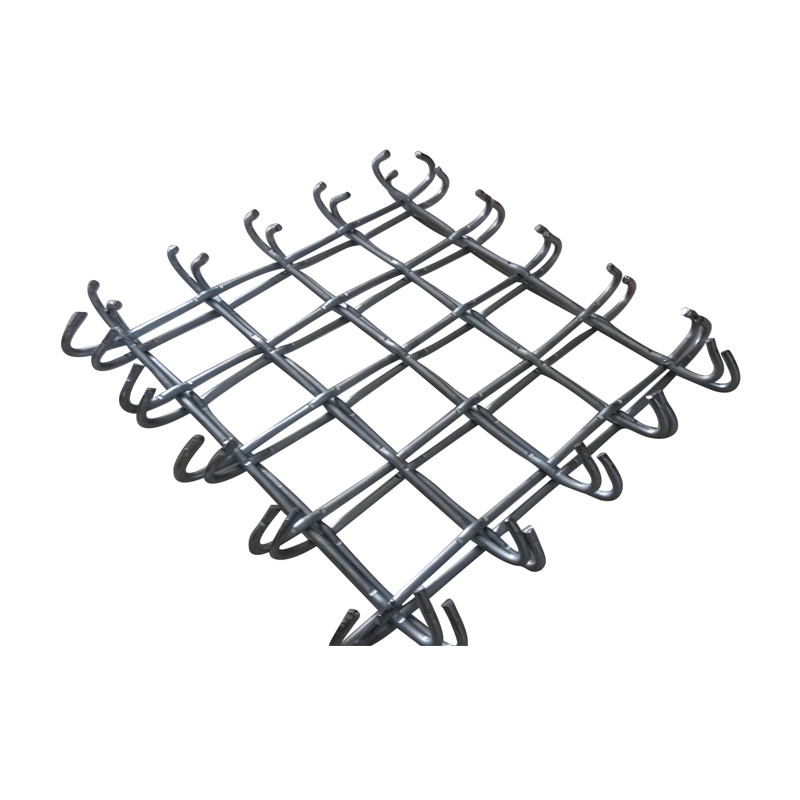
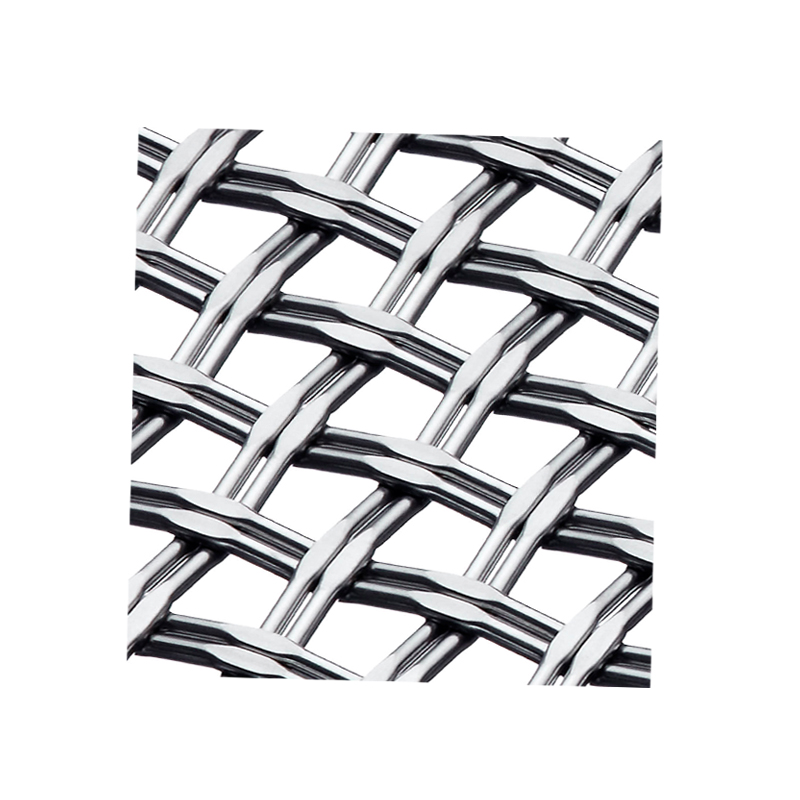
Choosing the appropriate aperture size to meet specific filtration or screening needs is a comprehensive decision-making process that requires consideration of multiple factors. Here are some key steps and suggestions:
I. Define Filtration or Screening Objectives
1. Determine Material Characteristics: Understand the particle size, shape, hardness, moisture content, and other characteristics of the material. These characteristics will directly affect the selection of the screen aperture. For example, smaller-sized, regularly shaped materials can be screened with smaller apertures; while larger-sized or irregularly shaped materials require larger-aperture screens.
2. Determine Screening Accuracy: Based on production requirements, determine the required screening accuracy. Coarse screening typically uses larger-aperture screens, while fine screening requires smaller-aperture screens.
II. Consider Screening Efficiency and Lifespan
1. Screening Efficiency: Smaller-aperture screens can improve screening accuracy but may reduce screening efficiency; larger-aperture screens have higher screening efficiency but lower screening accuracy. A balance needs to be found between accuracy and efficiency.
2. Screen Lifespan: Screens with smaller apertures may have a shorter lifespan due to clogging, while screens with larger apertures are more durable. The expected lifespan of the screen should be considered when selecting the aperture size.
III. Combining Production Line and Equipment Specifications
1. Production Line Environment: Arrange the screen plate placement sequence appropriately and select the optimal screen plate slotting pattern to maximize screening efficiency and product quality.
2. Equipment Specifications: Ensure the selected screen aperture size matches the equipment's processing capacity. The size and production capacity of the equipment will also affect the selection of the screen aperture size.
IV. Referring to Practical Application Cases
1. Finding Similar Cases: Find screening or filtration cases with similar requirements to your current needs and understand the screen aperture size and screening effect they used.
2. Learning from Experience: Based on the experience and data from the case studies, adjust and optimize according to the actual situation to determine the most suitable screen aperture size for your current needs.
V. Conducting Experimental Verification
1. Preliminary Selection: Based on the above steps, initially select several possible screen aperture sizes.
2. Experimental Verification: Verify the screening effect and efficiency of the selected screen aperture through actual experiments. Small-scale experimental devices can be constructed to conduct screening tests using different screen apertures, observing and recording the results.
3. Optimization and Adjustment: Based on the experimental results, optimize and adjust the screen aperture to achieve the best screening effect and efficiency.
In summary, selecting a suitable aperture size requires comprehensive consideration of multiple factors, including material characteristics, screening accuracy, screening efficiency and lifespan, production line and equipment specifications, and practical application cases. Optimizing and adjusting the selected screen aperture through experimental verification is a crucial step in ensuring effective screening.