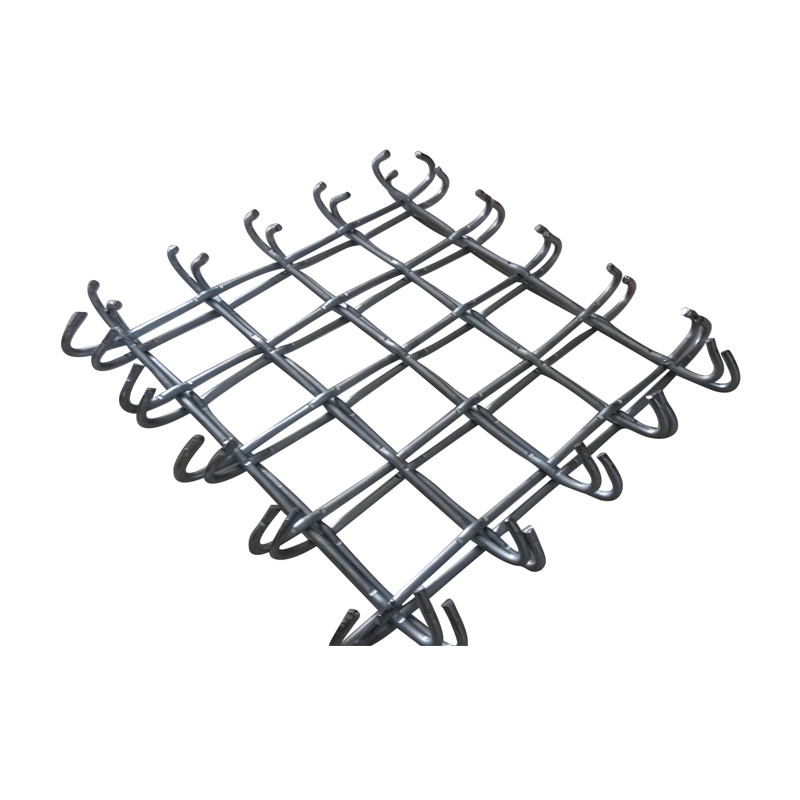
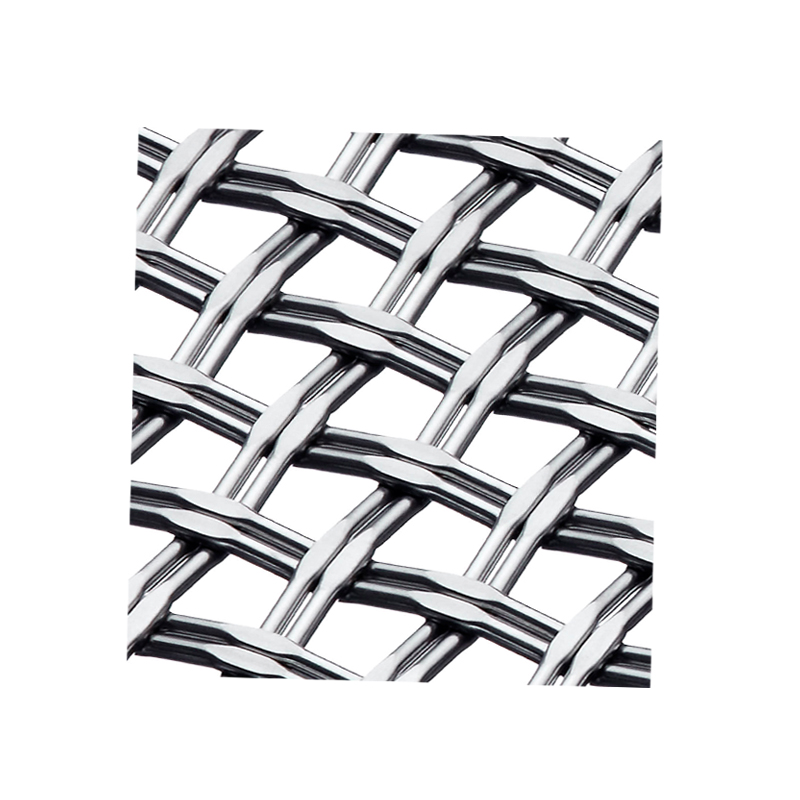
Reservoirs, subjected to wind and rain erosion and river scouring over time, are at risk of bank collapse. Gabion netting can be used to prevent this.
Depending on the nature of the bank collapse, due to differences in the geological conditions of the reservoir shoreline, different types, scales, and mechanisms of collapse occur. Therefore, bank collapse control projects should be highly targeted, avoiding indiscriminate implementation or the adoption of only one type of prevention measure. A comprehensive approach is needed, addressing the specific problem.
Gabion netting can be used for embankment protection or to protect the entire riverbed and riverbank, and is particularly suitable for river channels with relatively gentle original slopes. The design low water level serves as the boundary, with the upper part for slope protection and the lower part for toe protection. Slope protection engineering involves modifying the original bank slope before laying a protective filter layer and an ecological gabion mattress structure to prevent damage to the bank surface from water erosion, wave impact, water level changes, and groundwater infiltration. Toe protection engineering uses erosion-resistant materials laid on the underwater riverbed near the toe of the slope to form a protective layer, preventing water erosion and protecting the bank's foundation. The biggest advantage of gabion mesh is its ecological nature; it is filled with natural stones with gaps between them, allowing plants to grow within them. Suitable plants can also be selectively sown, providing the dual benefits of engineering slope protection and vegetation-based slope protection.
A vegetation construction plan should be developed according to the design documents, taking into account local soil type, soil layer thickness, cross-sectional type, overall stability, slope, light characteristics, altitude, climate conditions, and landscape requirements. The construction techniques for the gabion mattresses and cages should be adjusted accordingly.
Suitable vegetation species should be selected based on local soil type, soil layer thickness, climate conditions, and landscape requirements. For herbaceous plants in the above-water areas, drought-tolerant grasses and legumes should be selected. Mixed grass species should consist of multiple species (15-20) or a large quantity of seeds (30-50 g/m²). For underwater areas, aquatic plants are preferable. In areas with fluctuating water levels, water-tolerant plants are preferred. In extremely arid regions, drought-resistant, heat-tolerant, and tolerant of poor soil should be given priority.
After sealing gabion mattresses and gabion boxes, the top empty space should be filled with loam. For gabion mattresses or gabion boxes requiring vegetation, the top 20cm of filling material should be mixed with nutrient-rich soil, and the soil level should be approximately 5cm above the top frame of the gabion box.
Vegetation maintenance methods should be developed and implemented according to the characteristics of the grass or shrub species. In arid areas, extra attention must be paid to watering and fertilization to ensure the vegetation can take root and grow densely.