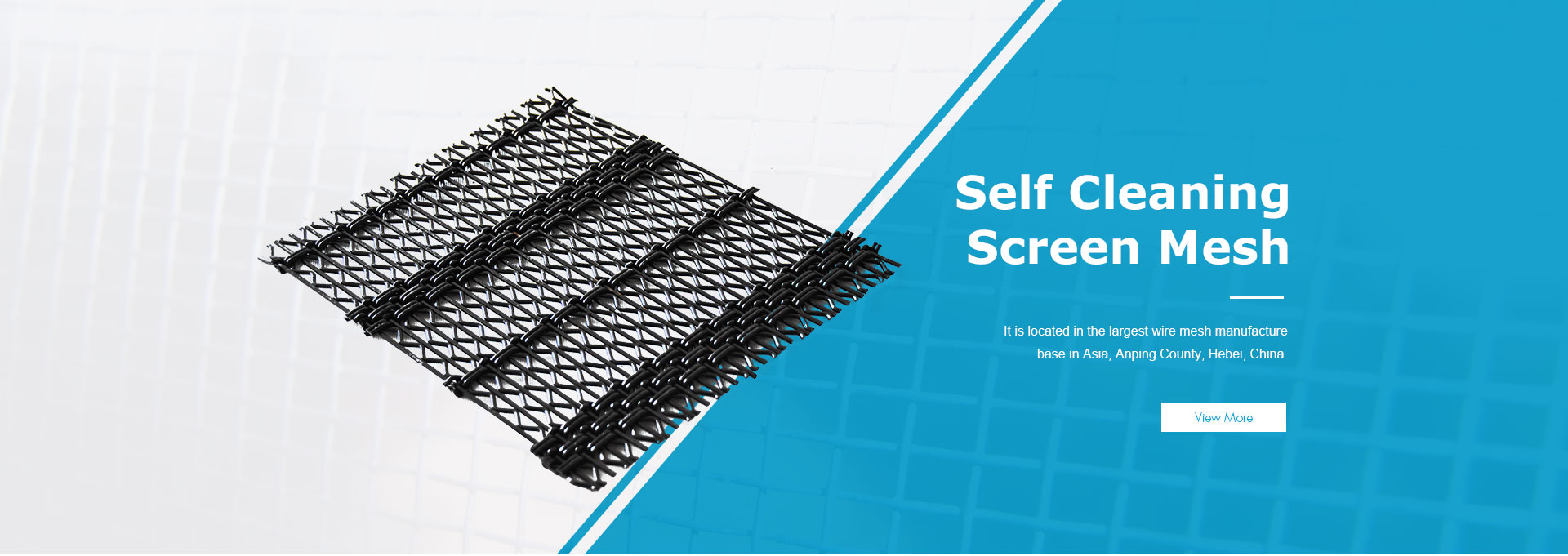
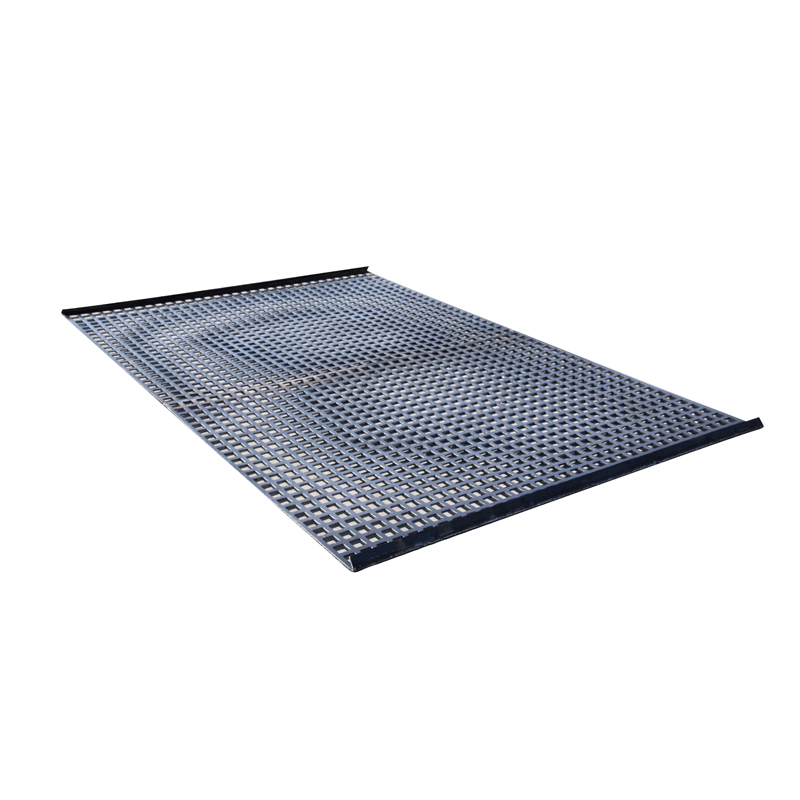
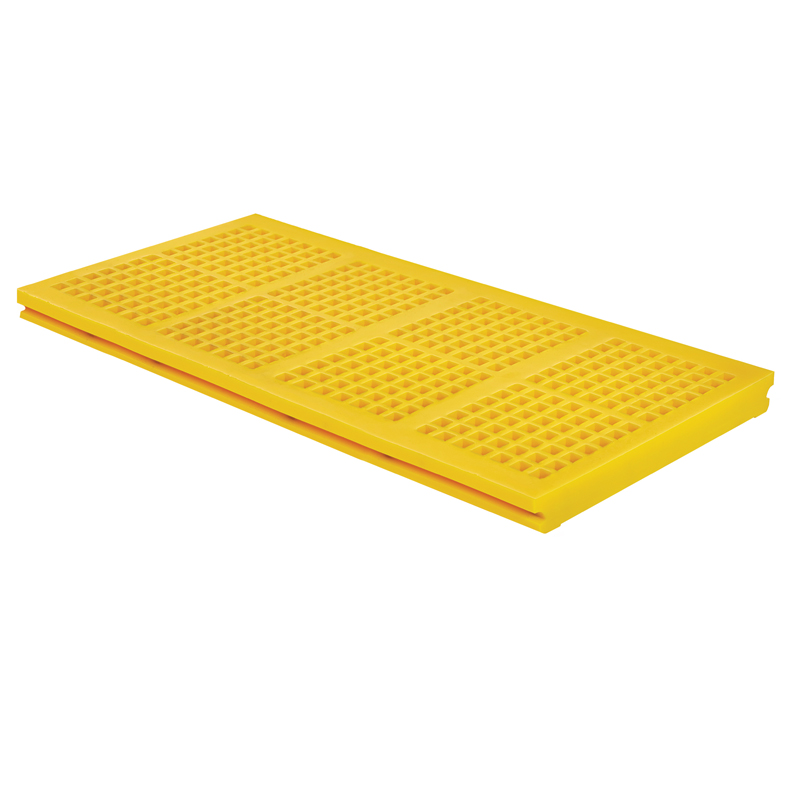
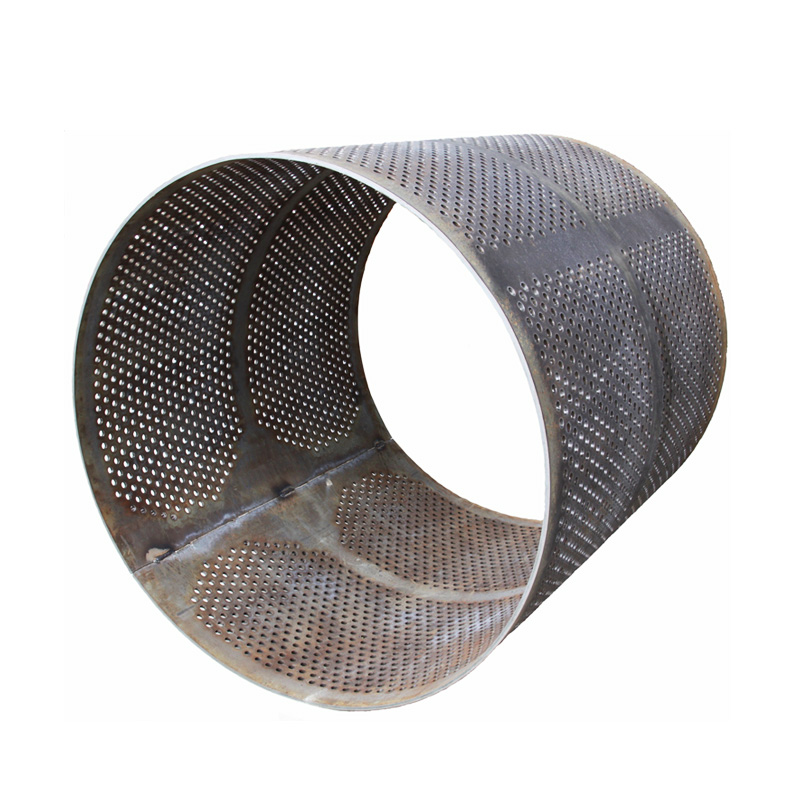
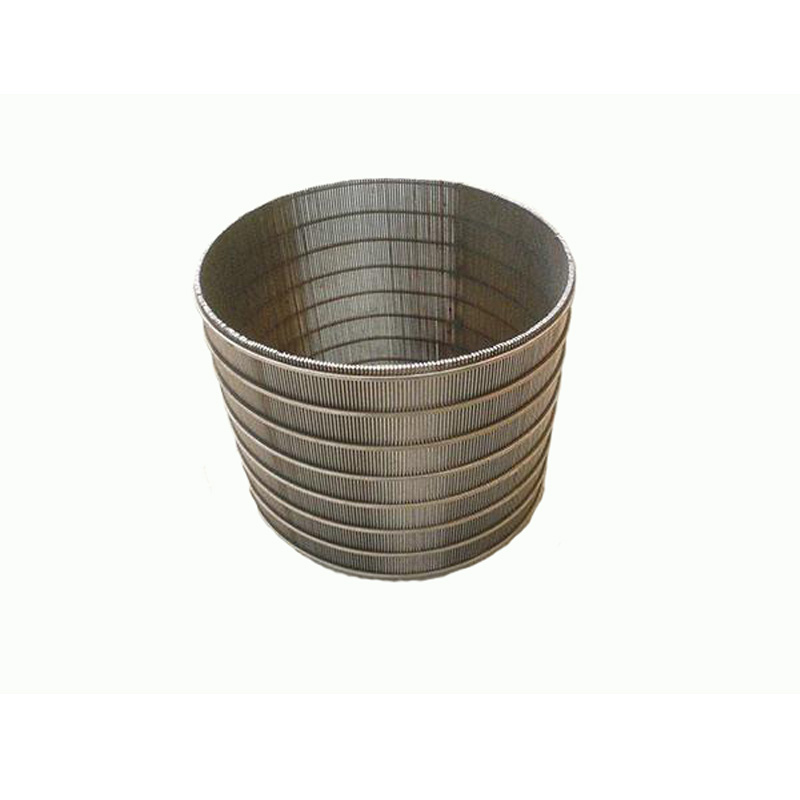
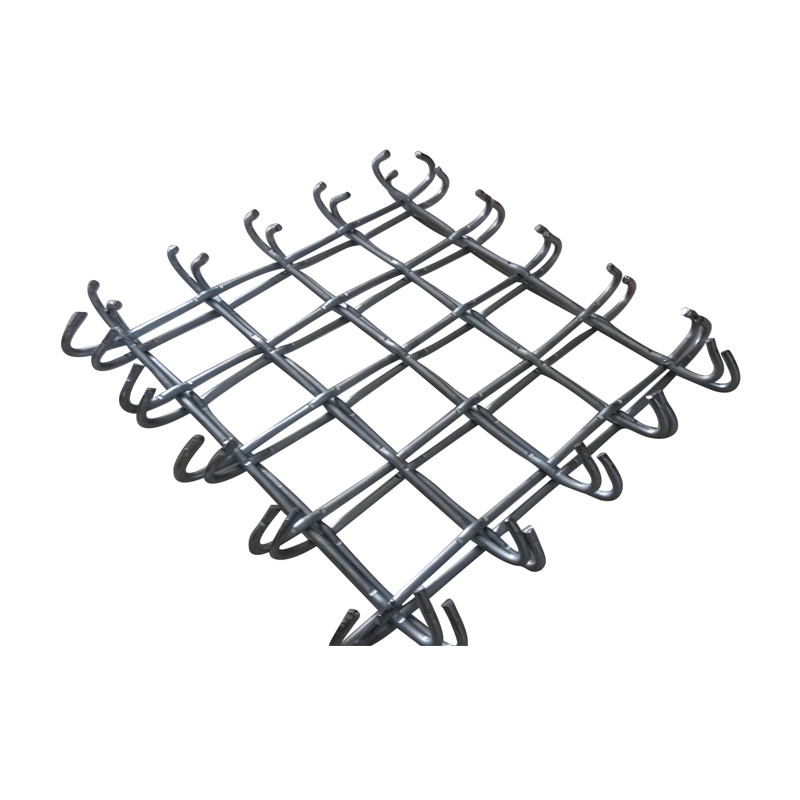
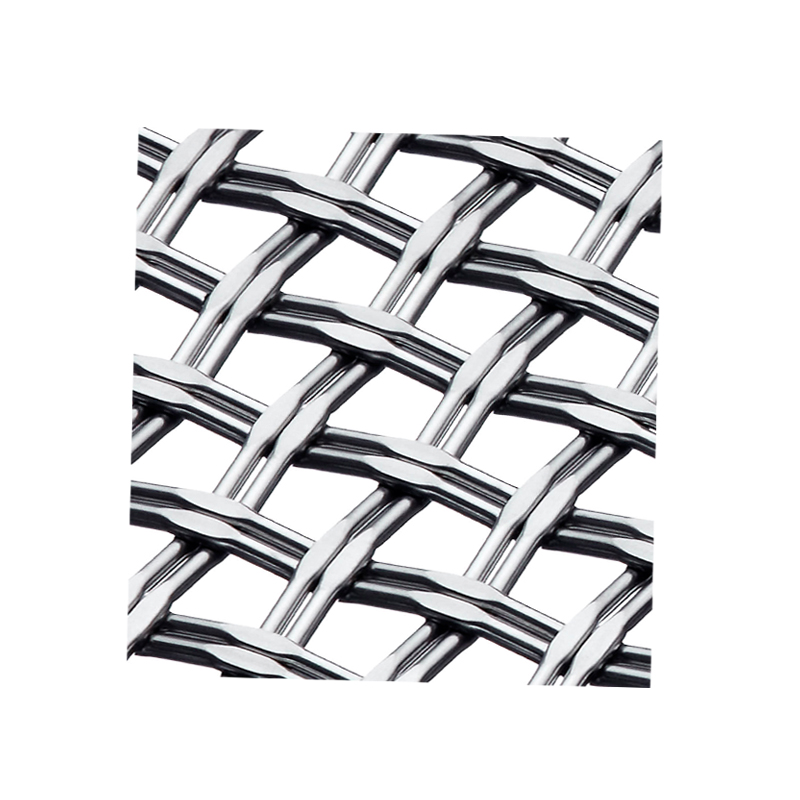
Perforated metal is a type of metal sheet processed using specialized techniques, featuring a surface distributed with holes of varying sizes, shapes, and arrangements. This unique structure enables its widespread application across numerous fields; its importance is particularly evident in the manufacturing industry.
First, the manufacturing process involves multiple stages, including cutting, punching, and forming the metal sheet. Various materials—such as stainless steel, aluminum, and iron—can be selected based on specific requirements. Additionally, the shape, size, and arrangement of the perforations can be customized to meet practical needs, ensuring the material's versatility and flexibility.
In the manufacturing sector, the applications of perforated metal are primarily found in the following areas:
I. Filtration and Screening
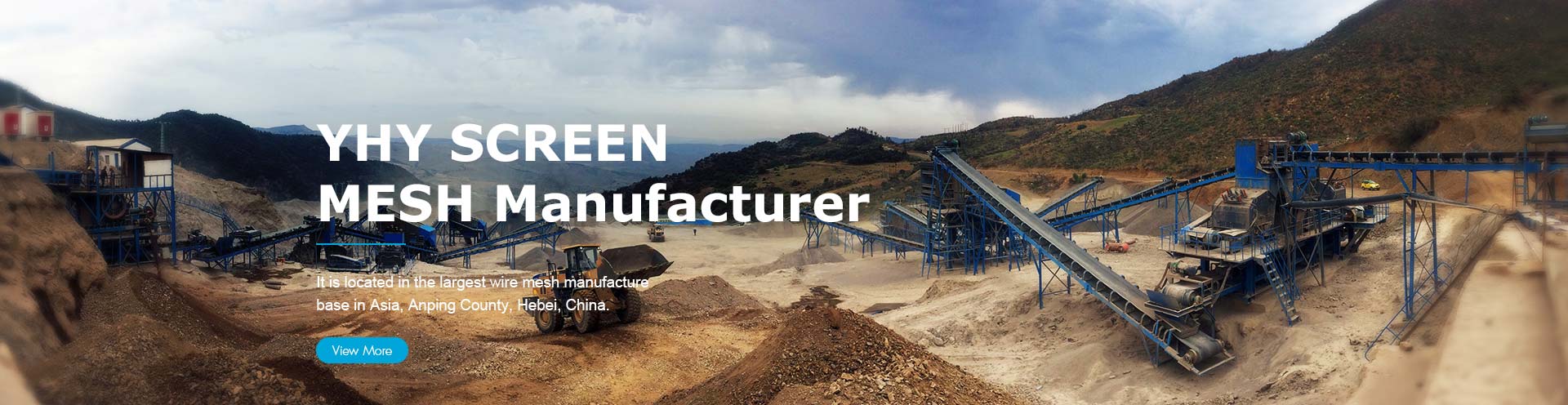
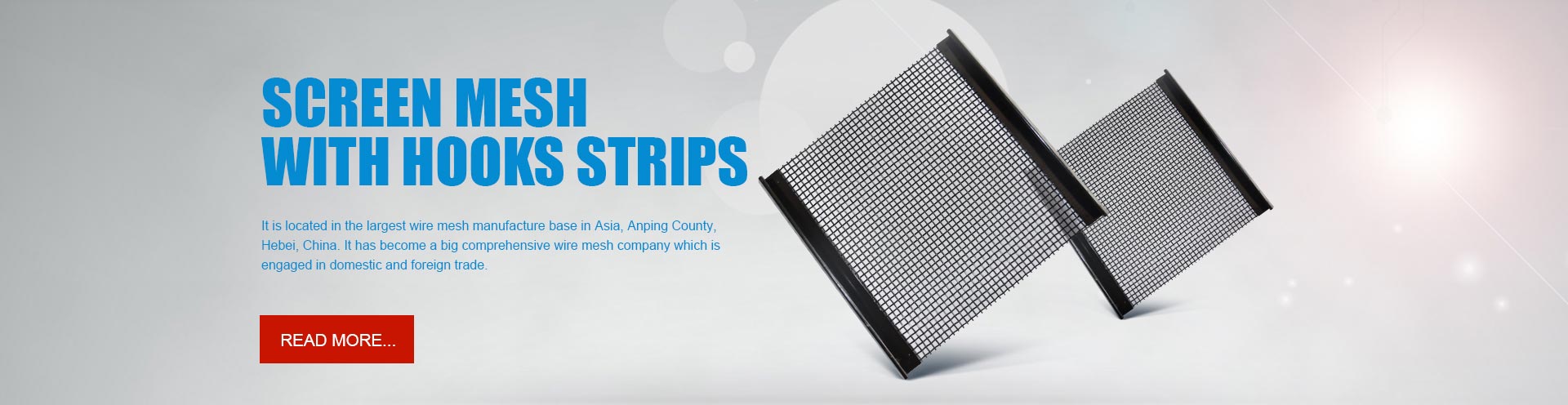
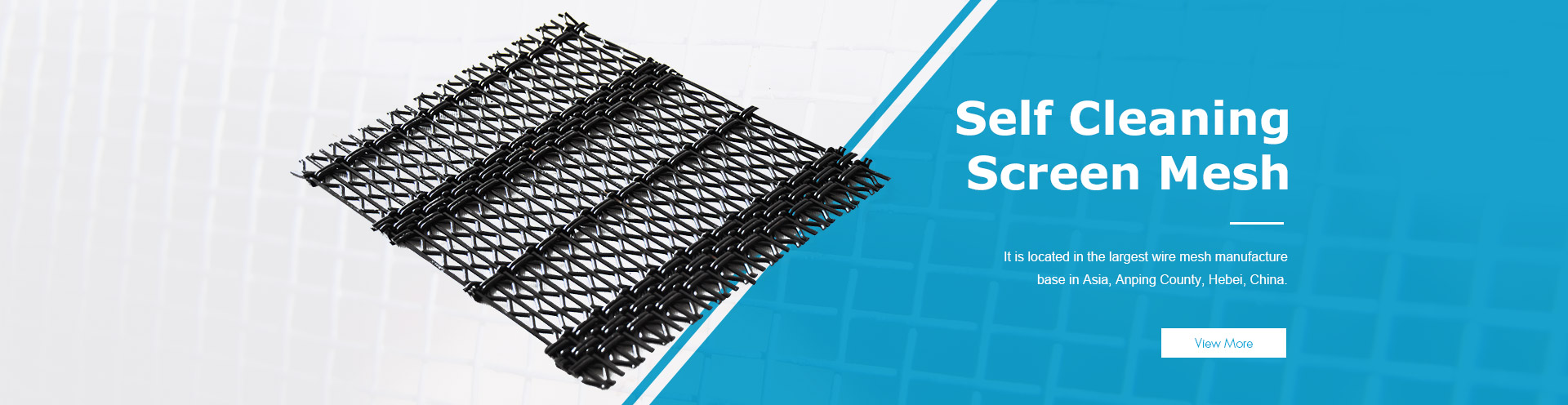
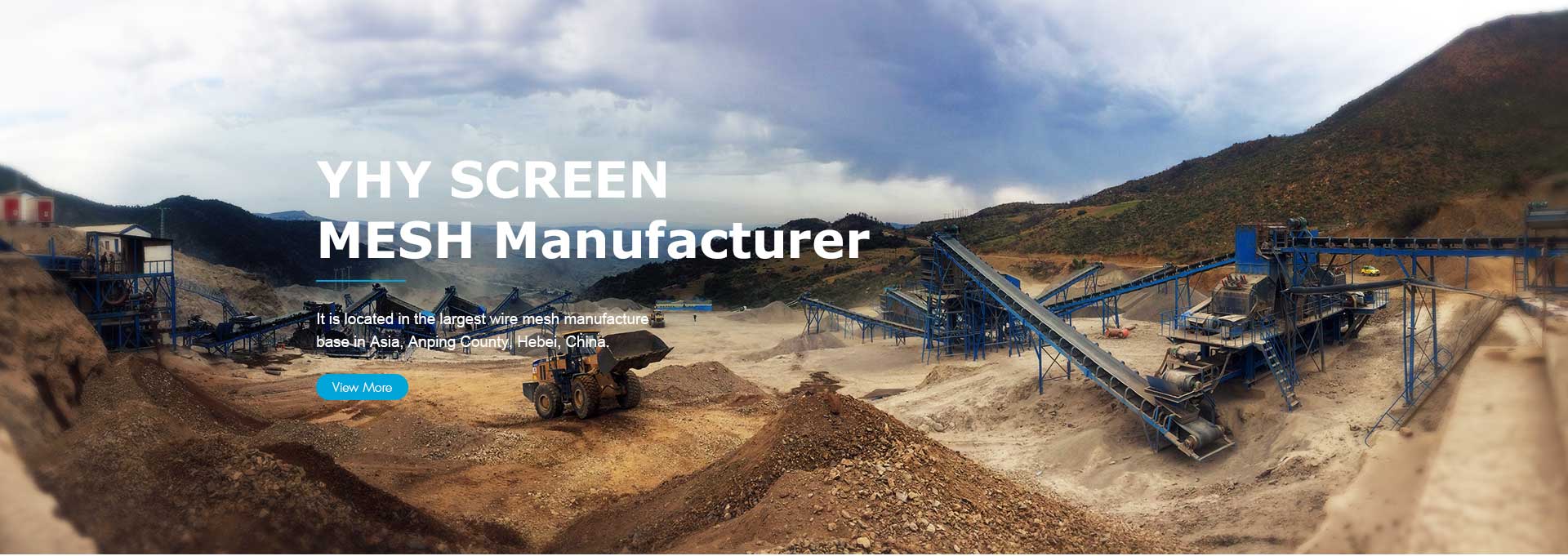
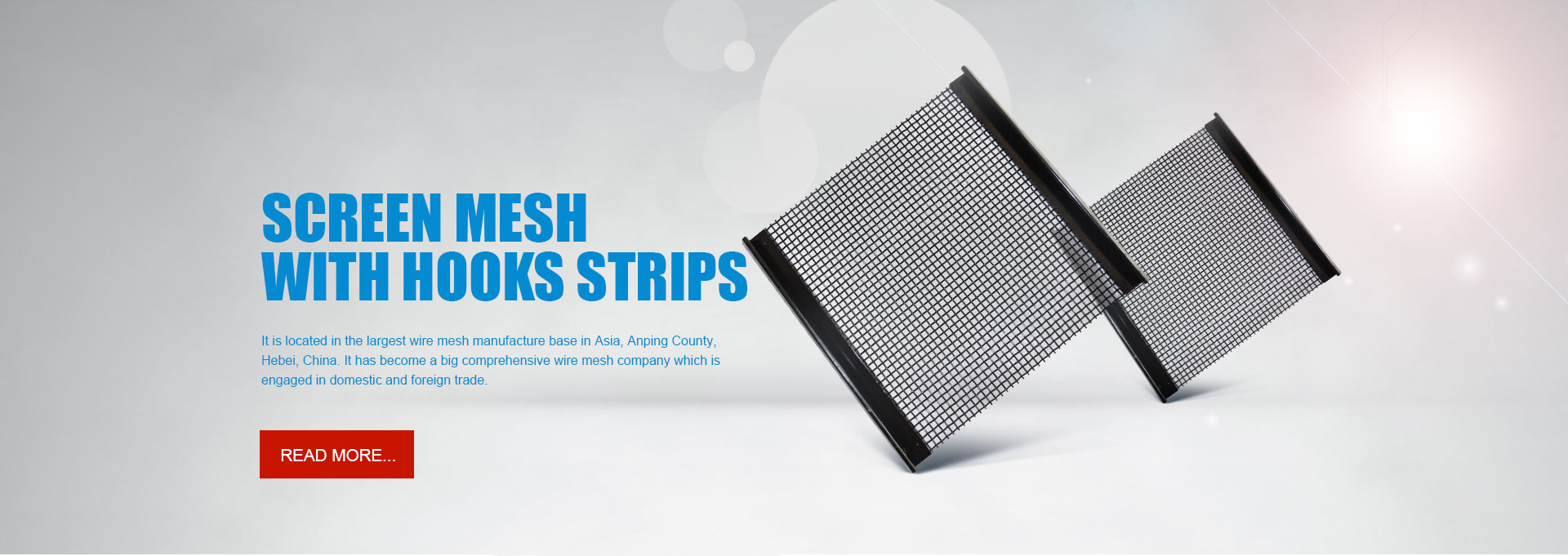
Perforated metal serves effectively as a filter or screen, with hole dimensions and shapes adjustable to specific filtration requirements. For instance, in the food processing industry, it is used to filter impurities from liquids, ensuring product purity and safety. In sectors such as mining and chemical processing, it is employed to screen materials of varying particle sizes, thereby enhancing production efficiency.
II. Sound Insulation and Noise Reduction
Due to its excellent sound-insulating and noise-dampening properties, perforated metal is widely used in noise control. In construction, it is utilized for sound-insulating walls and doors, mitigating the impact of noise on daily life and work. In machinery, it helps reduce operational noise, thereby improving the comfort of the working environment.
III. Ventilation and Heat Dissipation
With superior ventilation and heat dissipation capabilities, perforated metal is extensively used in cooling systems for electronic devices, equipment cabinets, and air conditioning units. Through the strategic design of hole arrangements and sizes, it effectively enhances heat dissipation efficiency, ensuring the stable operation of equipment.
IV. Decoration and Aesthetics
Boasting a unique appearance and texture, perforated metal also holds significant value in decorative applications. For instance, in applications such as architectural curtain walls and interior partitions, perforated metal serves as a decorative material, lending a unique visual appeal to the space. It is also used to create products like artworks and lighting fixtures, enhancing their aesthetic and artistic value.
V. Safety and Protection
Perforated metal possesses considerable strength and durability, making it suitable for safety and protective applications. For example, it is used to fabricate protective guards and safety gates for machinery and elevators, ensuring the safety of both personnel and equipment. In public spaces such as shopping malls and transit stations, it is utilized for security grilles and safety railings, thereby enhancing overall security.
In summary, perforated metal is a distinctive metal sheet product with a wide range of applications in the manufacturing industry. Its unique structure and properties enable it to play a vital role in areas such as filtration and screening, sound insulation and noise reduction, ventilation and heat dissipation, decoration and aesthetics, and safety protection. As technology advances and the manufacturing sector evolves, the scope of applications for perforated metal will continue to expand and deepen, bringing greater convenience and benefits to people's lives and work.