When applying putty, contractors often ask: "Should we install mesh fabric?" Some homeowners assume that an extra layer is always better, while others suspect it’s just an unnecessary "add-on" to inflate the renovation cost and prefer to skip it. Let’s clear this up: Is mesh fabric actually necessary? And if so, how should you choose it?
What is mesh fabric?
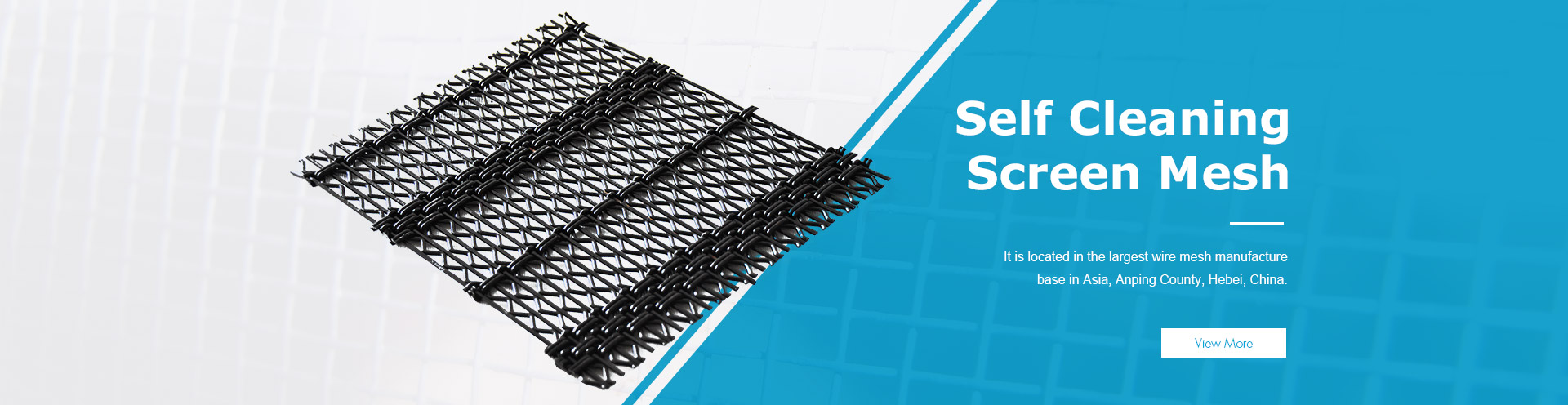
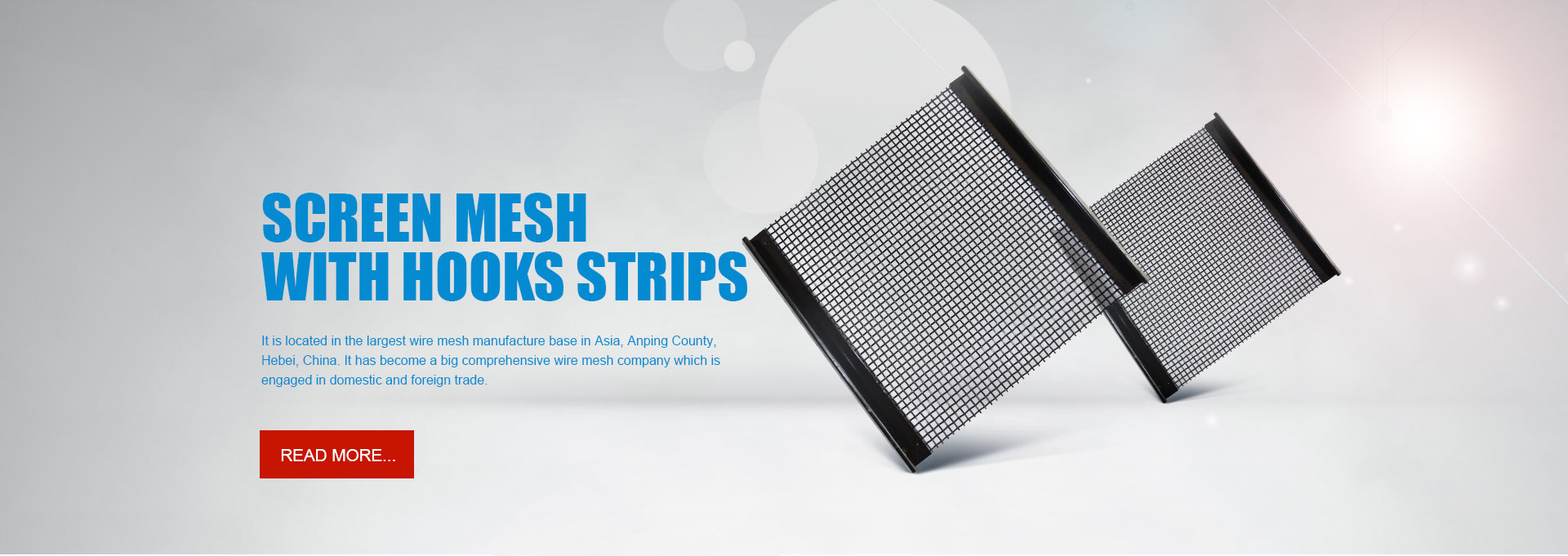
Mesh fabric is a grid-like material woven from alkali-resistant fiberglass. It is embedded into a layer of crack-resistant mortar or putty to hold the mortar layer together and prevent cracking. Think of it like the steel rebar inside concrete—you can’t see it, but it provides structural support.
When standard wall plaster or putty dries, it undergoes shrinkage, creating internal stress. If this stress concentrates at a weak point, it results in a crack. Mesh fabric helps distribute this stress across the entire grid, preventing cracks from growing or spreading.
When is mesh fabric absolutely necessary?
At the joints between new and old walls: Because new masonry and existing walls have different shrinkage rates, the joints between them are highly prone to cracking. Installing mesh fabric binds the two sides together, preventing cracks from forming along the seam.
Over filled-in wall chases (grooves for pipes/conduits): The cement mortar used to fill these grooves is not structurally integrated with the original wall and has a different shrinkage rate, making it very easy for a straight crack to appear. Mesh fabric effectively prevents this.
On the outer layer of exterior wall insulation systems: When applying crack-resistant mortar over insulation boards, alkali-resistant mesh fabric must be embedded. Without it, the mortar layer lacks a "skeleton"; thermal expansion and contraction will inevitably cause cracks. If water seeps in, the insulation system will fail, and eventually, the entire section may detach.
For lightweight partition walls: Walls made of materials like aerated concrete blocks or gypsum board are inherently less stable than solid concrete walls; applying mesh fabric across the surface can significantly reduce the risk of cracking.
When can you skip the mesh fabric?
For cast-in-place concrete walls or plastered red-brick walls—provided the substrate is highly stable, free of joints between old and new materials, and contains no backfilled chases (grooves for utility lines)—there is no need for additional mesh reinforcement, assuming the putty layer is applied correctly. While installing mesh throughout the entire house is certainly better, it is not strictly necessary.
How should you choose mesh?
The key factor is alkali resistance. Mesh comes in two types: alkali-resistant and non-alkali-resistant. Alkali-resistant mesh is treated with a special coating that protects it from the alkaline corrosion of cement mortar, allowing it to last as long as the building itself. Non-alkali-resistant mesh lacks this coating; in an alkaline environment, it will age and become brittle within a few months, losing its crack-prevention function. For wall applications, you must use alkali-resistant mesh; non-alkali-resistant versions should only be used in neutral environments, such as with gypsum-based products.
When purchasing, check the product specifications for the term "alkali-resistant" (耐碱). The alkali-resistant mesh provided by Dongbo is specifically designed for wall crack prevention and works best when paired with crack-resistant mortar.
How do you choose the mesh aperture (grid size)?
Common grid sizes include 4×4mm, 5×5mm, and 8×8mm. A 5×5mm grid is typically used for wall crack prevention, while a denser 4×4mm grid is used for the base coat of exterior wall insulation systems. If the grid is too small, it hinders mortar penetration; if it is too large, its crack-prevention effectiveness is compromised. A medium-sized grid is the ideal choice.
Construction essentials: The mesh must be fully embedded into the mortar layer.
The mesh should not sit on the surface; it must be completely pressed into the crack-resistant mortar or putty layer so that no part remains exposed. Overlap widths must be at least 100mm. At the corners of doors and windows, additional diagonal reinforcement mesh should be applied to prevent cracking in these areas. Once the mesh is embedded, the surface should be smoothed out, ensuring there are no wrinkles or hollow spots (voids).
In summary: Use mesh where it is truly needed, but avoid unnecessary expenses where it is not required. Joints between new and existing walls, backfilled chases (grooves for utility lines), and the base coat of exterior wall insulation systems—all three areas must be reinforced with alkali-resistant mesh embedded in crack-resistant mortar to effectively prevent cracking.