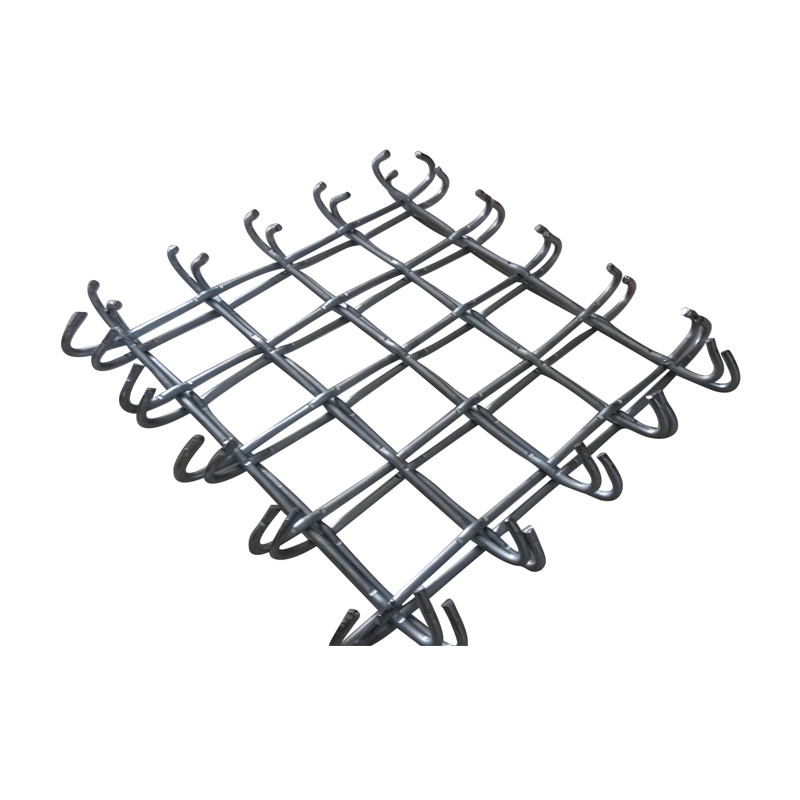
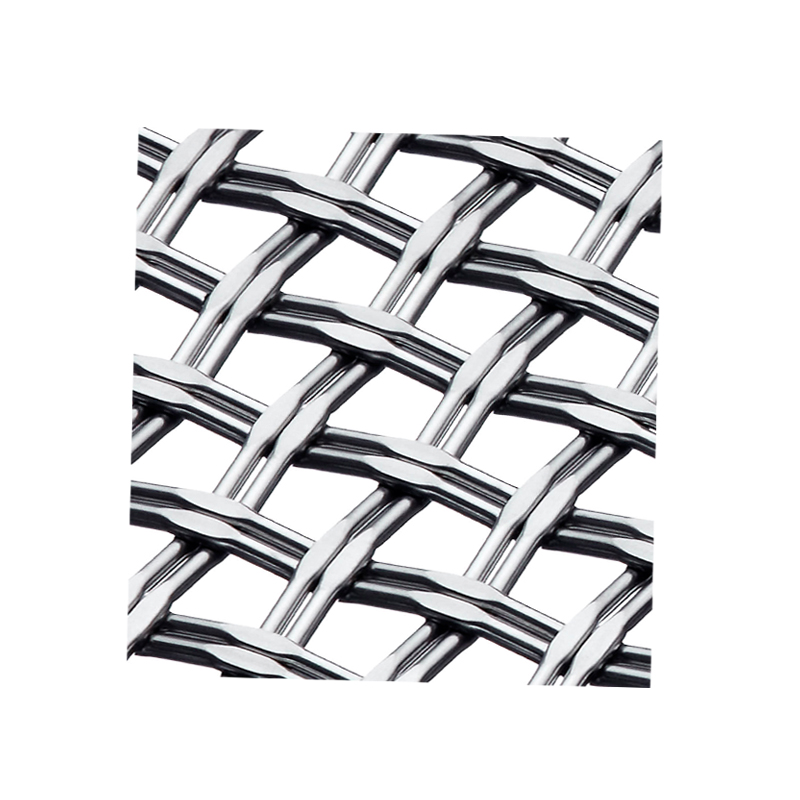
How to perform surface treatment on manganese steel woven wire mesh
Jul. 21, 2026
With economic development, the application of manganese steel woven wire mesh has spread to various fields, from cutting-edge technology and high-tech industries to food, clothing, housing, transportation, and cultural life. Despite its wide application, there are still some misunderstandings about its surface treatment, which affects the product's lifespan and appearance.
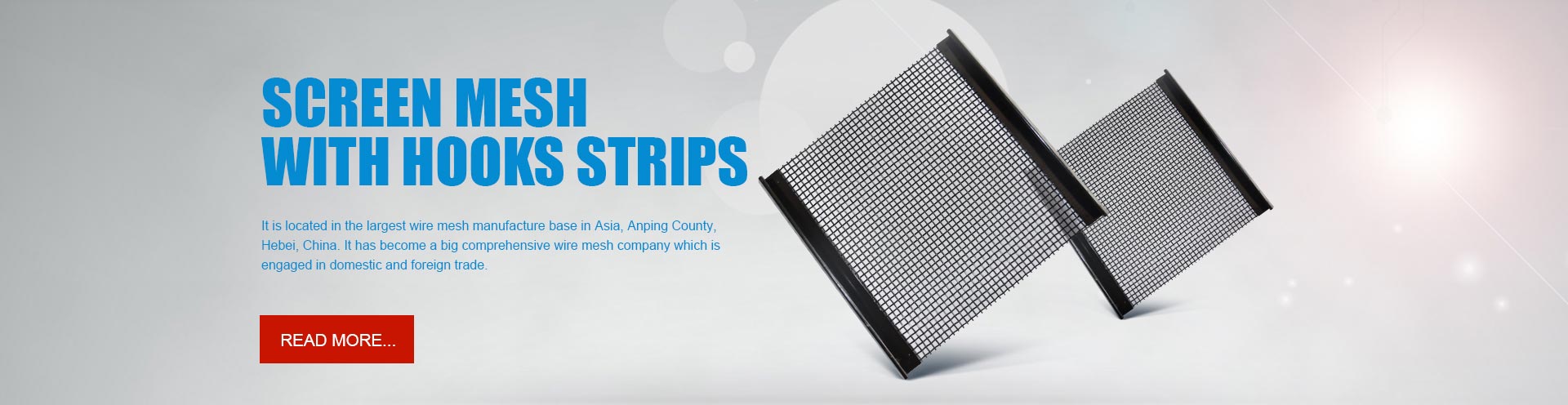
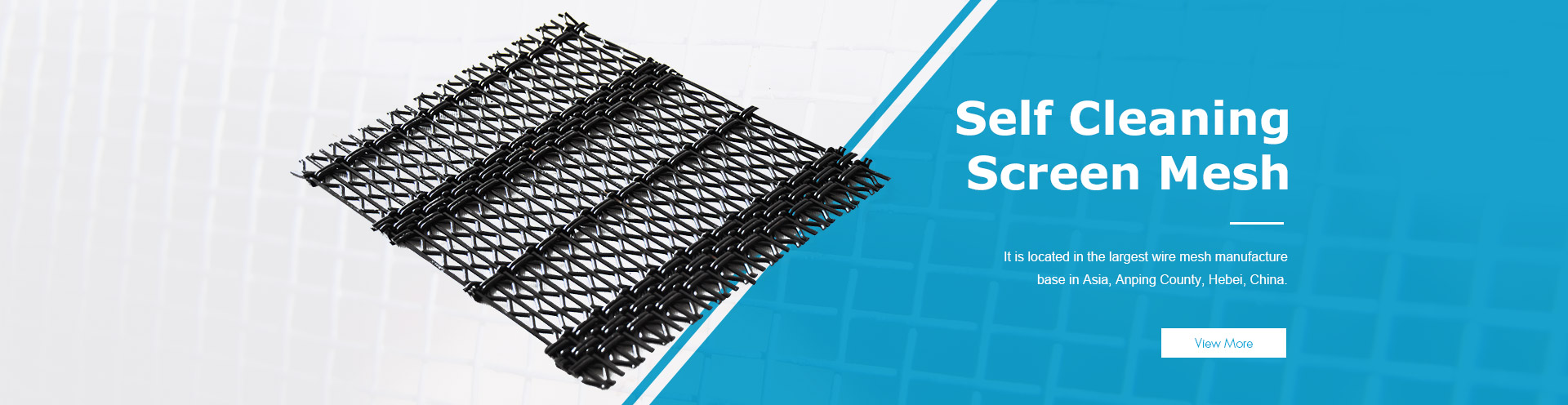
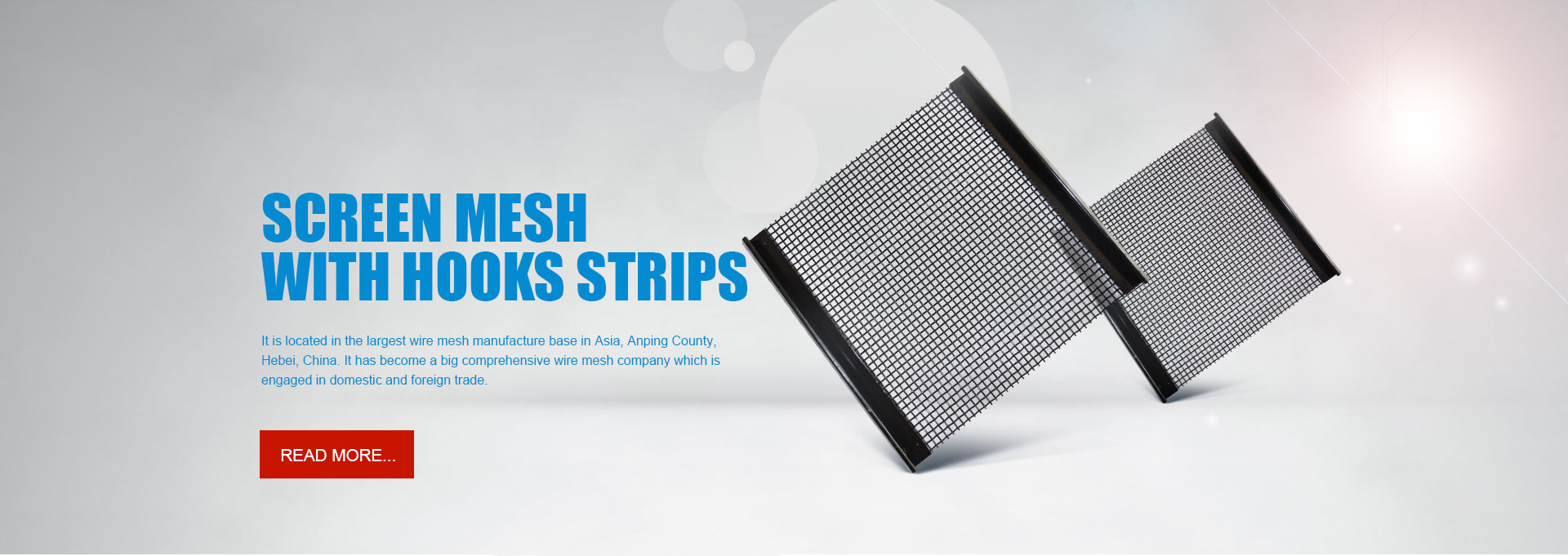
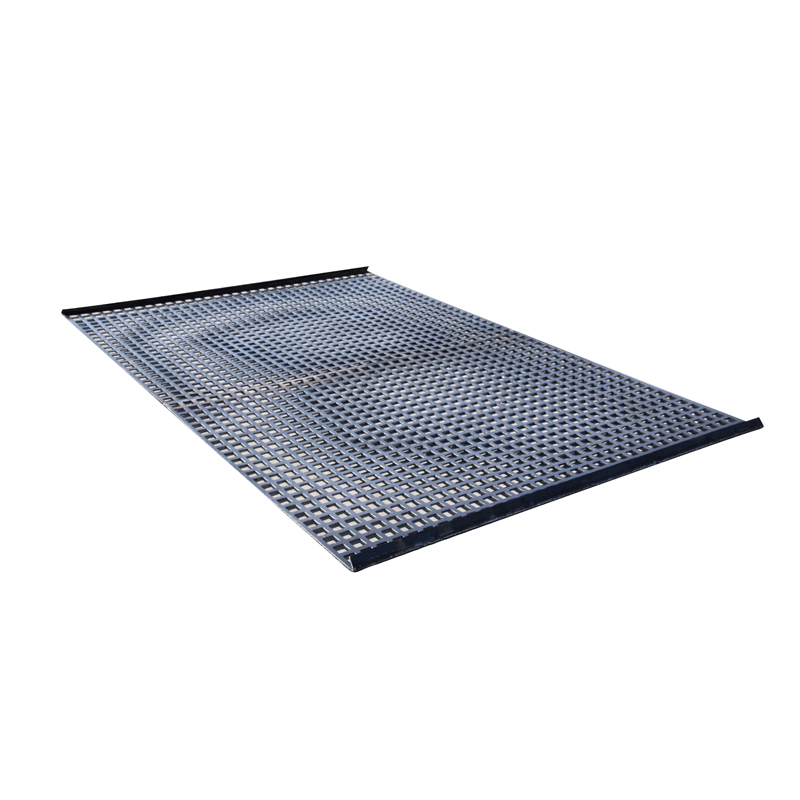
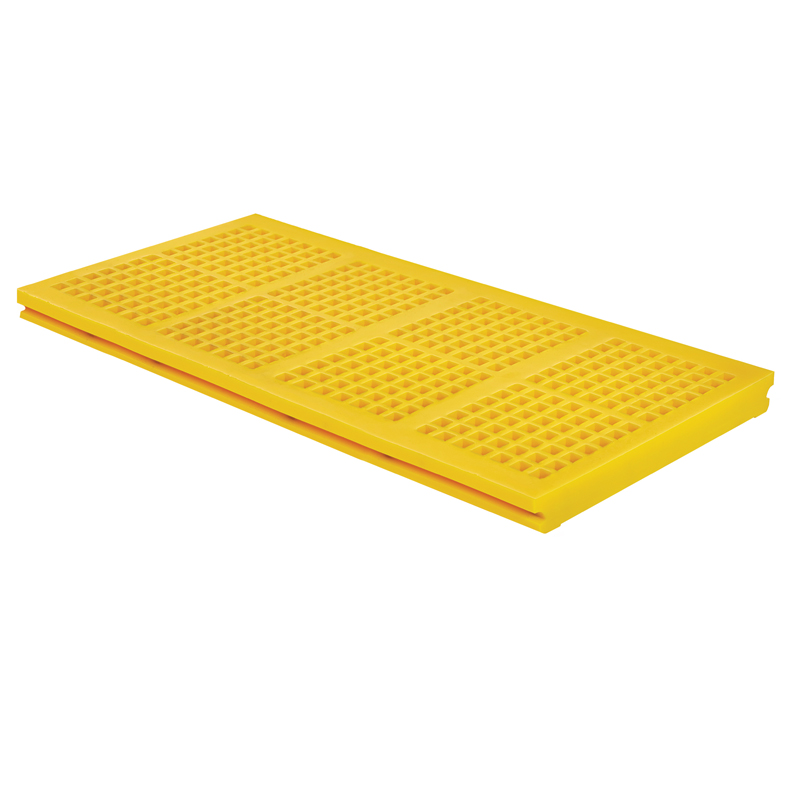
Some customers request that the manganese steel woven screen's mesh be pressed into a specific shape during procurement. This is a complex production process requiring extremely high precision; even slight deviations can lead to deformation. Some users misunderstand the surface treatment, believing there are only one or two methods that don't require special attention. In reality, there are various surface treatment methods. Quicker methods include cold galvanizing and powder coating, while dip coating is more commonly used. For corrosion resistance, hot-dip galvanizing followed by dip coating is used. This product has a long service life and good wear resistance. Because the screen frame material is steel wire with excellent elastic modulus, its load-bearing capacity far exceeds that of other screens. During the screen production process, the raw materials undergo special treatment to ensure that delamination does not occur during use. This product is professional and practical, suitable for various vibrating screens. This screen can screen any material with a particle size range of 0.1 mm to 170 mm, and the screening efficiency is not affected by the dryness or wetness of the material.
Due to the high screening efficiency and low pore clogging rate of the manganese steel wire mesh, its water permeability prevents the adhesion of wet fine particles, making it also suitable for screening wet fine particles.