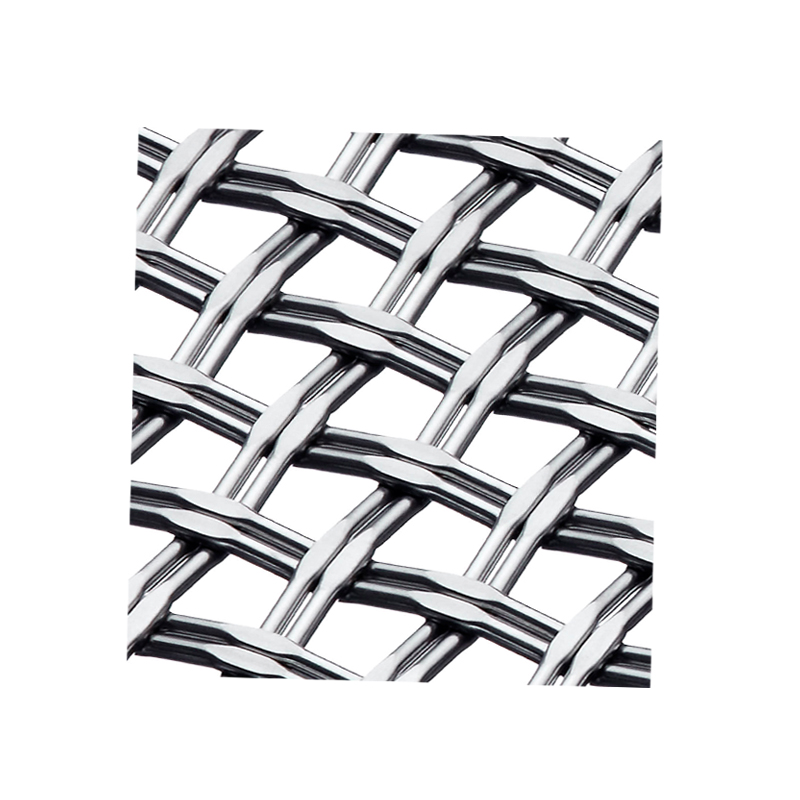
Why is manganese steel rolled edge mesh more wear-resistant?
Jul. 20, 2026
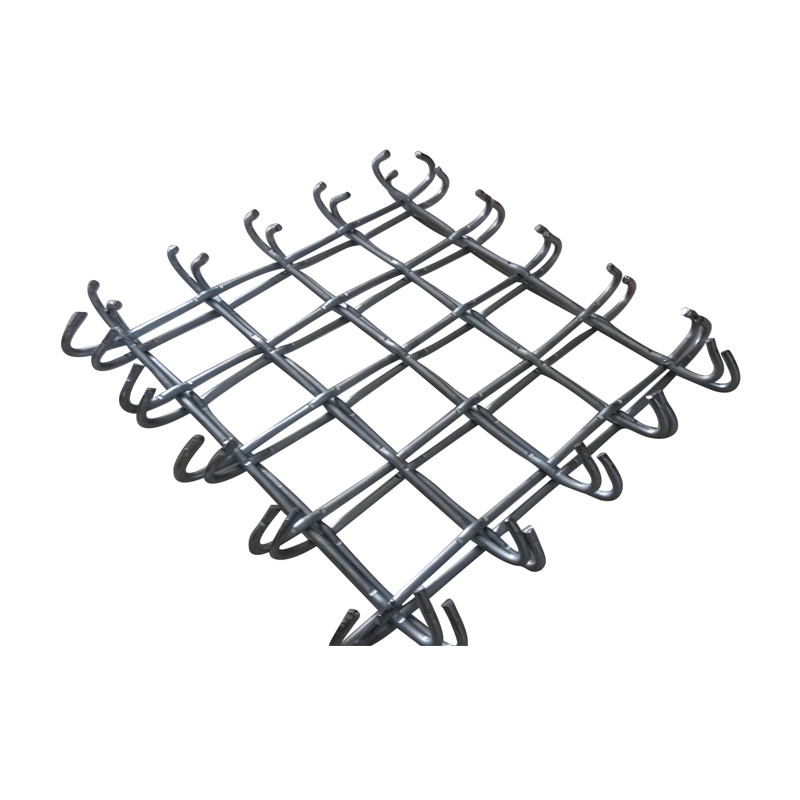
Manganese steel rolled edge mesh is mainly used in harsh working conditions such as impact, extrusion, and material abrasion. Its main damage forms are wear, localized fracture, and deformation. Wear is classified into three types: frictional wear between moving surfaces of metal parts; abrasive wear from impacts of other metals or non-metals on metal surfaces; and erosive wear caused by contact between flowing gas or liquid and metal. The wear resistance of wear-resistant steel screens depends on the material itself and exhibits different wear resistance under different working conditions. Both the material itself and the working conditions affect its wear resistance. Cast wear-resistant steel and wear-resistant steel are mainly austenitic manganese steel. Under specific conditions, low-alloy steel screens with appropriate heat treatment also have good performance. Graphite steel is used for lubrication friction conditions.
Manganese steel mesh is particularly suitable for impact wear and high-stress grinding wear conditions. It is commonly used in the manufacture of impact-resistant and wear-resistant castings such as ball mill liners, hammer crusher hammers, jaw crusher jaw plates, cone crusher slurry walls, crusher walls, excavator bucket teeth, bucket walls, railway turnouts, tractor and tank track plates. High manganese steel mesh is also used in the manufacture of bulletproof steel plates, safety steel plates, etc. High manganese steel mesh is a typical wear-resistant steel, with a cast microstructure of austenite + carbides. After water quenching at approximately 1000℃, the microstructure transforms into single austenite or austenite + a small amount of carbides, improving toughness. Therefore, this type of mesh is called water-quenched toughening treatment.
A key characteristic of manganese steel mesh is that under strong impact and extrusion conditions, its surface layer rapidly undergoes work hardening, resulting in a hardened layer with excellent wear resistance, while the core retains the good toughness and plasticity of austenite. This is unmatched by other materials. However, the wear resistance of high manganese steel mining screens only demonstrates its superiority under conditions of sufficient work hardening; under other conditions, it is very poor. Standard Mn13 high manganese steel mining screens, also known as Hadfield steel, were invented by the Englishman Hadfield in 1882. Its relevant standards and international standards are as follows. A typical Mn17 wear-resistant high-manganese steel mining screen is made by increasing the manganese content on the basis of Mn13 steel, thereby improving the stability of austenite, preventing carbide precipitation, and thus improving the strength and plasticity of the mining screen steel, as well as improving the work hardening ability and wear resistance of the steel.