The aesthetic appeal of urban architecture often lies in unobstructed views and expansive spaces. Features such as shopping mall atriums, elevated walkways, scenic boardwalks, and residential light wells enhance a building's visual appeal and comfort, yet they also harbor hidden risks of falls from heights.
Beyond standard railings, modern architectural safety systems incorporate a silent, reliable protective barrier: the stainless steel fall-prevention net. This essential, long-lasting safety feature is now indispensable in public buildings, municipal projects, and landscape installations.
01 Overcoming the Limitations of Traditional Protection to Build a Lasting Safety Barrier
For a long time, fall protection relied on materials like nylon netting and standard wire mesh. However, these options have significant limitations, making them ill-suited for the complex, exposed conditions of long-term outdoor use.
Nylon nets are highly susceptible to degradation from sun, rain, and seasonal temperature fluctuations; they quickly become brittle, lose tension, and deform, resulting in a short lifespan and diminishing protective performance over time. Standard wire mesh suffers from poor corrosion resistance, rusting and snapping easily in damp or rainy environments. Once the mesh is compromised, the protective system fails completely, creating a serious safety hazard.
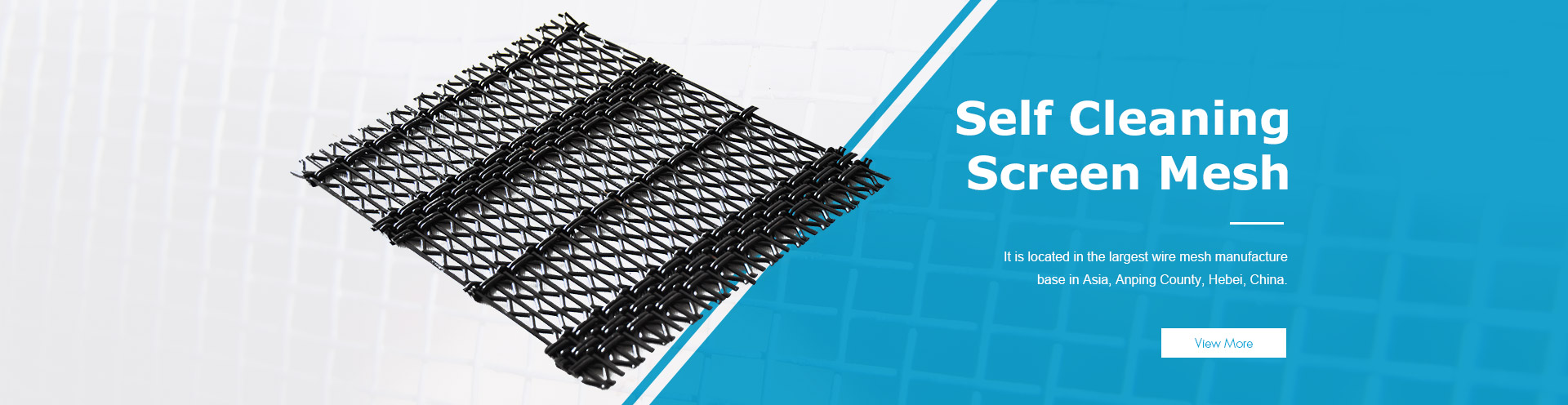
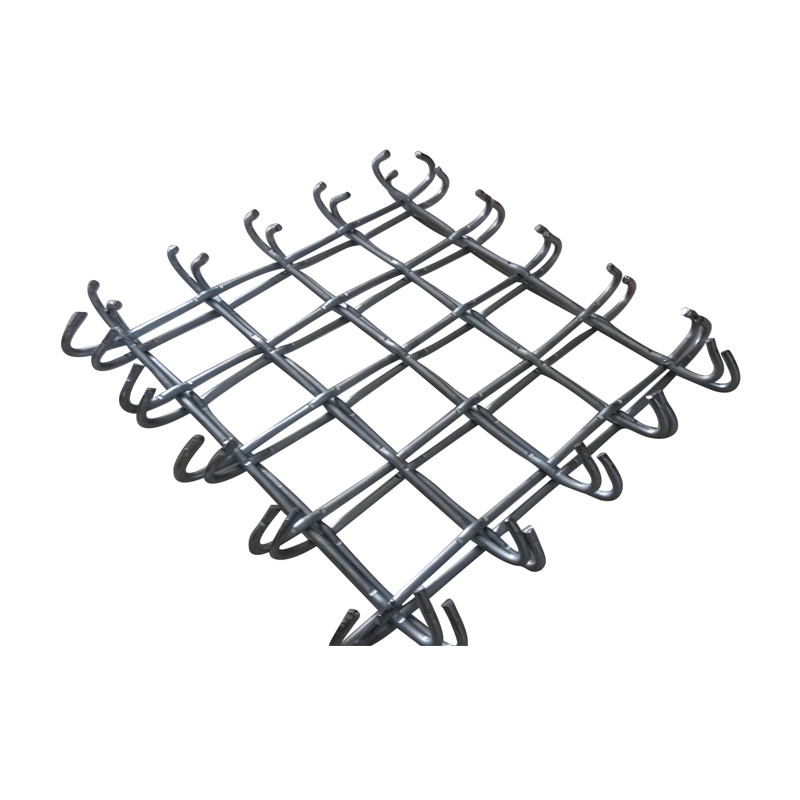
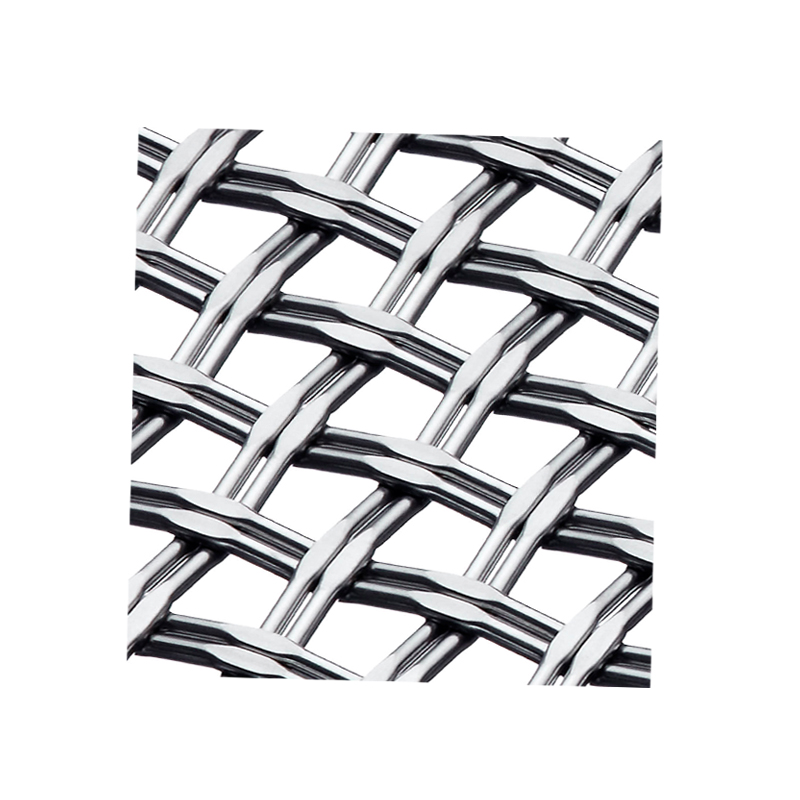
Stainless steel fall-prevention nets perfectly address these shortcomings. Woven from high-strength stainless steel wire rope, they form a flexible protective structure that eliminates the flaws of traditional methods. Combining strength, toughness, and weather resistance, they provide reliable, long-term safety protection.
02 Core Advantages: A Perfect Blend of Aesthetics and Performance
Unlike rigid protective barriers that can feel heavy and oppressive, stainless steel fall-prevention nets are characterized by their transparency and versatility. Their uniform mesh structure does not block light or obstruct views, preserving the building's original architectural beauty. Whether installed in modern commercial venues, minimalist municipal facilities, or boardwalks in scenic areas, they blend in seamlessly without appearing intrusive.
Their advantages are even more pronounced when it comes to safety performance. The flexible mesh structure offers exceptional shock-absorbing capabilities. In the event of accidental falls involving people or objects, it rapidly disperses and dissipates the impact force, securely bearing the load and minimizing potential injury—serving as a crucial safety net.
Regarding materials, the mainstream 304 stainless steel is suitable for the vast majority of urban indoor and outdoor settings; it is oxidation-resistant, rust-proof, and corrosion-resistant, withstanding wind, rain, and intense sun exposure. Meanwhile, 316 stainless steel offers superior resistance to salt spray, acids, and alkalis, making it ideal for coastal cities and humid, specialized environments. With a lifespan spanning decades and requiring almost no frequent maintenance or replacement, it significantly reduces long-term operational and maintenance costs.
03 Comprehensive coverage across multiple scenarios, safeguarding every high-altitude area in the city
Thanks to its stable performance and versatile aesthetic, stainless steel fall-protection netting is widely used in various high-altitude safety applications, becoming an integral part of our daily lives.
In public architecture, stainless steel netting is installed in the suspended atriums, corridors, and walkways of shopping malls, stadiums, and academic buildings as a secondary safety measure, effectively eliminating the risks of falling objects or accidental falls. In residential architecture, it fortifies home safety by securing light wells, air shafts, and open spaces above elevated ground floors. In municipal and landscape projects, it serves as the primary safety net for high-altitude boardwalks, pedestrian overpasses, and the bottoms of inspection shafts. In industrial settings, it mitigates safety hazards associated with high-altitude platforms and elevated work areas.
Safety is never about ostentatious display; rather, it lies in prudent, proactive measures taken in the details.
Tucked away in the heights of buildings and often unnoticed by the public, these stainless steel fall-protection nets work quietly and reliably. Day after day, they stand guard against high-altitude hazards, silently protecting the safety of urban living, commuting, and leisure activities—serving as the most dependable, invisible guardians within the modern city's safety infrastructure.