1. What Is a Perforated Corner Bead?
A perforated corner bead is a strip-shaped building profile with regularly spaced holes on its surface. It is commonly manufactured from galvanized steel, stainless steel, aluminum, or PVC and is mainly used to reinforce external wall corners, stair edges, and other areas that are vulnerable to impact and damage.
During construction and interior finishing, wall corners and stair edges are particularly susceptible to damage. Everyday activities, furniture movement, and accidental impacts can cause chipped corners, cracks, and plaster damage.
A perforated corner bead provides additional structural support to these vulnerable areas. It helps maintain straight, clean corner lines while reducing the risk of damage caused by external impacts.
Unlike solid corner profiles, perforated corner beads feature multiple holes along their wings. During installation, plaster, mortar, or joint compound passes through these openings and forms a mechanical bond with the surrounding material.
This mechanical interlocking effect helps secure the corner bead within the plaster layer rather than relying entirely on surface adhesion.
As a result, the perforated design improves installation stability and helps create a stronger connection between the corner bead and the surrounding wall surface.
2. Common Materials and Structural Features of Perforated Corner Beads
Different construction environments require different levels of corrosion resistance, impact protection, and durability. Therefore, perforated corner beads are available in several material options.
1. Hot-Dip Galvanized Steel
Hot-dip galvanized steel is a commonly used material for corner bead manufacturing. Its zinc coating provides protection against rust and corrosion, making it suitable for interior wall corners, stair edges, and general plastering applications.
2. Stainless Steel
Stainless steel offers excellent corrosion resistance and is suitable for environments where rust prevention is particularly important, such as humid areas and certain public buildings.
3. Aluminum
Aluminum corner beads are lightweight and naturally corrosion-resistant. They are a practical option for projects where easy handling, lightweight construction, and corrosion protection are required.
4. PVC
PVC corner beads offer flexibility and will not rust. They are commonly used in residential interiors, kindergartens, and other decorative applications. Some designs feature rounded edges to help reduce the risk of injuries caused by sharp corners.
In addition to material selection, factors such as sheet thickness, wing width, product length, and hole design also influence the performance of a perforated corner bead.
Common hole designs include round holes and diamond-shaped openings. Properly distributed perforations allow plaster and mortar to pass through the surface and form a secure mechanical bond.
Product dimensions can be customized according to wall structures, stair dimensions, and specific installation requirements.
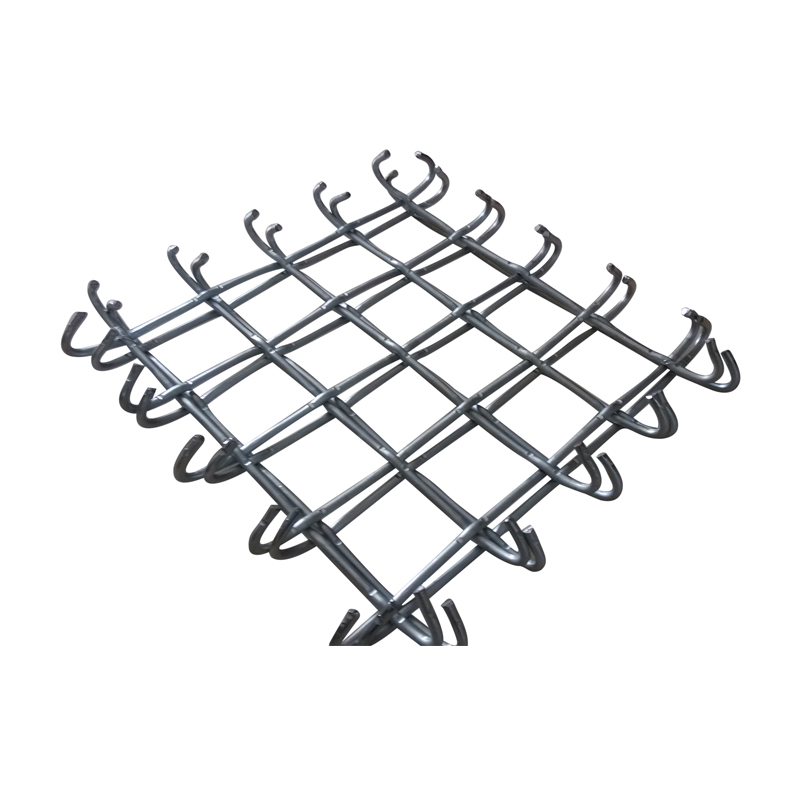
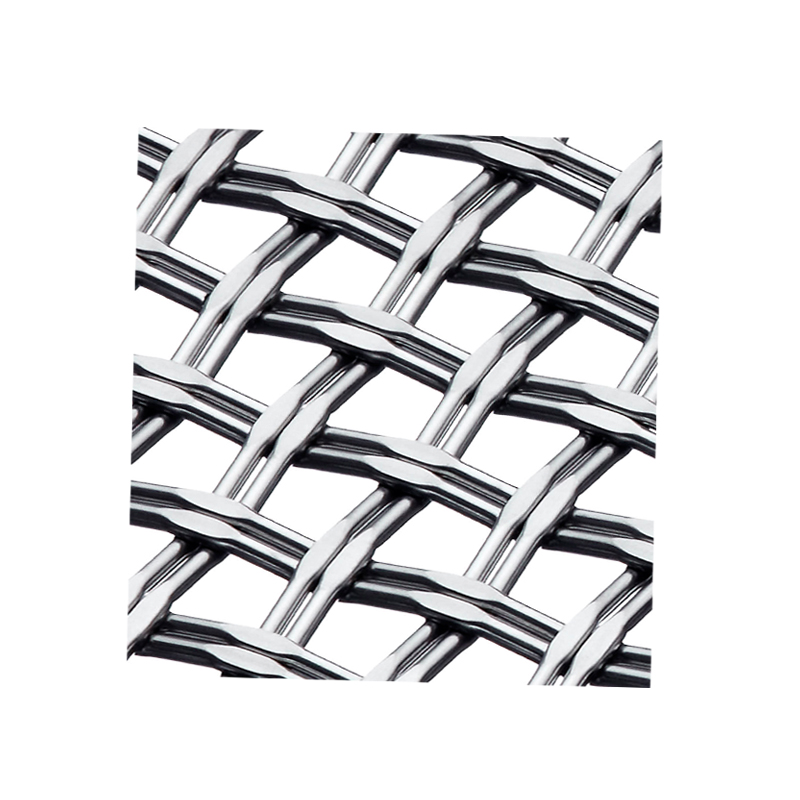
3. Why Combine Perforated Corner Beads with Corner Mesh?
For applications requiring additional corner strength and crack resistance, perforated corner beads can be used together with corner mesh.
The two products complement each other to create a more comprehensive reinforcement system: the corner bead provides structural support along the edge, while the corner mesh improves the bonding and reinforcement of the plaster layer.
Key benefits include:
1. Improved Impact Resistance
The corner bead is installed along the external wall corner, providing a relatively rigid supporting structure.
When furniture, tools, or other objects accidentally hit the corner, the bead helps distribute localized impact forces and reduces the risk of direct damage to the plaster layer.
2. Better Plaster Bonding
Perforated corner beads and corner mesh feature openings that allow plaster and mortar to pass through their structures.
During installation, these materials penetrate the holes and mesh openings, creating a mechanical interlocking connection with the surrounding plaster. This helps improve installation stability and reduce the risk of local separation.
3. Reduced Risk of Corner Cracking
Wall corners are often affected by temperature changes, minor structural movement, and external impact.
Corner mesh helps distribute localized stress across a wider plastered area, reducing the likelihood of cracks developing around reinforced corners.
4. Improved Corner Alignment and Finish
Corner beads also serve as positioning and leveling guides during installation. They help workers maintain straight edges and consistent corner angles, resulting in a cleaner and more professional finish.
For stair edges, hallway corners, and public areas exposed to frequent contact, combining perforated corner beads with corner mesh provides more comprehensive edge reinforcement.
4. Installation and Application of Perforated Corner Beads with Corner Mesh
Perforated corner beads and corner mesh are generally embedded into plaster or gypsum layers during installation. Proper installation helps improve overall stability and long-term performance.
1. Surface Preparation
Before installation, remove dust, grease, loose particles, and other contaminants from the wall corner or stair edge.
For smooth concrete surfaces, additional surface preparation may be necessary to improve the bonding performance of the installation materials.
2. Positioning and Fixing
Measure and cut the corner bead and corner mesh according to the wall height or stair dimensions.
Apply an appropriate amount of bonding material along the external corner. Position the reinforcement product and adjust its edge to ensure proper alignment with the wall corner.
3. Applying the Plaster Layer
Spread plaster or joint compound evenly over both sides of the corner bead and mesh.
Ensure that the material fills the perforations and mesh openings completely. The mesh wings and corner bead should be properly embedded in the plaster layer without exposed sections.
4. Surface Finishing and Curing
After fixing and covering the reinforcement products, level the surrounding surface to create a straight edge and smooth transition.
Allow the plaster or bonding material to dry and cure according to the construction requirements before proceeding with additional decorative work.
For frequently used areas such as stair edges, particular attention should be paid to substrate strength, installation alignment, and edge fixing to ensure reliable performance.
5. Choose the Right Perforated Corner Bead Manufacturer
Although perforated corner beads are auxiliary building materials, their hole design, sheet thickness, edge structure, and dimensional accuracy can all influence the final installation results.
When selecting perforated corner beads, buyers should pay attention to several important factors:
Material Quality: Choose suitable metal or PVC materials according to the indoor or outdoor application environment.
Thickness: Select an appropriate material thickness based on the expected impact and installation conditions.
Hole Design: Proper hole shapes and distribution help improve mechanical bonding with plaster and mortar.
Dimensional Accuracy: Wing width, product length, and corner angle should meet the actual installation requirements.
Surface Quality: For metal products, pay attention to surface treatment quality and corrosion resistance.
Yihangyuan specializes in metal wire mesh and related building reinforcement products, offering customized manufacturing options according to different application requirements.
Whether you need perforated corner beads for wall corner reinforcement, stair edge protection, or corner mesh for plastering projects, we can help you find suitable product specifications based on your construction needs.
Looking for reliable perforated corner beads or matching corner mesh? Contact Yihangyuan to discuss your requirements and explore customized product solutions.